 PalV's Kasti
On this page
Mutton bafat is a sour Parsi curry in which the meat simmers with potatoes in a paste of dry Kashmiri chillies and whole spices ground in vinegar, cooked with tomatoes and a knob of jaggery. Parsis have cooked bafat (also written bufaat) with mutton, chicken, fish and prawns. Author Perzen Patel describes it as close to vindaloo in flavour but more sour than spicy. Cookbook writer Niloufer Mavalvala traces the dish to the Parsis' Konkani-speaking friends on India's south-western coast. In 2017 Man's World India listed it among the Parsi dishes Mumbai's eateries did not serve.
શહેરેવર રોજ
Shehrevar Roj, Tir Mah · 1396 Y.Z.
What is bafat in Parsi cooking?
Bafat is a slow-cooked curry built on a vinegar masala. In Perzen Patel's recipe the chillies, cumin, cinnamon, cloves, cardamom and peppercorns are ground with vinegar into one paste, which is then fried and becomes the gravy. Potatoes cook in the pot with the meat, and the jaggery goes in with the tomatoes.
It was never a one-meat dish. Writing in Parsi Times in 2016, columnist Dara M Khodaiji remembered bafat as a popular dish of meat, chicken, fish and even prawns. The recipe in the Gujarati cookbook Vividh Vani, as translated by Rita Jamshed Kapadia on ParsiCuisine.com, lists mutton, chicken, lamb or pork for the same masala.
Where does bafat come from?
Bafat came to the Parsi kitchen from the Konkan coast. In The Route to Parsi Cooking, Niloufer Mavalvala writes that the Parsis adopted it from their Konkani-speaking "Anglo" friends of Goa, Kerala and Mangalore. She adds that it was once a traditional Christmas brunch dish there, and a Christmas Eve feast for some families, made with pork, beef or chicken and a ready-made masala powder.
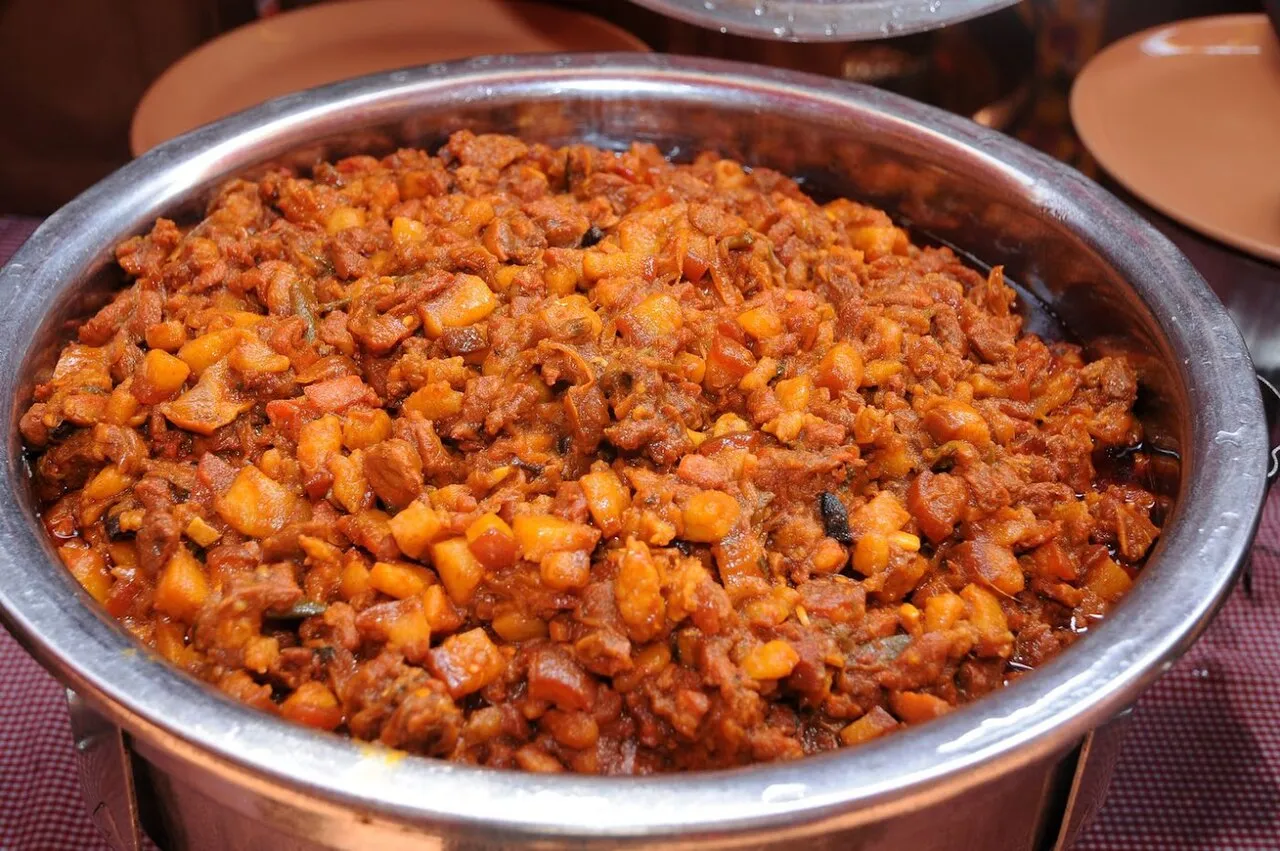
Mangalorean cooks use such a powder too. In a 2021 piece for GOYA on the Mangalorean Catholic kitchen, food writer Ruth Dsouza Prabhu mentions Mangalorean bafat powder, mixed with salt and vinegar, as a quick substitute for a home-ground chilli paste. On Mavalvala's account, then, bafat is a coastal Indian dish that Parsis took up, not one they brought from Iran.
Is bafat the same as vindaloo?
No, although the two are close relatives. Both lean on vinegar and dry red chillies. FEZANA's 2012 cookbook Eat, Live, Pray notes that vindaloo takes its name from the Portuguese vindalho, meaning with wine vinegar and garlic. Perzen Patel of The Bawi Bride told Man's World India in 2017 that chicken bafat shares vindaloo's flavour profile but is more sour than spicy.
Perzen's bafat also cooks potatoes, tomatoes and jaggery into the gravy. Bafat is only one of the Parsi gravies, and our page on Parsi curry masala covers another.
How is Parsi bafat cooked?
This method follows Perzen Patel's chicken bafat recipe, published in Arnesh Ghose's article "The Best-Kept Parsi Food Secrets" in Man's World India (20 March 2017). Her recipe is written for chicken, so the quantities below are for chicken. The notes after the steps explain what changes with mutton.
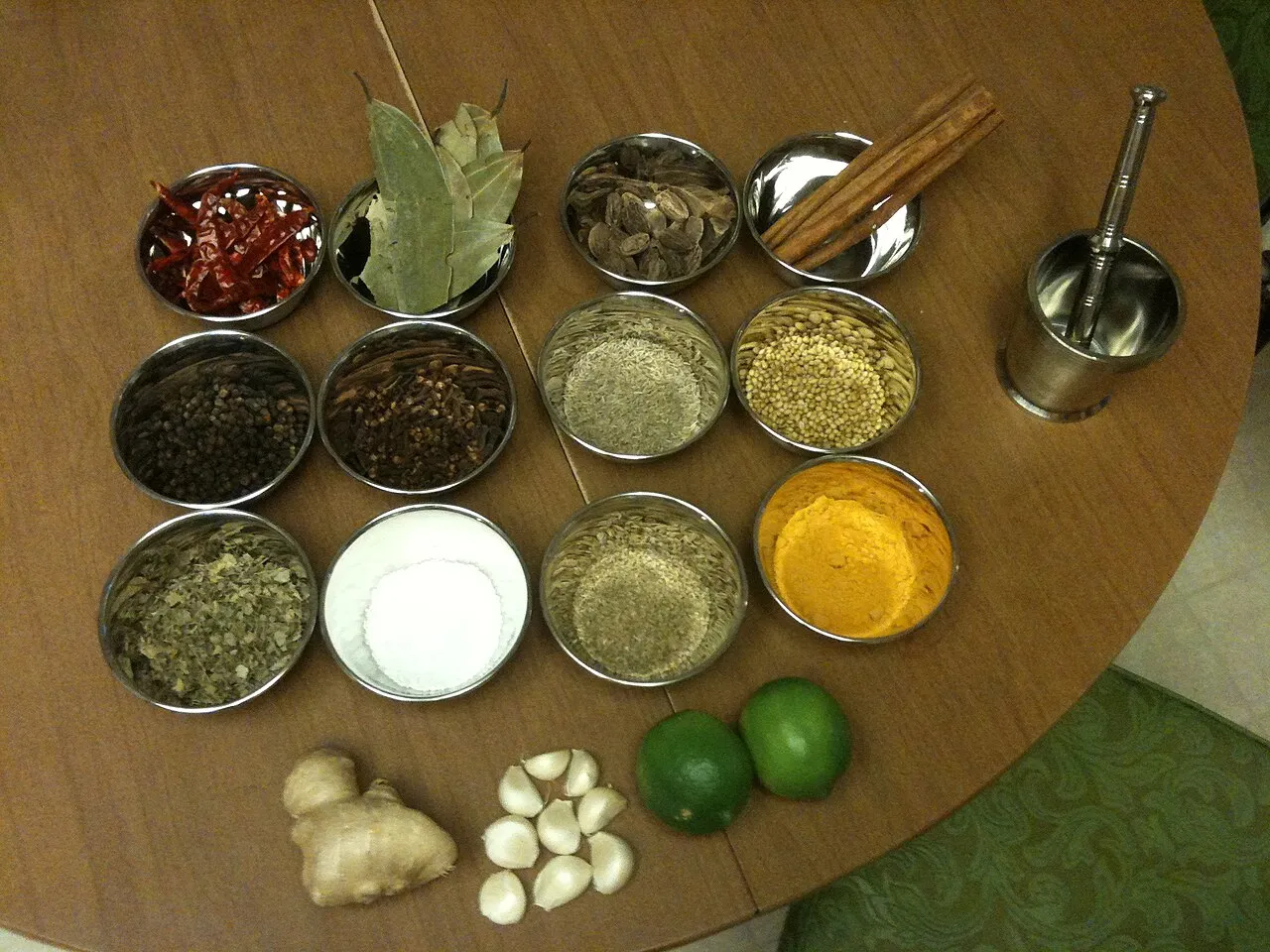
Ingredients
- Chicken: 1 kg boneless thighs
- Ginger-garlic paste: 2 tbsp
- Salt, to taste
- Potatoes: 6 medium
- Onions: 2, chopped fine
- Tomatoes: 4, chopped
- Jaggery: a 2-inch piece
- Ghee: 4 tbsp
- Vinegar: 75 to 100 ml
- For the spice paste: 15 dry Kashmiri red chillies, 2 tsp cumin seeds, 2 tsp black peppercorns, 6 green cardamoms, 6 cloves and a 1½-inch stick of cinnamon
Method
- Rub the chicken with salt and the ginger-garlic paste and keep it aside.
- Grind the chillies, cumin, cinnamon, cloves, cardamom and peppercorns with the vinegar into a paste.
- Warm half the ghee and fry the onions until they turn light brown.
- Put in the chicken and potatoes and cook them until they are about three-quarters done.
- Fry the vinegar spice paste in the remaining ghee.
- Stir in the tomatoes, jaggery and salt and let them cook on a low flame for a minute or two.
- Return the chicken and potatoes with most of their cooking liquid, mix well and simmer for about 10 minutes, until the gravy reduces and thickens.
Making it with mutton
Kapadia's translation of the Vividh Vani bafat uses the same pot for mutton, chicken, lamb or pork and says only that chicken gets done faster while mutton takes longer, so give mutton more time at step 4 until it is tender. That recipe also adds carrots, shredded coconut and green chillies, and calls for Kolah vinegar, though she uses apple cider vinegar herself. For more dishes in this family, see our collection of Parsi recipes.
Why is bafat rarely cooked now, and what does "bafat karyu" mean?
Bafat has slipped out of everyday cooking. In 2017 Man's World India picked chicken bafat as one of six slow-cooked Parsi dishes that Mumbai's eateries did not serve. Dara Khodaiji's 2016 Parsi Times column put it more bluntly: the word bafat now survives mostly in the phrase "bafat karyu", said when someone commits a faux pas.
Frequently asked questions
What is bafat?
Bafat is a sour Parsi curry of meat, chicken, fish or prawns cooked in a paste of dry red chillies and whole spices ground in vinegar. Perzen Patel's version adds potatoes, tomatoes and jaggery. Niloufer Mavalvala writes that Parsis adopted the dish from Konkani-speaking friends on India's south-western coast, where it was a Christmas dish.
Is bafat the same as vindaloo?
Bafat and vindaloo are related but not the same dish. Both use vinegar and dry red chillies. Perzen Patel says chicken bafat has a similar flavour profile to vindaloo but is more sour than spicy, and her own recipe also cooks potatoes, tomatoes and a piece of jaggery into the gravy along with the meat.
Where does bafat masala come from?
Bafat masala comes from the Konkan coast. Niloufer Mavalvala links bufaat to Konkani-speaking cooks of Goa, Kerala and Mangalore, who made it with a ready masala powder. Writing for GOYA in 2021, Ruth Dsouza Prabhu described mixing Mangalorean bafat powder with salt and vinegar as a quick paste.
What does "bafat karyu" mean?
"Bafat karyu" is a phrase Parsis use when someone makes a faux pas. Parsi Times columnist Dara M Khodaiji wrote in 2016 that this phrase is now the main place the word bafat survives, even though bafat was once a popular dish of meat, chicken, fish and prawns.
Can bafat be made with mutton instead of chicken?
Yes. The Vividh Vani bafat, as translated by Rita Jamshed Kapadia, lists mutton, chicken, lamb or pork with the same masala. She notes that chicken cooks faster and mutton takes longer, so allow the mutton extra time until it is tender before the gravy is reduced.


