 PalV's Kasti
On this page
- Is falooda Parsi or Iranian?
- Why do Parsis drink falooda on Navroz?
- What is falooda made of?
- How do you make Navroz falooda at home? (Niloufer Ichaporia King's rec…
- How do you add falooda noodles or "pearls"?
- How was falooda starch made in Iran for Nowruz?
- Where can you drink falooda outside a Parsi home?
- Frequently asked questions
To make falooda for Navroz, soak basil seeds in water until they swell, spoon them into tall glasses, fill the glasses with chilled milk, then pour rose syrup in last so it sinks into a pink band. Finish with a little vanilla ice cream. Other recipes add a layer of soft wheat-starch noodles or cornflour "pearls". This method follows Niloufer Ichaporia King's recipe in My Bombay Kitchen (2007), where she writes that falooda is meant to be eaten on 21 March, Navroz, the old Persian New Year's Day. Below we cover what goes in the glass, the full recipe for six, how to add the noodles, and where the drink comes from.
શહેરેવર રોજ
Shehrevar Roj, Tir Mah · 1396 Y.Z.
Is falooda Parsi or Iranian?
Both, in a sense. The Parsi falooda is a Bombay take on the Persian faloodeh. A 2025 Homegrown feature on Parsi desserts calls it a Parsi interpretation of the Persian original. Parsi food writer Perzen Patel goes further: she writes that people often assume falooda is Indian, when it started in Persia centuries ago and reached South Asia with Persian merchants and rulers.
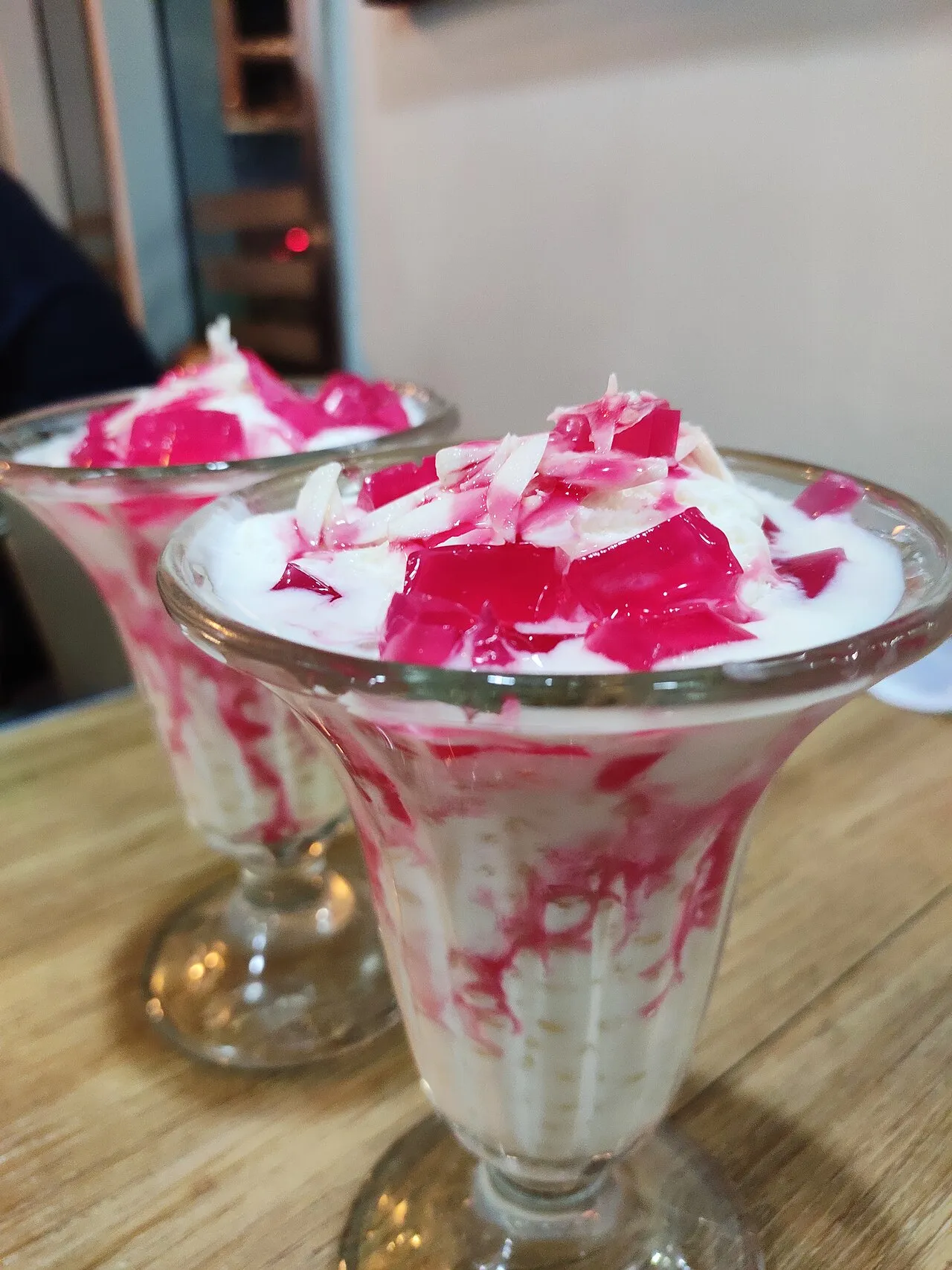
The name now covers three quite different dishes. Niloufer Ichaporia King separates them neatly:
- Iran: faludeh is a frozen dessert of wheat-starch noodles in a scented syrup.
- North India: falooda means kulfi served with wheat-starch noodles.
- Bombay: falooda is a tall, layered glass she describes as "milk-shakey", built on soaked basil seeds, translucent noodles, milk and rose syrup, with ice cream on top.
The Navroz falooda Parsi families make at home is the Bombay kind.
Why do Parsis drink falooda on Navroz?
King ties falooda to 21 March, Navroz. The Parzor Foundation, in a 2015 note on Parsi foodways, describes falooda as served at Navroze in a spirit of goodwill and sweetness. Perzen Patel writes that making a small half-glass of falooda for guests who visit her haft-seen table at Navroz is a family tradition.
In Freny Bharda's home it has a set point in the day. In a 2017 Goya feature, she explains that her family drinks falooda after coming home from prayers at the temple, to cool down after the afternoon sun. That year she was also making a batch for the residents of her building as Navroz came round.
Falooda is one sweet among several on the day. For the full spread, see our guide to Parsi New Year food.
Practice varies between families and Agiaries; your family priest's guidance comes first.
What is falooda made of?
A Navroz falooda needs five things, plus one optional layer:
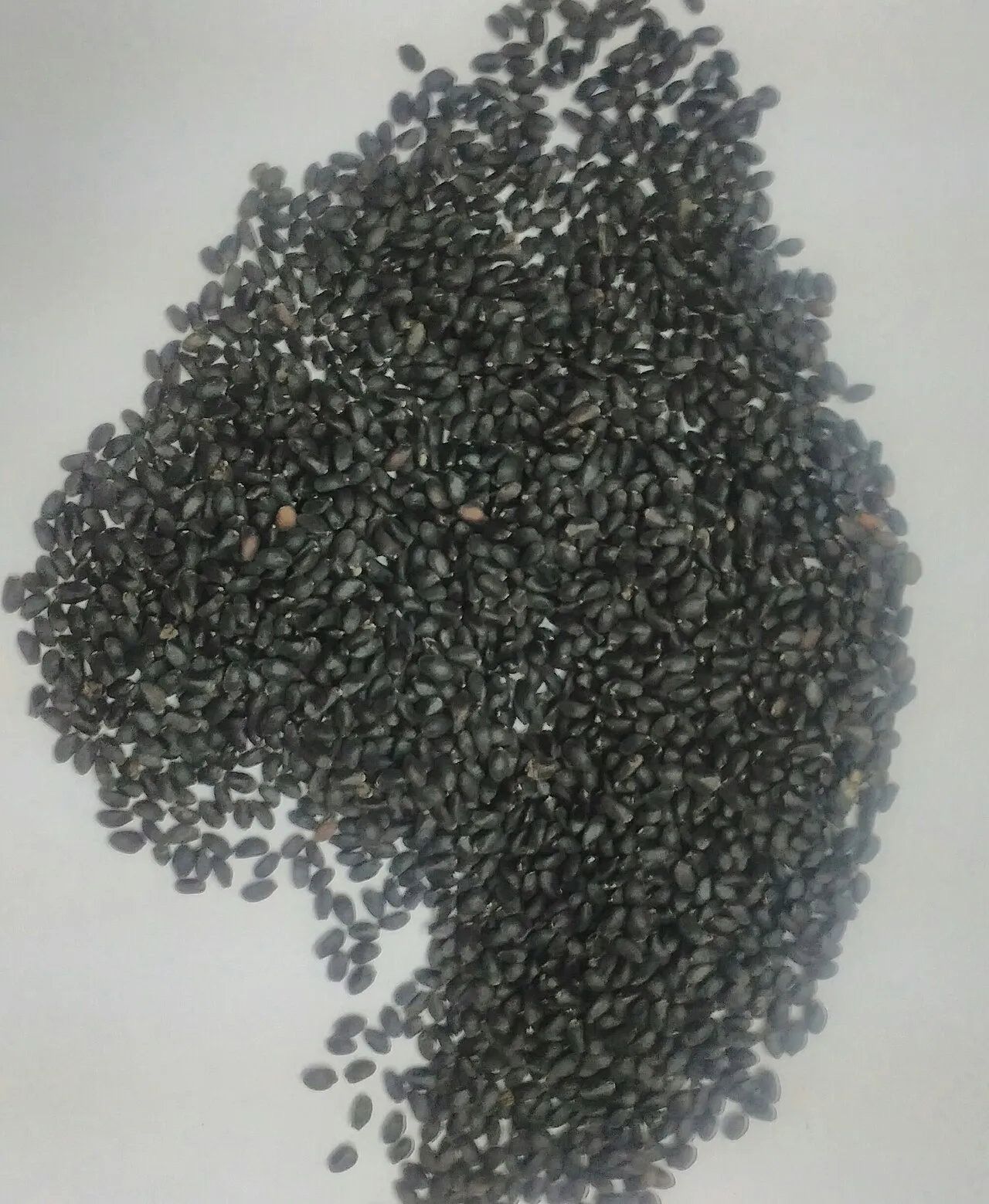
- Basil seeds. King calls them tukhmuriya ni biya. Goya's recipe calls them sabja, and FEZANA's cookbook takmaria. Dishoom says chia seeds work as a stand-in.
- Chilled milk. King allows whole milk or half-and-half.
- Rose syrup. King prefers Middle Eastern brands for a truer rose taste. Freny Bharda uses Mala's or Kissan.
- Vanilla ice cream, or ice milk, which King notes is what restaurants use.
- Falooda noodles (optional at home): thin strands of wheat, rice or arrowroot starch, according to FEZANA's 2012 cookbook.
A buying tip from King: pick Southeast Asian basil seeds, because the Indian ones she has bought were often sandy.
How do you make Navroz falooda at home? (Niloufer Ichaporia King's recipe)
This is King's New Year's falooda from My Bombay Kitchen, rewritten in our words. It serves six and needs no cooking.
Ingredients
- 1 tablespoon basil seeds
- 2 cups water, or a little more
- About 3 cups chilled whole milk or half-and-half
- About ½ cup rose syrup
- About ½ cup vanilla ice cream or ice milk
Method
- Put the basil seeds in the water and leave them for one to three hours, until they have swollen.
- Spoon the soaked seeds into the glasses. Around 2 teaspoons is enough for a small glass, and a tall glass can take 1 to 2 tablespoons.
- Fill each glass with cold milk, stopping about an inch below the rim.
- Add the rose syrup now, 2 teaspoons to 2 tablespoons a glass depending on the glass and how sweet you like it. It drops through the milk and settles as a pink band.
- Top every glass with a little ice cream and serve.
Keep to that order. King warns that if the syrup goes in before the milk, the two blend and you lose the banded look.
One thing to know: King's text describes a noodle layer sitting on the basil seeds, but her ingredient list for this recipe does not include noodles. If you want them, add them as below.
How do you add falooda noodles or "pearls"?
Cooks in our sources handle the starch layer in three ways.
Ready-made noodles. Dishoom's Navroz falooda boils white falooda noodles as the packet says (usually two to three minutes), until a spoon can cut them, then rests them in cold water for ten minutes before draining. Its version swaps ice cream for chopped malai kulfi and ends with crushed pistachios.
Single-glass version. In the FEZANA cookbook Eat, Live, Pray, Debbie Daruvalla-Riccio (UK) makes one glass with 1 cup cold milk, 2 tablespoons rose syrup, ½ teaspoon basil seeds and 2 tablespoons falooda noodles, with a scoop of vanilla ice cream. She boils the soaked seeds until soft, and says saffron can replace rose syrup.
Cornflour pearls. Freny Bharda cooks 4 tablespoons of cornflour in a cup of water until lumpy, then presses it through a sieve over a pan of ice so it drops as small white pearls. The pearls wait in cold water until the glasses are built.
How was falooda starch made in Iran for Nowruz?
Before packets, the starch took weeks. Mobed Mehraban Firouzgary, writing in the FEZANA cookbook, says falooda is a favourite Iranian delicacy that sits on the Haft Seen table, and that its preparation for Nowruz began at the start of winter.
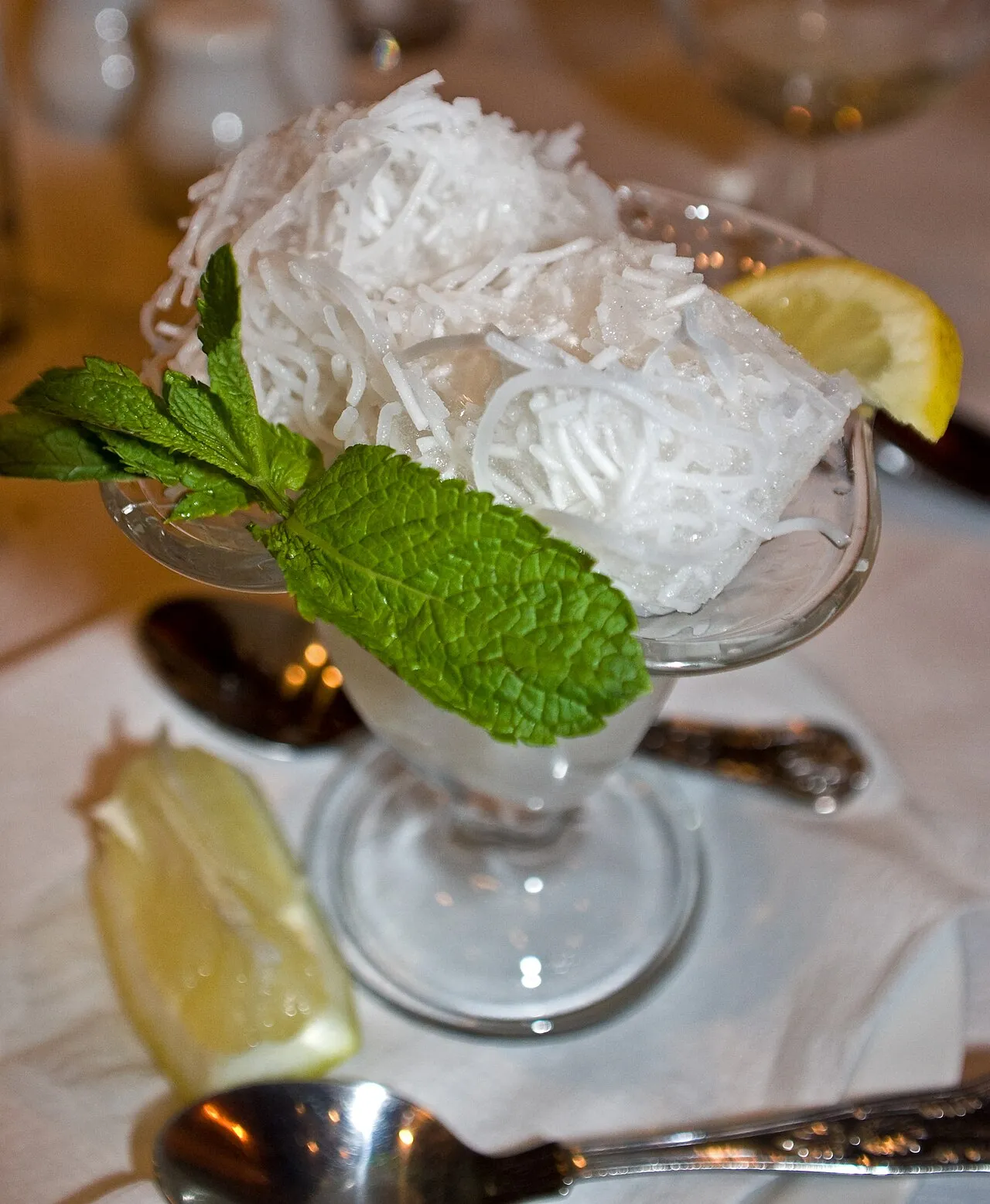
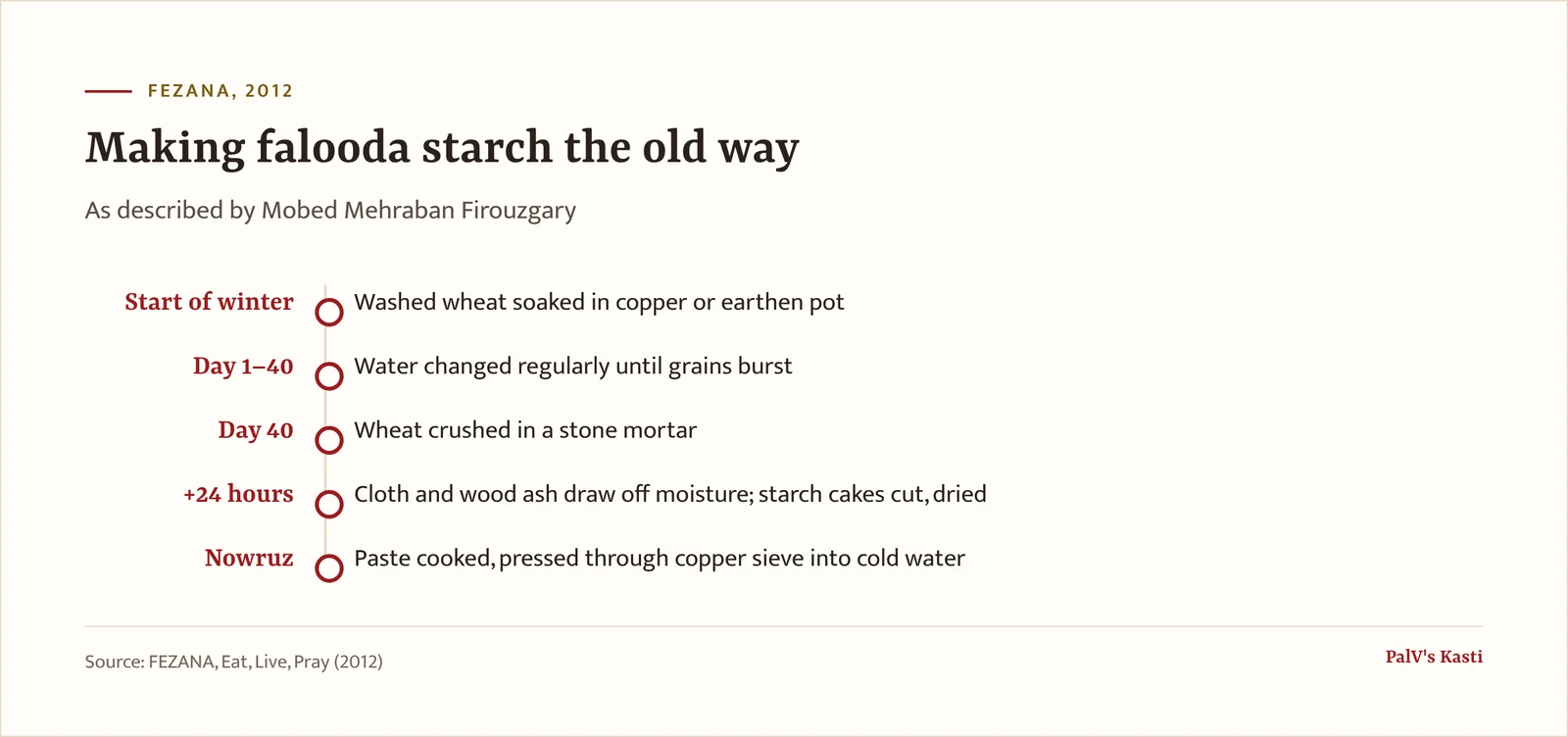
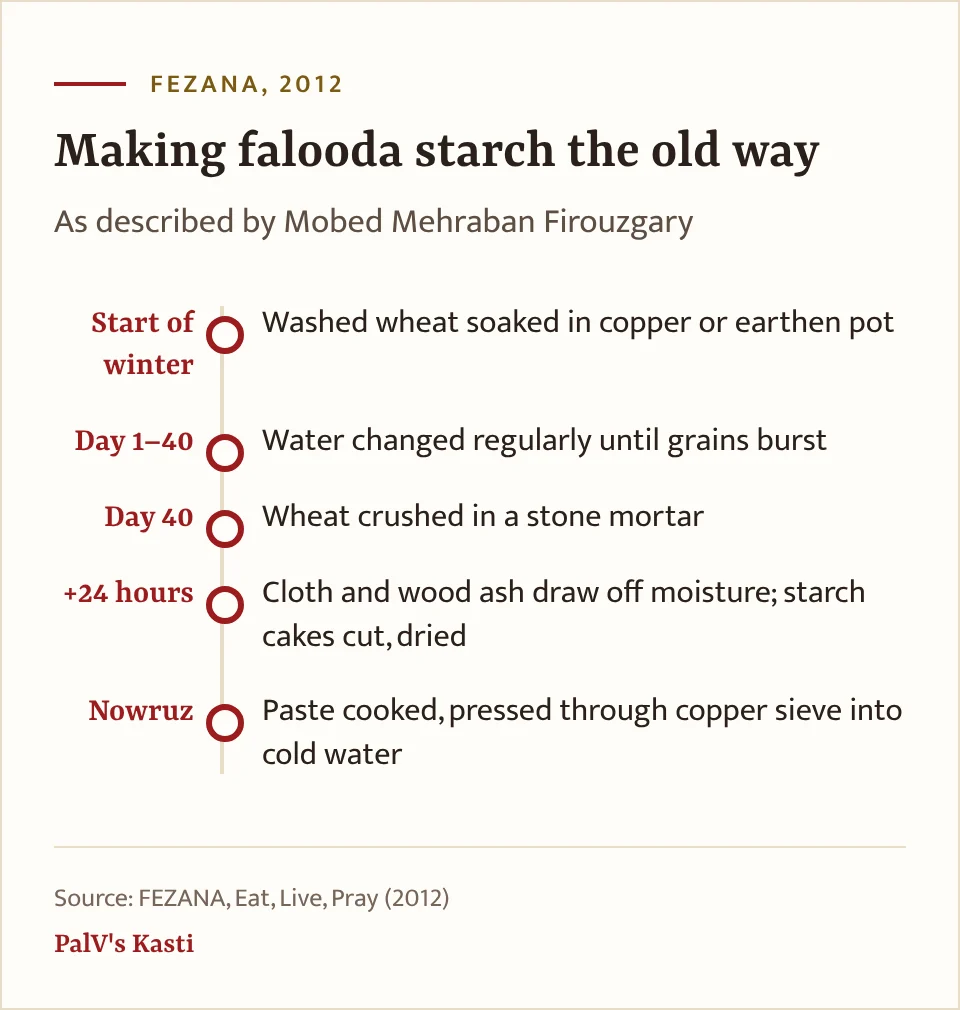
He describes the process this way. Washed wheat was soaked in a large copper or earthen pot kept somewhere cold, with the water changed regularly for 40 days until the grains burst. The wheat was crushed in a stone mortar and the liquid spread under a cotton cloth topped with sifted wood ash, which drew off the moisture in 24 hours and left white cakes of starch. These were cut, air-dried, later stirred into boiling water as a thin paste, and pushed through a copper sieve into cold water, where they fell as pearl-like drops.
The rest of the Iranian table, and what each item stands for, is in our piece on Nowruz foods and symbolism.
Where can you drink falooda outside a Parsi home?
King's answer is Bombay's Irani-run restaurants, which she calls the best places for it. Dishoom, the restaurant group, has published its own kulfi version and calls it an Irani café take on the knickerbocker glory. To plan the rest of the day's cooking, our Parsi New Year recipes walk through the menu dish by dish, and our Parsi New Year (Navroz) guide explains the festival itself.
Frequently asked questions
Is falooda Parsi or Iranian?
Falooda began in Persia, and the Parsi version is a Bombay adaptation of Persian faloodeh. In Iran, faludeh is a frozen dessert of starch noodles in syrup. The Bombay Parsi falooda is a tall layered drink of basil seeds, noodles, chilled milk and rose syrup, often finished with a scoop of vanilla ice cream.
What is falooda made of?
A Parsi falooda is made of soaked basil seeds (tukhmuriya, sabja or takmaria), chilled milk, rose syrup and vanilla ice cream. Many cooks add thin noodles of wheat, rice or arrowroot starch, or cornflour pearls pressed through a sieve into iced water. Some versions use kulfi instead of ice cream, or saffron instead of rose syrup.
Why do Parsis drink falooda on Navroz?
Niloufer Ichaporia King writes that falooda is meant to be eaten on 21 March, Navroz, the old Persian New Year. The Parzor Foundation describes it as served at Navroze in a spirit of goodwill and sweetness. Freny Bharda told Goya that her family drinks it after coming home from prayers at the temple, to cool down.
Why does the rose syrup go in after the milk?
When rose syrup is poured in after the milk, it sinks through the glass and settles as a separate pink band. Niloufer Ichaporia King warns that adding the syrup first and the milk on top mixes the two together, so the neat banded look she describes in her New Year's falooda is lost.
Can I use chia seeds instead of basil seeds in falooda?
Yes. Dishoom's falooda recipe for Navroz suggests chia seeds as a substitute for basil seeds. Niloufer Ichaporia King's recipe uses basil seeds, which she calls tukhmuriya ni biya. If you buy basil seeds, she recommends Southeast Asian packs, as she found the Indian ones were often sandy.


