 PalV's Kasti
On this page
The meanings of the main Parsi wedding customs were written down by priests and scholars, and on most of them the writers agree. J.J. Modi (1922) calls the mango twig planted at the door a wish for fertility. Dosabhai Framji Karaka (1884), Modi and Ervad Dr Ramiyar Karanjia (2019) all read the cloth held between the couple as their separation, and its removal as their union. Karaka and Modi explain the cotton thread wound round the pair seven times as a bond too strong to break, and Modi and Karanjia say rice stands for plenty and prosperity. Where Zoroastrianism marriage customs are explained differently, for instance why the ceremony is held after sunset or what the rice race decides, we give each explanation and name who offers it, including Noshir Dadrawala (2023).
અસપંદામેદ રોજ
Asfandarmad Roj, Tir Mah · 1396 Y.Z.
Which Zoroastrianism marriage customs are religious, and which are cultural?
The priests themselves draw this line. Ervad Ramiyar Karanjia calls the Ashirwad, the blessing prayers recited by two priests, "the main religious part of the marriage ritual". Noshir Dadrawala, writing in Parsi Times in 2023, describes the pre-wedding ceremonies as "more cultural rather than religious", a prelude to the main event. So most of the customs below are family customs with a meaning attached, while the Ashirwad is the rite itself. Our post on the Parsi wedding Ashirwad covers its prayers, and the wider set of community practices is in our guide to Parsi customs.
Why is a Parsi wedding held after sunset?
The writers we read offer three different explanations.

- A promise at Sanjan. Karaka wrote in 1884 that the evening hour follows Hindu custom and also a promise the first Parsi settlers gave the Rana of Sanjan. Dadrawala (2023) repeats that it is done in deference to a condition laid down by Jadi Rana, then adds that "whether the Rana really laid down this condition is debatable".
- Day meeting night. Modi, in a footnote to his 1922 book, suggests with a "perhaps" that the hour is chosen because day and night unite at sunset, as the couple should unite in good times and bad.
- The geh. Karanjia ties the timing to the prayer watches: the ceremony is generally held after sunset, as the Aiwisruthrem geh begins.
Dadrawala writes that many now choose a morning ceremony, and Karanjia mentions families who have it done in the morning and then again in the evening.
Practice varies between families and Agiaries; your family priest's guidance comes first.
What do the pre-wedding customs signify?
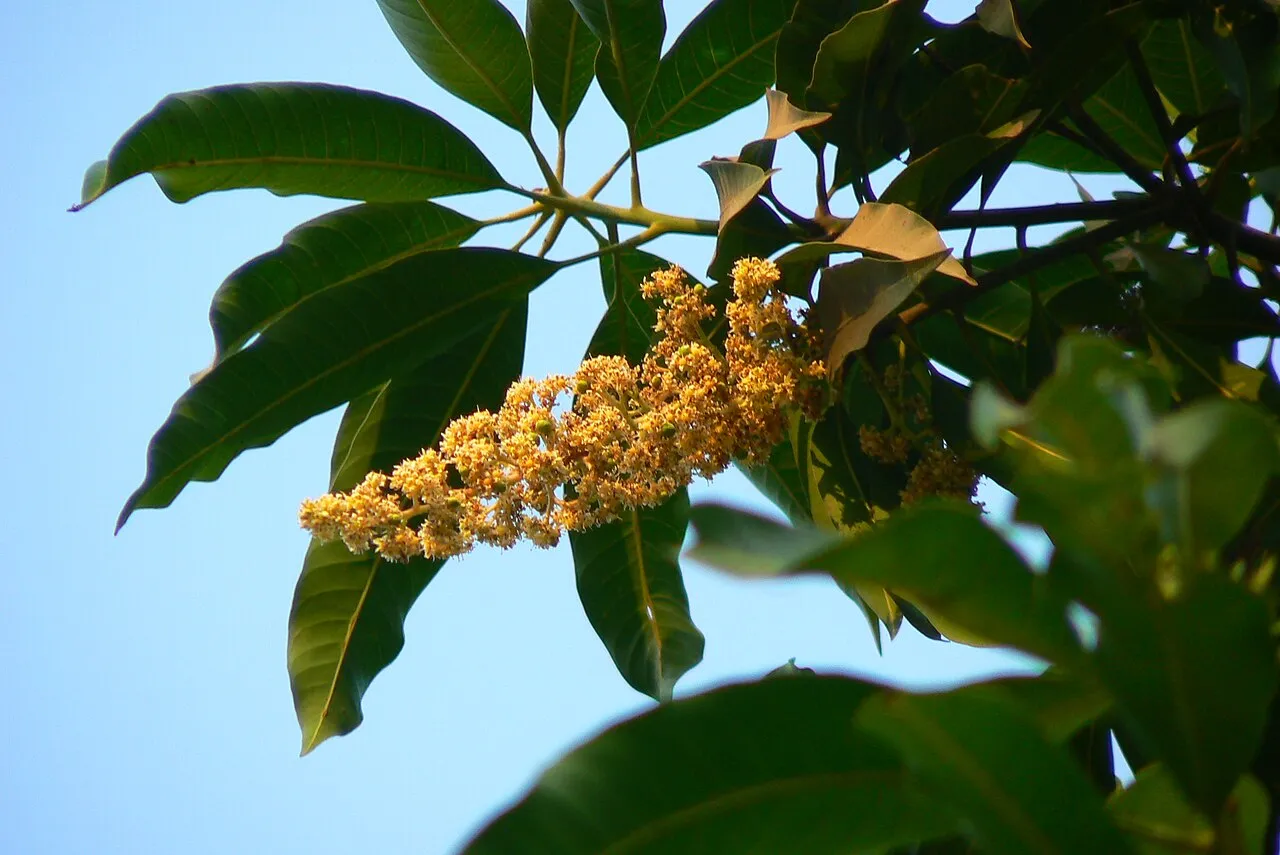
Madav saro: planting the mango twig
Modi and Karanjia both record that on the first of the four days of festivities a twig, usually of a mango tree, is planted near the door, in a pot or the garden. Modi calls it "symbolic of a wish for fertility". Karanjia reads it two ways: a new "tree" in the family, and the beginning (saro) of building the mandav, the pandal where wedding guests were received. Dadrawala calls the mango a symbol of fertility and long life. He notes that some think the custom was adopted in India because the mango is an Indian fruit, and adds that Iranian Zoroastrians have a long-standing custom of planting a pomegranate, pine or cypress on auspicious occasions.
Dadrawala also gives a meaning for each thing mixed into the soil: silver coins for wealth and prosperity, paan for love, supari for fertility, haldi for good health and kharak (dry dates) for preserved sweetness. These meanings come from his article alone.
Varadh-patra: inviting the departed
Modi records the second and third days as "Varadh-patra days" with ceremonies in honour of the dead. Karanjia explains the meaning: the departed are symbolically invited to the wedding and their blessings sought, and a Baj is also offered to Ram Yazad, who presides over marriage and joy. A 2012 article on Frashogard, the site of Ervad Marzban Hathiram, describes a day before the marriage set aside for prayers for the departed, with the Varadh nu Stum seeking the blessings of Mino Ram. The sweet offered that day is described in our post on Parsi wedding food customs.
Practice varies between families and Agiaries; your family priest's guidance comes first.
What do the customs at the wedding stage signify?
The order of events on the day is set out in our post on Parsi wedding day ceremonies.
Achhu michhu, the egg and the rice on the forehead
Karanjia writes that before the groom steps onto the stage, the bride's mother or another senior lady of her family performs achhu michhu, and an elder lady of the groom's family does the same for the bride. He says it is "supposed to ward off evil eye and negative energies". Modi describes the older form at the threshold: an egg passed three times round the groom's head and broken, so that any evil destined for him "may pass off to the egg and be destroyed with it", then a coconut passed round and broken in the same way. Rice is stuck on the fresh kunkun mark and thrown over his head because, in Modi's words, "rice is considered to be the symbol of plenty and prosperity".
Ara antar: the cloth between the couple
The couple sit facing each other with a white cloth held between them. Three writers agree on the meaning. Karaka says the cloth and its removal show that the two were separated until the ceremony and "are so no longer". Modi says the same, and adds that sitting opposite and then side by side carries the same idea. Karanjia calls the cloth symbolic of the separation before marriage, and its removal symbolic of their union.
Why seven rounds of thread?
The priests wind raw cotton thread round the couple seven times while reciting the Yatha Ahu Vairyo. Karaka (1884) explains the image. A single raw thread breaks easily, but wound seven times and twined into one it forms a band that ordinary strength cannot break, and so should the couple's love. Modi gives the same reading, that the tie binding the couple should not easily break.
On the number seven, Karaka says it is "held to be very auspicious among the Parsis", citing the seven Ameshaspands, seven heavens and seven continents known to the ancient Persians. Dadrawala links seven to the Haft Ameshaspenta and also to the Hindu idea of saat janam no saath, togetherness for seven births.
Who throws the rice first?
When the last round of thread is done, the bride and groom throw rice at each other, and the guests watch to see who is quicker. Two readings of the result are on record.
- Modi (1922) calls it "a race of love": whoever throws first "will be the foremost in loving and respecting the other". Karanjia records a popular belief that it is a game of love, won by whoever throws first.
- Dadrawala (2023) reports the folklore reading: the first to throw will be "the more assertive or dominating partner" in the marriage. A 2016 Parsi Times report says the same in lighter words.
Rice, coconut, pomegranate and rose petals in the Ashirwad
During the Ashirwad the two priests shower a mix over the couple. Karanjia gives each item a meaning: coconut for usefulness to each other and to society, rice for plenty and prosperity, pomegranate for fertility and many children, and rose petals for "fragrance of happiness in married life". The meaning of rice is confirmed by Modi, while the readings for coconut, pomegranate and rose petals are Karanjia's alone.
Why are some blessings said in Sanskrit?
Part of the address to the couple is sometimes repeated in Sanskrit. Karaka (1884) says this follows the settlers' promise to the Rana of Sanjan. Modi (1922) reports the same story, that it was done so the Hindu ruler and his court could follow, but adds: "There is no written authority about the above statement." Karanjia notes that some priests still recite the benedictions in Sanskrit.
Practice varies between families and Agiaries; your family priest's guidance comes first.
What do the customs after the ceremony signify?
The bride's sisters have their own part. Karanjia describes a sister washing the groom's feet and receiving a token of money, and the youngest sister hiding his shoe for a small ransom. He reads the pranks as the sisters accepting their brother-in-law as an elder of the family, with the prankster casting herself as a child to be looked after. Modi, writing a century earlier, recorded the hidden shoe returned for a rupee, and read the washing of feet as "a kind of welcome".
For how these customs fit into the whole celebration, start with our guide to the Parsi wedding.
Frequently asked questions
Why do Parsis throw rice at weddings?
Rice stands for plenty and prosperity, according to both J.J. Modi (1922) and Ervad Ramiyar Karanjia. It is thrown over the groom at the threshold, showered by the priests during the Ashirwad, and thrown by the couple at each other after the thread ceremony. Modi called that last moment a race of love.
Why is the Parsi wedding held after sunset?
Writers give three explanations. Karaka (1884) and Dadrawala (2023) link it to a promise made to the Rana of Sanjan, though Dadrawala calls that debatable. Modi suggests day meeting night mirrors the couple's union. Karanjia ties it to the start of the Aiwisruthrem geh. Dadrawala adds that many couples now choose a morning ceremony.
What does the thread round the couple mean?
The raw cotton thread wound round the couple seven times shows a bond that cannot easily be broken. Karaka and Modi both explain that one thread snaps easily, but seven twined together do not. Karaka links seven to the seven Ameshaspands, heavens and continents of ancient Persian belief.
Why is a mango tree planted before a Parsi wedding?
The madav saro twig is planted at the door at the start of the festivities. Modi called it a wish for fertility, and Dadrawala a sign of fertility and long life. Karanjia says it marks a new "tree" in the family and the start of building the wedding pandal, or mandav.


