PalV's Kasti
On this page
- When does a Parsi wedding start, and how long does it last?
- Can non-Parsis attend a Parsi wedding?
- What will a guest see during the ceremony?
- What should a guest wear to a Parsi wedding?
- What gift should you give at a Parsi wedding?
- What is the Parsi wedding feast like?
- Quick etiquette list for guests
- Frequently asked questions
A guest at a Parsi wedding (lagan) should expect an evening event: the religious ceremony usually begins after sunset and is followed by a large sit-down dinner, traditionally served on banana leaves. Non-Parsi friends are invited too, and a Parsi Times columnist wrote in 2023 that other communities look forward to the feast. The ceremony takes place on a stage, often at a baug, the garden grounds beside an Agiary, and guests watch from their seats while two priests marry the couple. Dress modestly and, if you are a woman likely to go up on the stage, be ready to cover your head. J.J. Modi recorded in 1922 that wedding presents were mostly shawls, rings or cash. Arrive before the ceremony, follow the family's lead and come hungry.
અસપંદામેદ રોજ
Asfandarmad Roj, Tir Mah · 1396 Y.Z.
When does a Parsi wedding start, and how long does it last?
Ervad Dr Ramiyar Karanjia, a Parsi priest and scholar, wrote in 2019 that the wedding ceremony generally starts in the evening, after sunset, when the Aiwisruthrem geh begins. Noshir H. Dadrawala noted in Parsi Times in January 2023 that many now choose a morning ceremony. Parsi Times also reported in 2016 that most lagans begin at 6:40 pm, so check the time printed on your invitation.
The same 2016 Parsi Times report says the couple exchange rings after about an hour of prayers on the stage. The dinner, music and dancing come after the ceremony, so plan for a long evening. For a step-by-step account of everything the bride and groom go through that day, see our page on Parsi wedding day ceremonies.
Can non-Parsis attend a Parsi wedding?
Yes, as invited guests. Writing in Parsi Times in January 2023, Noshir H. Dadrawala observed that people from other communities look forward to an invitation, chiefly for the wedding food. Goa's O Heraldo newspaper published one such guest's account in January 2015. The writer went to Mumbai for the wedding of two close Parsi friends, held at the Seth Jeejeebhoy Dadabhoy Agiary Baug in Colaba, and wrote mostly about the feast.
An outsider's impressions
The O Heraldo writer described the reception as a sit-down meal at about 30 tables, each seating up to 40 people. The article also notes that guests unfamiliar with Parsi customs are sometimes put out not to find dhansak on the menu. It explains that Parsis generally serve the dish four days after a death, so it is not served at weddings. Our Parsi baug wedding photos show what these venues look like.
We found no published rule on where non-Parsi guests may sit during the ceremony or whether they may photograph it. If you are unsure, ask your hosts.
What will a guest see during the ceremony?
Guests usually sit facing a decorated stage. Parsi Times (2016) says the stage is set at the baug or at the fire temple where the wedding is held. The parts a guest can follow are these:
- The couple are seated face to face, screened from each other by a white cloth, while the priests pray and wind a thread around them seven times. Karaka's History of the Parsis (1884) and J.J. Modi's Religious Ceremonies and Customs of the Parsees (1922) both describe this.
- When the cloth falls, the couple throw rice at each other. Karaka and Modi both record the guests clapping at this point, and Modi says the women in particular urge the bride or the groom to throw first.
- The couple then sit side by side for the Ashirwad, the blessing recited by two priests. Karanjia writes that the priests shower them with rice, coconut, pomegranate seeds and rose petals as they pray.
The words of the blessing are explained on our Parsi wedding Ashirwad page.
Practice varies between families and Agiaries; your family priest's guidance comes first.
What should a guest wear to a Parsi wedding?
We found no published dress code for guests, so smart, modest clothing is a sensible choice. Two sources speak to head covering. Karanjia describes the women standing on the stage during the ceremony with their heads covered and their saris drawn over their heads. Hoshang H. Mandviwalla, in a 2015 guest article on Frashogard, the website of Ervad Marzban Hathiram, takes a stricter traditional view. He writes that hosts and guests should wear decent traditional Zoroastrian dress and keep their heads covered throughout, because the wedding is a spiritual occasion.

Parsi Times (2016), describing the reception, mentions Parsi women in gara saris. A scarf or dupatta in your bag lets you follow whichever custom your hosts keep.
Practice varies between families and Agiaries; your family priest's guidance comes first.
What gift should you give at a Parsi wedding?
Modi recorded in 1922 that friends and relatives gave presents that were mostly shawls, rings or cash. He added that, until a few years before he wrote, small cash gifts were handed to a friend or relative who wrote each giver's name and amount in a book. The family used that record to return the gift at weddings in the givers' families.
Mandviwalla's 2015 article mentions the traditional "Pehramni" cover, which an invitee who cannot attend may send with a short, polite note. We found no published guidance on how much to give. If you are unsure, ask a friend of the family.
What is the Parsi wedding feast like?
In its traditional form the feast is a seated dinner. FEZANA's 2012 cookbook says the meal was customarily served on banana leaves, with the leaf laid only after guests sit down, and that guests folded the ends of the leaf once they had finished, as a sign for the staff to clear it. Parsi Times (2016) also describes guests eating from banana leaves.
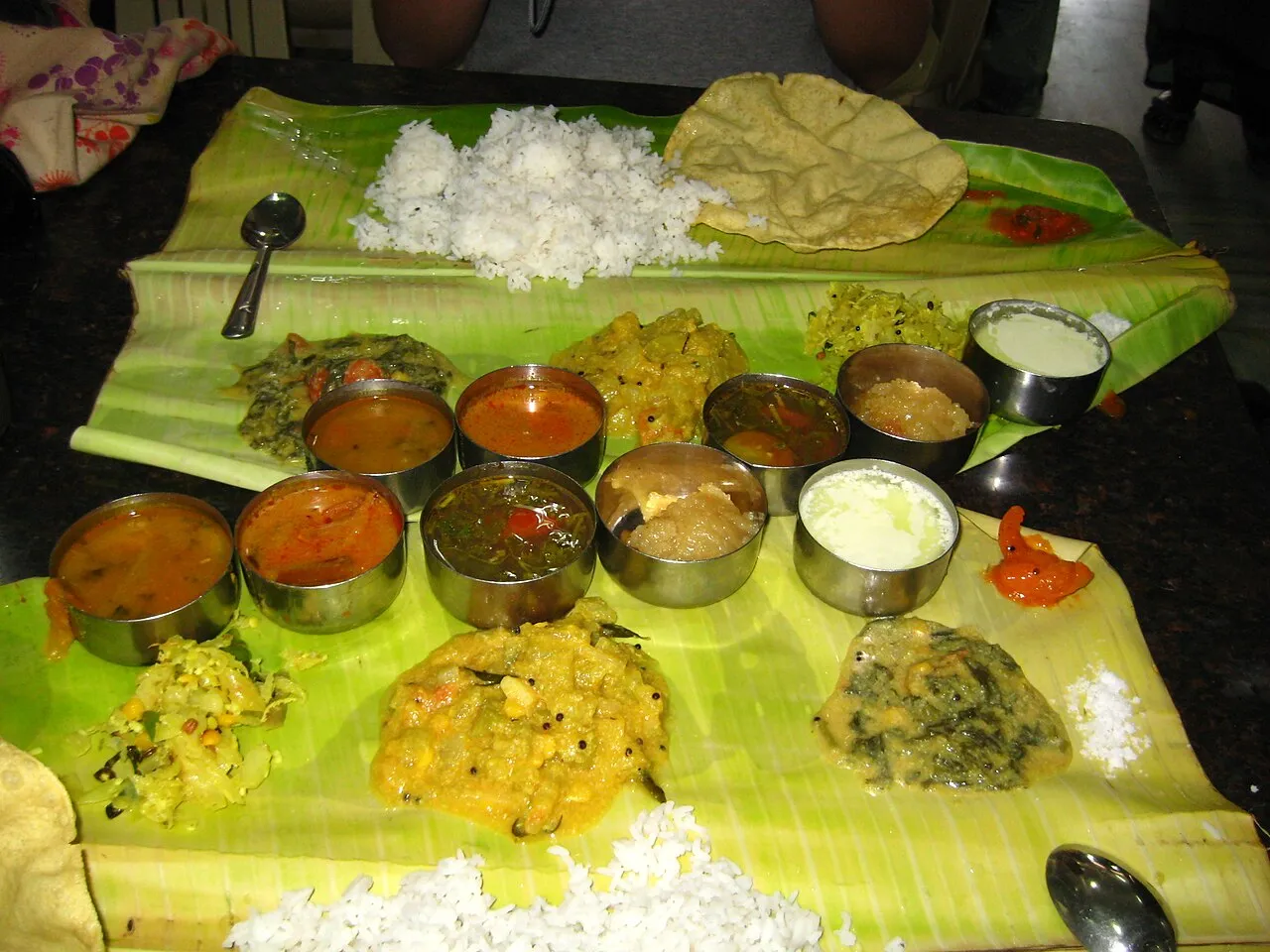
Dadrawala's 2023 article names some of the dishes guests look forward to, among them bharuchi akoori, patra, saas ni macchi, sali murghi and pulao daar, washed down with chilled raspberry or ginger drinks. He adds that music, dancing and cocktails follow once the religious ceremony is over, and Parsi Times (2016) describes drinks, music and laughter at the reception.
Mandviwalla's 2015 article takes a different view, asking families to avoid loud Bollywood and Western music and to play light classical instrumental music instead. As a guest, take your cue from the hosts.
Quick etiquette list for guests
These are practical courtesies rather than customs from any source:
- Arrive before the time on the invitation, so you are seated when the couple come to the stage.
- Stay seated and quiet during the prayers, and join in when the guests clap.
- Ask the family before photographing the ceremony.
- At the dinner, wait to be seated and let the staff serve each course.
For the wider picture of the lagan, from the engagement to the reception, start with our guide to the Parsi wedding.
Frequently asked questions
Can non-Parsis attend a Parsi wedding?
Yes, as invited guests. Noshir Dadrawala wrote in Parsi Times in 2023 that members of other communities look forward to being invited, chiefly for the wedding feast. We found no published rule on where non-Parsi guests sit or whether they may photograph the ceremony, so ask the hosts if you are unsure about either.
What do you gift at a Parsi wedding?
J.J. Modi recorded in 1922 that wedding presents were mostly shawls, rings or cash, and a 2015 Frashogard article mentions the traditional "Pehramni" cover sent by an invitee who cannot attend. We found no published guidance on what or how much to give, so a friend of the family is the best person to ask.
What should I wear to a Parsi wedding?
Wear smart, modest clothes. Ervad Ramiyar Karanjia describes women on the wedding stage with their heads covered, and a 2015 Frashogard article argues that all guests should wear traditional dress and keep their heads covered. Carrying a scarf or dupatta lets a guest follow the hosts' custom without fuss.
How long does a Parsi wedding last?
Expect a full evening. Karanjia says the ceremony usually begins after sunset, and Parsi Times reported in 2016 that most start at 6:40 pm and that rings are exchanged after about an hour of prayers. The dinner, music and dancing follow the ceremony, so allow several hours in all.
Is a Parsi wedding held in a fire temple?
The ceremony is usually held on a stage at a baug or a fire temple, according to Parsi Times (2016). A 2015 O Heraldo account describes baugs as garden grounds attached to an Agiary. Some traditionalists, such as Hoshang Mandviwalla writing on Frashogard in 2015, argue that ceremonies should be performed only inside Agiaries or Atash Behrams.