PalV's Kasti
On this page
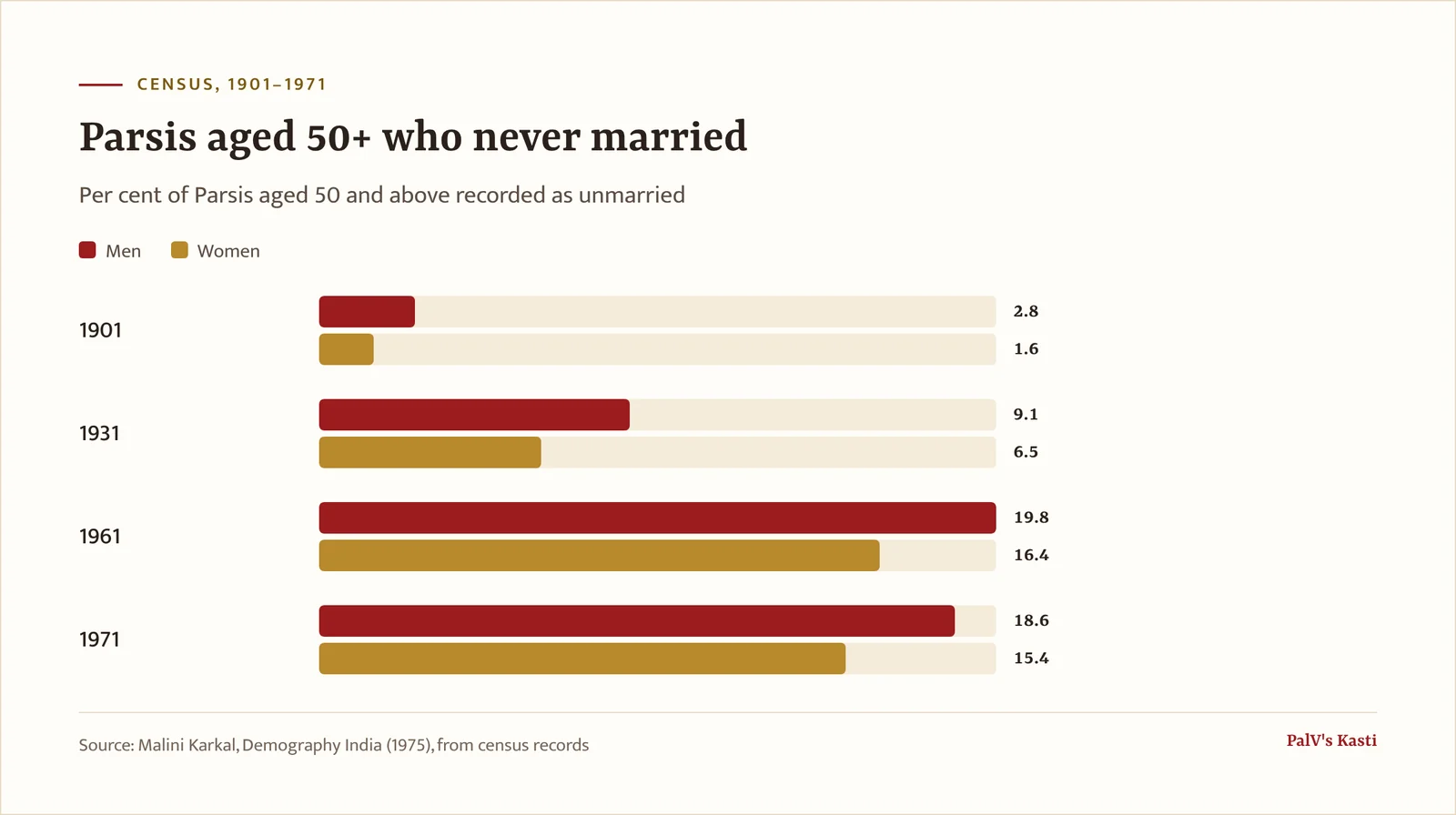
Many Parsis stay unmarried mainly for economic and social reasons, not biological ones. Surveys going back to 1962 keep returning the same answers: men say their income is too low for the life a Parsi family is expected to lead, a home of one's own is hard to find in Mumbai, and a small community makes a suitable partner hard to meet. Women add independence and a reluctance to marry. The scale is unusual. Figures that demographer Malini Karkal calculated from census records show the share of Parsis still unmarried at 50 and above rose from 2.8% of men and 1.6% of women in 1901 to 18.6% and 15.4% in 1971, and a 1999 survey for the Bombay Parsi Punchayet found 30% of Parsi women never married.
અસપંદામેદ રોજ
Asfandarmad Roj, Tir Mah · 1396 Y.Z.
How many Parsis never marry?
The answer depends on which count you use, and the counts do not all measure the same thing. The longest series comes from demographer Malini Karkal, who worked through census marital-status tables in a 1975 paper in Demography India. Among Parsis aged 50 and above, the never-married share was 2.8% of men and 1.6% of women in 1901. It reached 9.1% and 6.5% by 1931, peaked at 19.8% and 16.4% in 1961, and stood at 18.6% and 15.4% in 1971.
Other studies point the same way. Shroff and Castro, writing in Demographic Research in 2011, cite a 1974 figure from Eckehard Kulke that close to 76% of adult Parsis were married in 1881 but only 41% by 1931. They also cite a 1973 survey in which 27% of women aged 31 to 45 had never married, and the 1999 Tata Institute of Social Sciences (TISS) survey for the Bombay Parsi Punchayet (BPP) that found 30% of Parsi women stayed unmarried all their lives.
Recent figures are given as round estimates. A September 2013 Ministry of Minority Affairs report, as summarised in the Canadian Medical Association Journal in 2014, put the share of Parsis who remain single at 30%. In 2023 Shernaz Cama of the Parzor Foundation told ThePrint that around 36% of Parsis never marry.
One caution. A 2015 review by Ranjita Pandey and Neena Yadav gives much lower figures for 1999 when it looks only at people aged 50 to 54: 20.6% of Parsi men and 9.4% of Parsi women never married, against 1.3% and 0.6% for India as a whole. So the "30%" figure for women and the "one in ten" figure come from different age groups and methods. Neither cancels the other, and we have not found a post-2011 survey that settles it.
At what age do Parsis usually marry?
Late, and for well over a century. The BPP's marriage registers, which Karkal analysed, show a median age at marriage of 20.3 for men and 14.1 for women in 1871. Through the 1930s it stayed around 30 for men and between 24 and 25 for women, and Karkal wrote that it had "stabilised at around 30 for males and 25 for females". Her 1971 figures were 29.2 and 24.8.
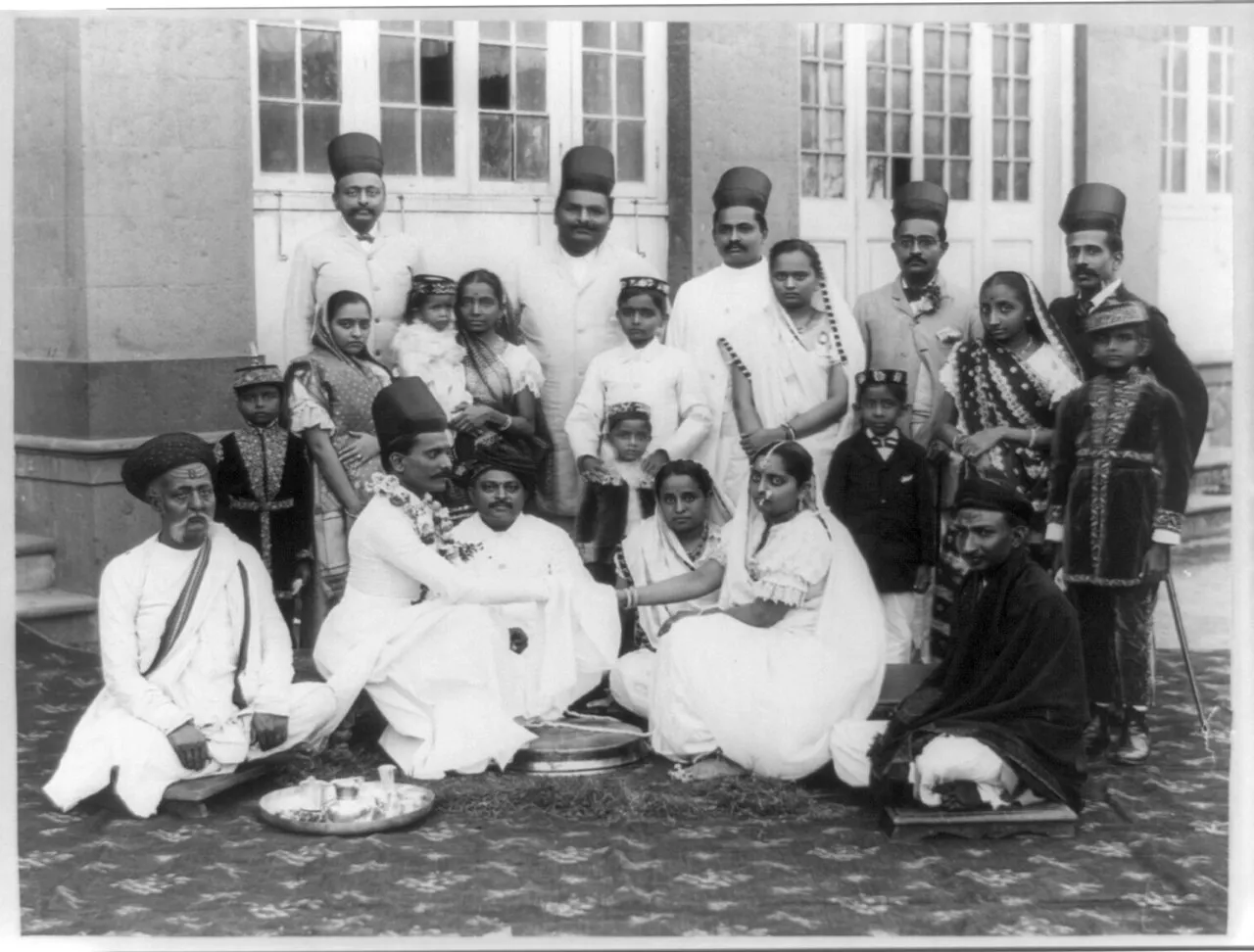
Shroff and Castro trace the same shift through other sources. In 1890 most Parsi women married between 16 and 20. By 1901 about half married after 20, and by the 1940s 25 to 29 was the preferred age. They report an average of 26.5 for women and 31.4 for men in 1962, roughly where it has stayed since.
Later figures barely move. For Greater Mumbai in 1999, Pandey and Yadav give a mean age at marriage of 30.6 for Parsi men and 26.8 for Parsi women, compared with 24.9 and 19.7 across India. The 2013 ministry report quoted in the CMAJ gives 31 for men and 27 for women. Karkal, drawing on the demographer Bogue's comparison of countries, noted that this runs against the wider pattern, in which countries with a high age at marriage were starting to marry earlier.
Why do so many Parsis stay unmarried?
When researchers have asked unmarried Parsis directly, four reasons come up again and again. They overlap, and most people who stay single cite more than one.
Income that feels too low for a Parsi household
A 1962 survey of never-married Bombay Parsis aged 25 and over, reported by Karkal, found that 40% of the men gave low income as their reason. Another 5% named low income and lack of a home together. A 1991 study by P. Cabinetmaker, cited by Shroff and Castro, sampled 1,000 never-married men and 1,000 never-married women: 400 of the men and 150 of the women said low income kept them from marrying.
That sounds odd for one of India's most prosperous communities. Shroff and Castro explain it as income measured against expectations. The low income respondents describe is relative to where they believe Parsis stand in Mumbai society, a standard set when the community was at its economic peak in the late 19th and early 20th centuries. Karkal reached a similar view in 1975: both men and women keep postponing marriage until they reach a certain level of education and income.
Housing in Mumbai
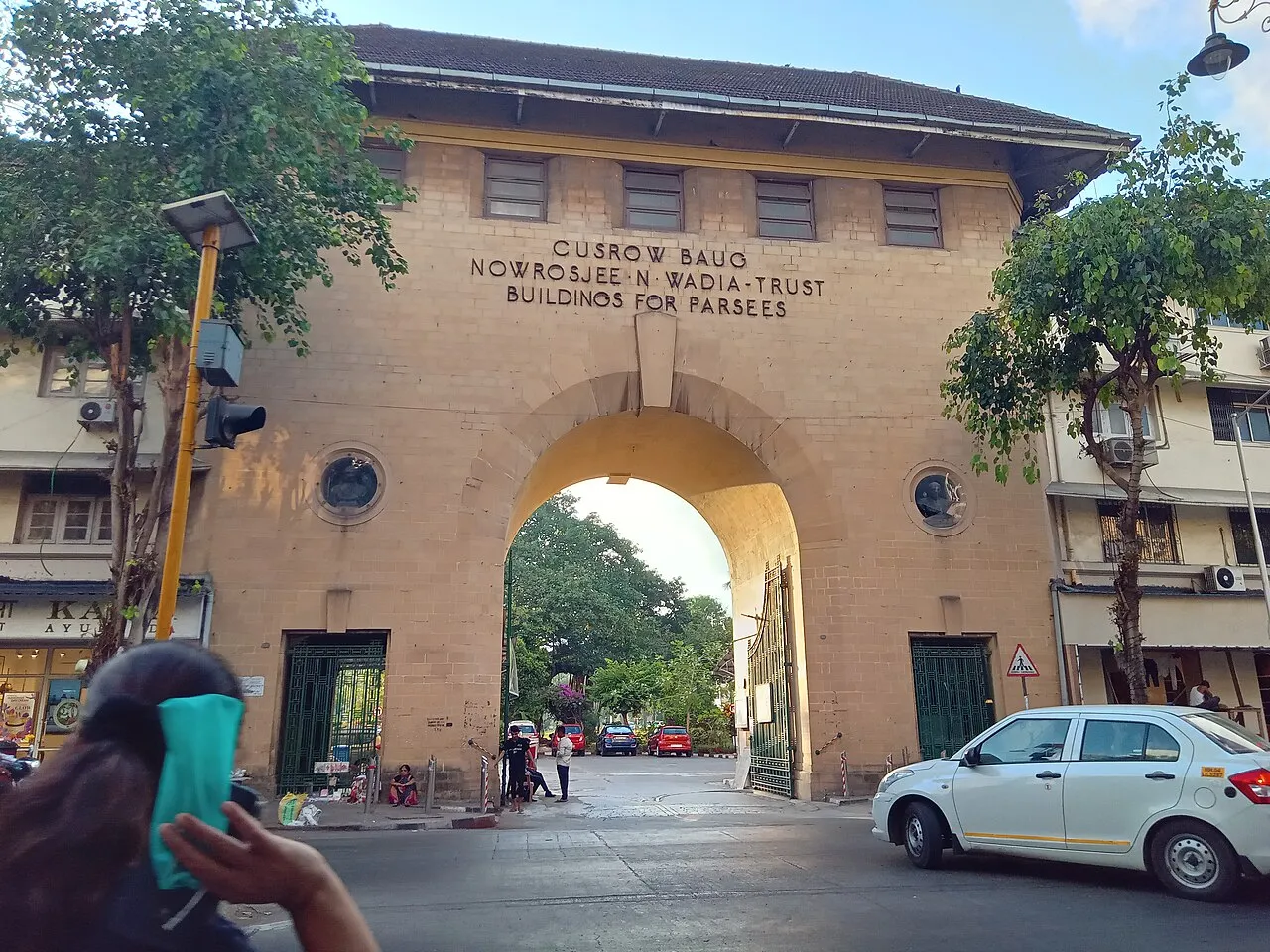
In the 1962 survey, 6.4% of never-married men named lack of accommodation alone. Shroff and Castro describe it as one of the most widely cited reasons, writing in 2011 that flats in south Mumbai, where most Parsis live, were beyond the reach of all but the wealthy. Parsis also tend not to want a joint-family household: in Cabinetmaker's study almost 90% said a couple should have a house of its own. The BPP and many private trusts provide subsidised flats, but Shroff and Castro note that demand almost always exceeds supply. Housing issues, they add, dominate BPP elections.
A small pool of possible partners
Arranged marriages have become far less common. Shroff and Castro cite figures showing 67% of marriages arranged for people born before 1906 and 31% for those born between 1946 and 1950. Choosing your own partner is harder in a small community where young Parsis meet relatively few other Parsis, and that pushes the marriage age up further. In the 1962 survey, 5% of single men said they had not found a partner who suited them.
Viraf Mehta, a BPP trustee and one of the founding members of the youth group ZYNG, told ThePrint in 2023 that he estimates only about 60% of Mumbai's Parsis now live in Parsi-owned buildings, so "the chances of a Parsi meeting a Parsi become quite low". He also said almost half of all Parsi marriages in Mumbai are now interfaith because young Parsis cannot meet eligible Parsis.
Education, work and independence for women
Parsi women took to schooling early. Shroff and Castro note that in 1860, 485 of the 635 girls enrolled in Bombay's schools and colleges were Parsi, when Parsis were under 10% of the city's population. They tie the spread of girls' education after 1870 to the first fall in Parsi fertility and a shift to later marriage, and women's paid work to a wish for smaller families. According to Pandey and Yadav's review of a 2011 study by Patel, women who stay single give reasons including growing independence, a dislike of marriage, men's low incomes and difficulty finding a suitable partner.
What has the community done to help Parsis marry?
The BPP set up a matrimonial bureau in 2010, Open magazine reported in 2014. It organised matrimonial meet-ups in the form of cultural events and parties, and Open reported that only 20 marriages had resulted in four years. Business Standard reported in 2013 that attendance at the monthly meets had fallen from 90 at the start of that year to 36, of whom six were women. Organiser Zarin Havewala told the paper that "girls have high expectations of qualification and income from a partner" and that many who signed up did so because of their parents.
Youth groups that do not focus on matchmaking have done somewhat better. Viraf Mehta told ThePrint in 2023 that ZYNG had held more than 1,700 social events over 12 to 13 years and that about 15 to 20 couples had met there. The government's Jiyo Parsi scheme also took up the issue: according to the CMAJ's 2014 report, young people of marriageable age were to be counselled to marry early, and Open described this advocacy and counselling part of the scheme as the one that caused disquiet in the community. These figures are as reported at the time, and we have not found newer counts for the bureau or the meets.
How does non-marriage affect the Parsi population?
Directly. Karkal concluded in 1975 that the high age at marriage for Parsi women, together with a growing share who never marry, had driven down fertility in the community. Fewer births then meant fewer young people, which in turn reduced the number of marriages. Dinyar Patel, then a researcher of Parsi history at Harvard, made the same point to Open in 2014, calling non-marriage and late marriage "the really significant reasons" for the decline and quoting demographer Ketayun Gould, who wrote that the community's proportion of singles "might be one of the highest in the world". For the census totals behind that decline, see our page on the Parsi population in India.
Frequently asked questions
What percentage of Parsis never marry?
Estimates range from about one in ten to over one in three, depending on the age group and method. A 1999 TISS survey for the Bombay Parsi Punchayet found 30% of Parsi women never married. A 2013 ministry report put singles at 30%, and Shernaz Cama told ThePrint in 2023 that around 36% never marry.
At what age do Parsis marry?
Parsis have married late for over a century. Bombay Parsi Punchayet registers analysed in 1975 showed the median age had settled around 30 for men and 25 for women. A 1999 Mumbai figure was a mean of 30.6 for men and 26.8 for women, against 24.9 and 19.7 for India overall.
Why don't Parsi men marry?
Low income is the reason men give most often. In a 1962 Bombay survey, 40% of never-married Parsi men aged 25 and over said so, and others named lack of a home or no suitable partner. Researchers note the income is low relative to the lifestyle Parsis expect, not in absolute terms.
Is housing a reason Parsis don't marry?
Yes. It was named in a 1962 survey and later studies. A 2011 paper described south Mumbai flats, where most Parsis live, as beyond all but the wealthy. In one 1991 study almost 90% of Parsis said a married couple should have a house of its own. Community trusts offer subsidised flats, but demand for them almost always exceeds supply.
Does the Bombay Parsi Punchayet run a matrimonial bureau?
The BPP set up a matrimonial bureau in 2010, according to Open magazine, which reported in 2014 that 20 marriages had resulted in four years. Business Standard reported in 2013 that attendance at its monthly meets had fallen to 36. We have not found a current report on whether it still operates.