PalV's Kasti
On this page
Parsi prize medals are the medals, cash prizes and scholarships that Parsi donors paid for at schools, colleges, madressas and physical culture clubs, so that a pupil or competitor could win them each year. Most rested on an endowment: the donor gave a fixed sum, and only the interest was spent, usually on a prize carrying the donor's name or the name of someone they wished to remember. D.F. Karaka's History of the Parsis (1884) records such gifts from Bai Dhanbaiji, widow of Dhanjibhai Nasarvanji Kama, from Framji Nasarvanji Patel, Dadabhai Naoroji and Sir Cowasji Jehangir, and from several groups of relatives and friends. The medals photographed on the cover of Parsiana's 7–20 October 2020 issue carry the portraits of patrons such as Sir Jamsetjee Jejeebhoy, Shapoorjee Bengalee and Sir Pherozeshah Mehta.
Prize funds were one small corner of a much larger giving culture. For the wider picture of how the community's endowments are set up and held, read our guide to Parsi charitable trusts.
શહેરેવર રોજ
Shehrevar Roj, Tir Mah · 1396 Y.Z.
What is a Parsi prize medal?
A prize is won. A student, scholar or sportsperson earns it by coming first in an examination, an essay contest or a race. A medal of honour is different: a government or public body presents it to a person for what they have already done. Parsis show up on both sides of that line, so it helps to keep the two apart.
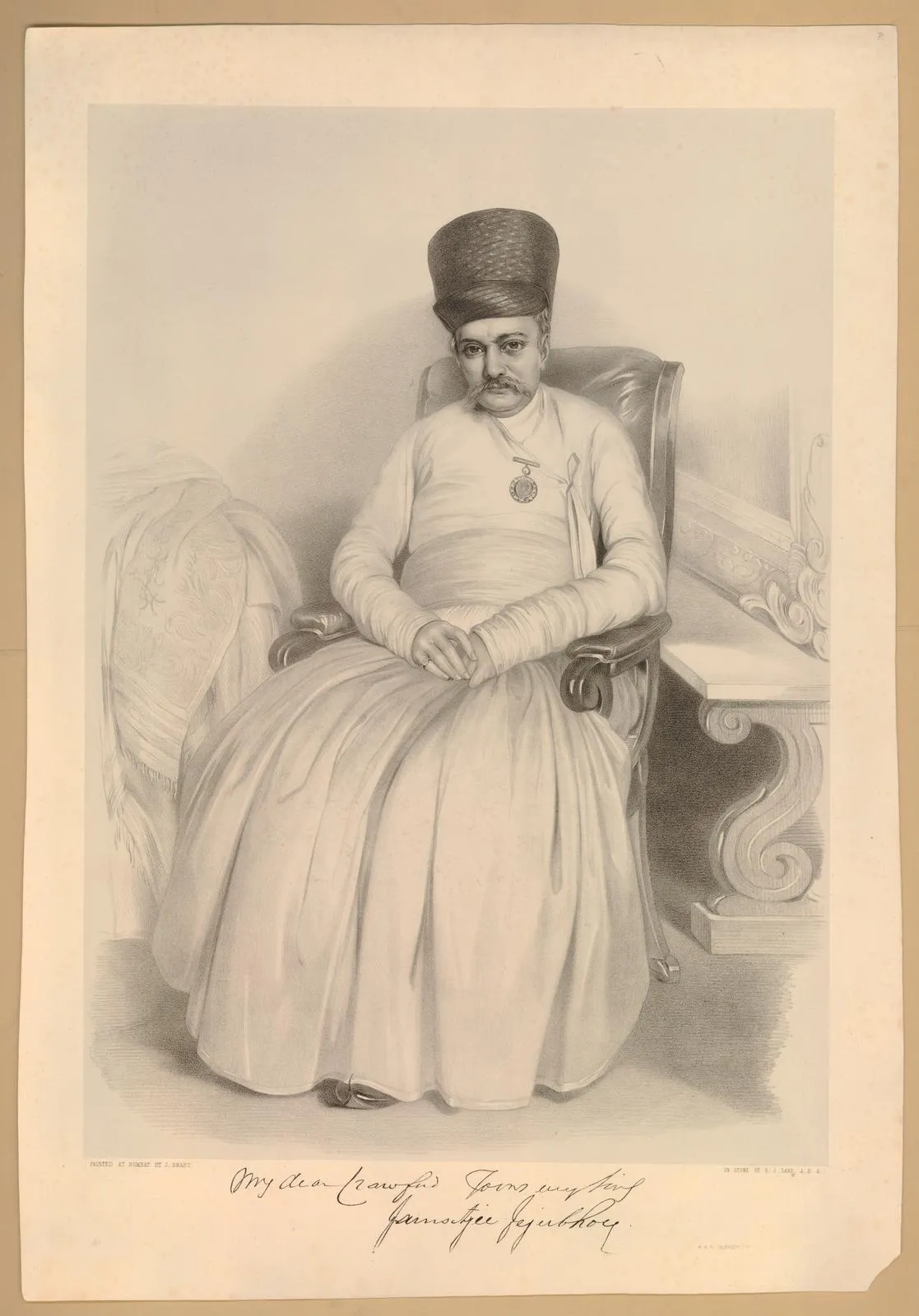
Karaka describes a clear medal of honour. In 1843, he writes, the British Government sent Sir Jamshedji Jijibhai (Jamsetjee Jejeebhoy) a medal with the Queen's image ringed in diamonds on its face, and a reverse inscription honouring his "munificence" and "patriotism". Sir George Arthur, then Governor of Bombay, presented it to him before members of the Government and his friends. Nobody competed for it. It was an honour, not a prize.
A prize medal works the other way round. The patron provides the money and the name, and a school or committee chooses a winner every year.
How did a Parsi prize endowment work?
Karaka's fullest example is the Parsi Girls' School Association in Bombay. Writing in 1884, he says its schools attracted many permanent endowments from Parsi men and women who wanted to encourage girls to keep studying. Each endowment was a capital sum, and the Committee applied the interest or income each year to a named prize or a monthly scholarship. These are the eleven endowments he lists, in his own figures:
| Endowment | Given by | What it paid for |
|---|---|---|
| Rs 12,000 | Relatives of Bai Avabai, late wife of Kharshedji Rastamji Kama, a Committee member | A Rs 10 monthly scholarship for a student of the highest class, plus salaries of one or more women teachers |
| Rs 10,000 | Bai Dhanbaiji, in memory of her husband Dhanjibhai Nasarvanji Kama | A yearly Rs 100 prize for the girl judged best qualified to teach Parsi girls |
| Rs 5,600 | Framji Nasarvanji Patel, the Association's President | The Framji Nasarvanji Scholarship, Rs 7 a month, for general knowledge, Zoroastrian religion, morality and domestic economy |
| Rs 2,240 | An unnamed Parsi lady | Two scholarships of Rs 4 a month, and a Rs 16 prize for the girl next in rank |
| Rs 2,100 | Students and former students of the Elphinstone Institution and College | The Mountstuart Elphinstone Scholarship, Rs 7 a month |
| Rs 1,500 | Dadabhai Naoroji, in memory of his mother Bai Manakbai | The Manakbai Scholarship, Rs 5 a month, for Zoroastrian religion, morality and history |
| Rs 1,500 | The Managing Committee | The Naorozji Fardunji Scholarship, Rs 5 a month, marking his seven years as honorary secretary |
| Rs 1,500 | Relatives and friends of the late Edalji Darasha Sethna | Three yearly prizes of Rs 20 |
| Rs 1,000 | Sir Cowasji Jehangir | The Temple Prize, Rs 45 a year, in memory of Governor Sir Richard Temple |
| Rs 1,000 | The Lady Frere Testimonial Committee of Native Ladies | The Lady Frere Prize, for one or two of the best pupils |
| Rs 1,000 | The sons of the late Kavasji Dhanjibhai Paovalla, in memory of their mother | Teaching the principles and morality of the Zoroastrian religion |
Two things stand out in Karaka's list. Nearly every gift was named in memory or honour of someone: a husband, a wife, a mother, a governor, a long-serving secretary. And three of the eleven tied their money to the Zoroastrian religion, either as an examination subject or as teaching.
Who endowed Parsi prizes and scholarships?
Outside the girls' schools, Karaka names other patrons who attached their money to competitions and study:
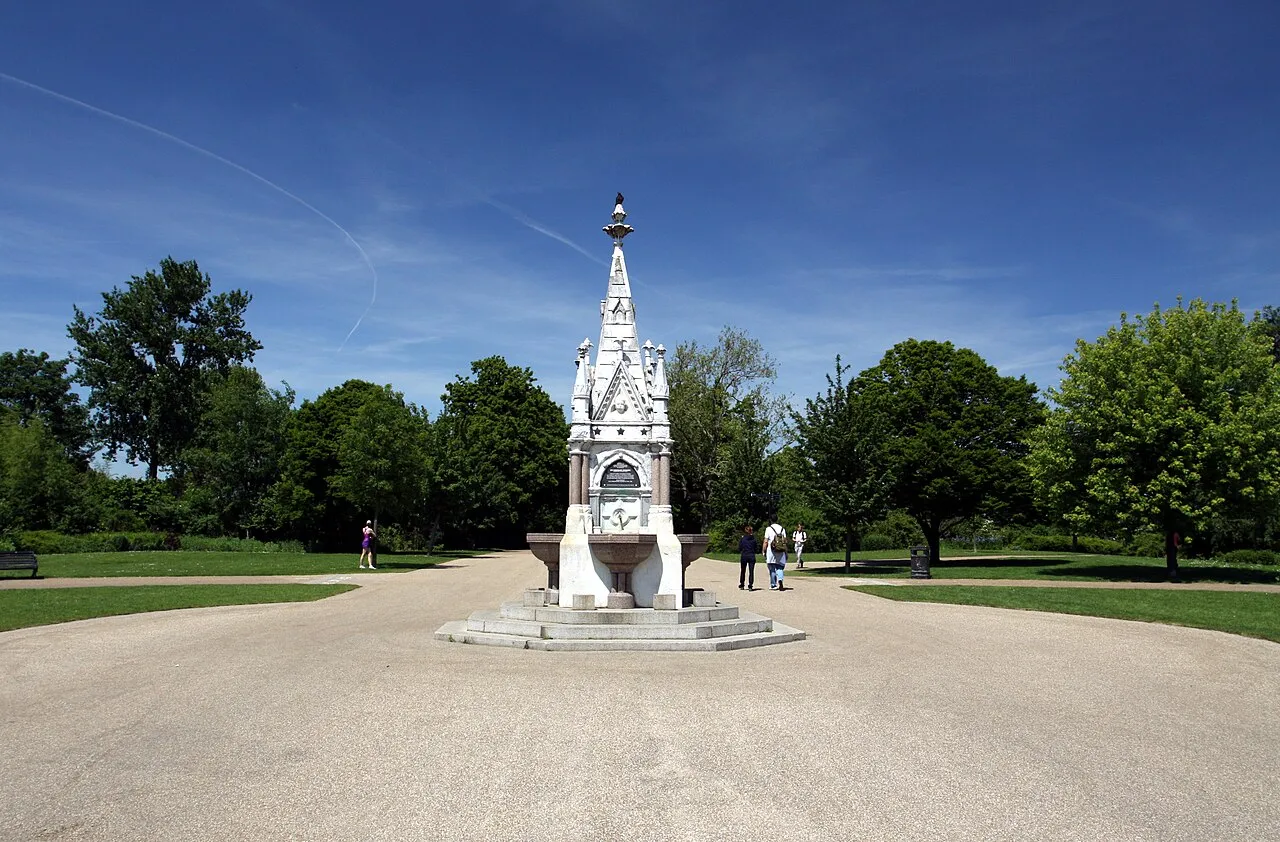
- Kharshedji Fardunji gave the Sir Jamshedji Jijibhai Zend and Pehlevi Madressa Rs 55,000, and a further Rs 30,000 to found scholarships there.
- The trustees of the Sir Jamshedji Jijibhai Translation Fund offered Rs 500 (£50) for an essay on the origin and history of the Zend-Avesta. Three candidates entered. Sorabji Shapurji Bengali's essay won.
- Kharshedji Kama of Bombay put up a Rs 800 prize. Ervad Kavasji Edalji Kanga, headmaster of the Mulla Firoz Madressa, began his Gujarati translation of the Vendidad as an essay for it.
- Sir Cowasji Jehangir Readymoney, besides the Temple Prize, founded scholarships linked to the educational institutions he gave to. Karaka calls them "well known".
Karaka also records that several Avesta and Pahlavi scholars of his day had won gold medals and fellowships for Oriental languages during their Madressa years. By the 1880s, then, medals were already one of the ways Parsi religious learning was rewarded.
Sorabji Shapurji Bengali sat on both sides of the prize table. He won the Translation Fund essay prize, and Karaka calls him a "staunch friend of female education". In 1884 Bengali, a member of the Association's Managing Committee, was building a two-storey schoolhouse for its Fort school at his own cost, named after his mother, Bai Bhikhaiji Shapurji Bengali. A portrait medal inscribed "Shapoorjee Bengalee C.I.E." appears on the Parsiana cover described below.
What do surviving Parsi medals look like?
Parsiana filled the whole cover of its 7–20 October 2020 issue with photographs of Parsi medals. These are the legends we could read on that cover:
- A portrait medal inscribed "Jamsetjee Jejeebhoy Bart" and dated 1857, beside a Grant Medical College medal bearing a coat of arms.
- A portrait medal of "Shapoorjee Bengalee C.I.E.", and a large girls' school medal with a Gujarati legend, dated 1893.
- A "Sir J.J. School, Bilimora" medal, shown next to a small piece engraved "Dhunjibhoy Jinabhoy, Zand Prize, Y.Z. 1323".
- A portrait medal of "Sir Pherozeshah M. Mehta K.C.S.I." and a "Sir P.M. Mehta Medal" of the V.J. Technical Institute.
- Sport: a Zoroastrian Physical Culture and Health League medal dated 1920, a Behman Physical Culture Home portrait medal, a 1927 medal for a 220-yard swimming race, pieces showing boxing bouts, and a medal inscribed "Victoria Swimming Bath".
- A portrait medal of a boy, "Sett Cursetjee M.C. Jamsetjee Jejeebhoy", giving his birth on 11 November 1878 and his death on 28 July 1893.
- A Tutorial High School medal with space for the winner's name.
Medical, technical and Avesta-study prizes sit beside swimming and boxing medals on the same cover. The photographs show the objects only. They do not say who paid for each medal, and we have not been able to read the article inside that issue, so we have left out anything the inscriptions themselves don't say.
Where do prizes fit in Parsi giving?
Prizes were a small part of a large habit. Karaka wrote in 1884 that scarcely a year went by without some generous Parsi in Bombay making a public gift. Education drew much of it. He says Grant Medical College opened in Bombay in 1845, and that a very large number of Parsis had qualified there as physicians and surgeons by the time he wrote, which is the college whose medal sits beside the 1857 Jejeebhoy piece on the Parsiana cover.

The same endowment method runs through bigger Parsi charities. For a long-running example in Karachi, see our piece on the Cowasjee charity. An endowment lasts only as long as someone keeps the capital safe and spends the income as the donor asked, which is the subject of our look at Zoroastrian trust management. On the religious ideas behind giving, see Charity in Zoroastrianism.
Frequently asked questions
What is a Parsi prize medal?
It is a medal or named prize that a Parsi donor paid for at a school, college, madressa or physical culture club, awarded each year to the best candidate in an examination, essay contest or sporting event. An endowment's interest usually paid for it. It differs from a medal of honour, which is presented rather than competed for.
Who endowed Parsi school prizes in the 19th century?
Karaka's 1884 history lists eleven endowments at Bombay's Parsi Girls' School Association. The largest were Rs 12,000 from the relatives of Bai Avabai Kama and Rs 10,000 from Bai Dhanbaiji, widow of Dhanjibhai Nasarvanji Kama. Framji Nasarvanji Patel, Dadabhai Naoroji and Sir Cowasji Jehangir also gave, and nearly every gift was named in memory or honour of someone.
How did a prize endowment pay out every year?
The donor handed over a capital sum, and the managing committee applied only the interest or income each year. Karaka's figures show the scale: Bai Dhanbaiji's Rs 10,000 paid for a yearly Rs 100 prize, and Sir Cowasji Jehangir's Rs 1,000 paid for the Rs 45 Temple Prize. As the capital stayed untouched, the prize could recur yearly.
Was the 1843 medal given to Jamsetjee Jejeebhoy a prize?
No. According to Karaka, the British Government sent it in 1843 as an honour. Its face showed the Queen's image ringed in diamonds, and its reverse honoured his munificence and patriotism. Governor Sir George Arthur presented it. The 1857 medal on Parsiana's 2020 cover, which bears Jejeebhoy's own portrait, is a different piece.
Did Parsis give medals for sport as well as study?
Yes. The medals on Parsiana's October 2020 cover include a Zoroastrian Physical Culture and Health League medal dated 1920, a Behman Physical Culture Home medal, a 1927 medal for a 220-yard swimming race and pieces showing boxing bouts. They sit beside academic prizes such as a Grant Medical College medal and a V.J. Technical Institute medal.