 PalV's Kasti
On this page
Sarko is the dark sugarcane vinegar that Parsi cooks reach for whenever a dish needs its sour note. It goes into patio, fish saas, saas ni machhi and the community's many pickles, and its sting is often softened with jaggery or sugar. The loyalty is to a place and a family name. Writing in SAVEUR in 2021, Meher Mirza said most Parsis use Kolah's aged cane vinegar, which is made only in Navsari in Gujarat. Cookbook author Niloufer Ichaporia King calls Kolah's "the very brand Parsis cherish". Traveldine reported in 2022 that Parsis are divided even between the rival Kolah makers.
અસપંદામેદ રોજ
Asfandarmad Roj, Tir Mah · 1396 Y.Z.
What is sarko in Parsi cooking?
Sarko is the name Parsis use for sugarcane vinegar. Shabnam Minwalla, writing for Traveldine in 2022, describes it as dark and complex. Mirza calls Kolah's version treacly and aged. In My Bombay Kitchen, King notes that Bombay Parsi households always keep a bottle of strong cane vinegar, used for everyday cooking as well as for pickling.
We could not find a reliable published account of how sarko is brewed and aged, so we will not guess at it here. The one detail in print is from Traveldine, which reports that both of the Navsari Kolah makers it names use wooden barrels.
How did vinegar enter Parsi food?
Two writers credit the Portuguese. A 2017 India Today feature says Parsi cooks took vinegar from them and used it in place of tamarind and kokum as their souring agents. Niloufer Mavalvala, author of The Art of Parsi Cooking, puts it in one line on the ckbk blog in 2024: the Portuguese gave the community vinegar.
Which Parsi dishes use vinegar?
Mirza writes that tartness runs all through Parsi cooking. These are the vinegar dishes our sources name:
- Patio. Lygeia Gomes, writing in The Telegraph in 2022, describes prawn patio as tiger prawns in a rich tomato gravy that draws its sweetness from sugarcane and its sourness from brown vinegar. Mirza calls prawn or fish patio a seafood condiment bright with vinegar and chilli.
- Tarapori patio. According to SAVEUR, this speciality of the Parsis of Tarapore in Gujarat is shaped into cutlets and sharpened with chilli powder and vinegar.
- Fish saas and saas ni machhi. India Today describes saas ni machhi as Parsi cooks combining British béchamel with Portuguese vinegar.
- Patra ni machhi. Wedding caterer Kaizad Patel told Traveldine that he washes the fish in vinegar before he makes it.
- Pickles. Mirza writes that Parsis pickle everything from fish roe to mutton in vinegar. Traveldine adds that the rival Kolah makers are known for their fish roe pickles, Bombay duck pickles and lemon-date chutneys.
- Khichdi saas. A recipe from Zarin's Secrets, printed in The Telegraph, calls for two to three tablespoons of Kolah vinegar.
Sarko and the tikhu-khatu-mithu balance
Parsi cooks aim for a balance of hot, sour and sweet, called tikhu-khatu-mithu. The Telegraph says it usually comes from a dash of jaggery with E.F. Kolah's matured sugarcane vinegar, or with lime, added to a well-spiced dish. Mirza makes the same point from the other side: the sting of the vinegar is often softened with a little jaggery or sugar. Back in 2014, Outlook Traveller described Parsi food as setting the sweetness of dried fruit against the tartness of sugarcane vinegar and the heat of chillies.
Why are Parsis so loyal to Kolah vinegar?
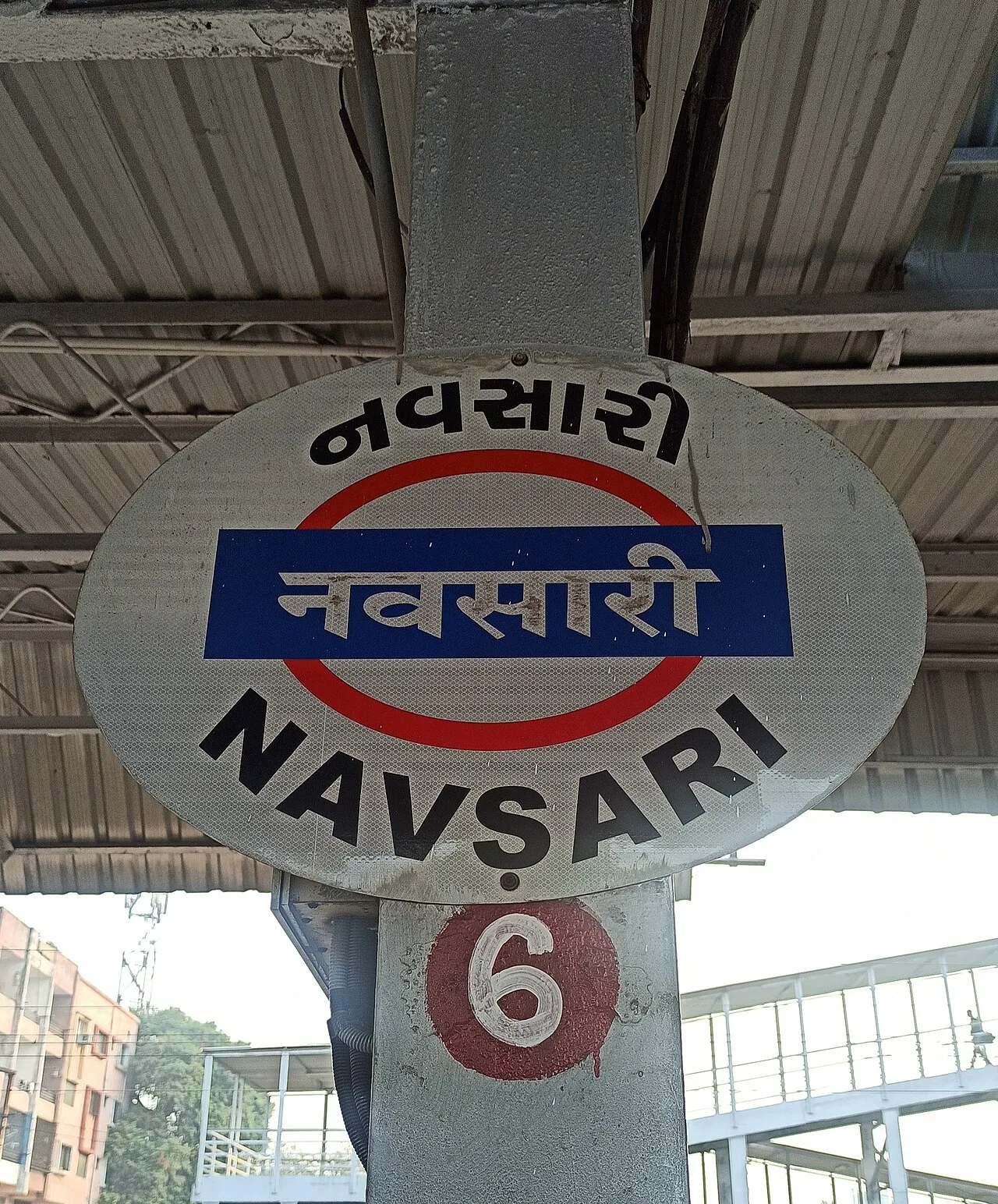
Part of the answer is Navsari. King calls the town the stronghold of Parsi religion and traditional culture, and Encyclopaedia Iranica records that it became the centre of Parsi religious authority in the 17th century. For more on that, see our page on Navsari Parsi history.

The rest is brand loyalty, and it runs deep. Traveldine names two makers, EF Kolah and RE Kolah. Both are in Navsari and both say they started in 1885. The story of the firms themselves is on our page about Kolah vinegar history. Food anthropologist and caterer Dr Kurush Dalal told the magazine that each Parsi is an EF Kolah, Framroz Kolah or Rustomji Edulji Kolah person, and that the choice is personal. Kaizad Patel belongs firmly to the EF Kolah camp. He orders ten containers of about 40 litres each at the start of the wedding season, and says that without sarko it is not Parsi food.
Condé Nast Traveller India gives a cook's reason. It credits Kolah vinegar with a specific balance of sweet, sour and umami, and says it is no everyday souring agent or synthetic vinegar. The magazine listed Kolah's among Parsi food names that have lasted a century, next to Parsi Dairy Farm and Pallonji's. Their story belongs to the wider sweep of Parsi business history. The Telegraph adds that you can use any vinegar, but a Bawi would not.
Where can you buy Parsi sugarcane vinegar?
In 2022 Traveldine reported that RE Kolah's vinegar could be ordered online, while EF Kolah's was harder to find in Mumbai. Its suggestions were the shop in Cusrow Baug, Grub Corner in Fort, or Kerawalla and Co in the lanes of Dhobi Talao, and even then you might find a single pouch. Condé Nast Traveller India said Kolah products still travel from Navsari to Mumbai and Pune and need 48 hours' advance order. Stock and shops change, so check with the seller before you make the trip. King noted in her book that Kolah's vinegar could also be bought in the United States.
What can you use instead of sarko?
King's choice is coconut vinegar from Sri Lanka or the Philippines. Where a dark vinegar would spoil the colour of a dish, she uses Japanese rice vinegar for its gentle sweetness. The Telegraph's note on tikhu-khatu-mithu treats lime as another way to bring the sour note.
Frequently asked questions
What is sarko in Parsi cooking?
Sarko is the Parsi name for sugarcane vinegar, a dark vinegar that Bombay Parsi homes keep for everyday cooking and pickling. It gives patio, saas ni machhi and Parsi pickles their sour note. SAVEUR's Meher Mirza writes that most Parsis use Kolah's aged vinegar, which is made only in Navsari in Gujarat.
What vinegar do Parsis use?
According to SAVEUR, most Parsis use Kolah's sugarcane vinegar from Navsari in Gujarat. Traveldine named two makers, EF Kolah and RE Kolah, in 2022, and food anthropologist Dr Kurush Dalal also spoke of Framroz Kolah and Rustomji Edulji Kolah. Which one a family buys is, in his words, a very personal choice.
Why is Kolah vinegar special?
Condé Nast Traveller India credits its specific balance of sweet, sour and umami, which it says sets it apart from synthetic vinegar. It also comes from Navsari, which cookbook author Niloufer Ichaporia King calls the stronghold of Parsi religion and traditional culture. Wedding caterer Kaizad Patel says that without sarko it is not Parsi food.
What can I use instead of Parsi sugarcane vinegar?
Cookbook author Niloufer Ichaporia King suggests coconut vinegar from Sri Lanka or the Philippines as a good alternative. Where a dark vinegar would change the colour of a dish, she prefers Japanese rice vinegar for its gentle sweetness. The Telegraph names lime as another way to bring in the sour note when balancing a Parsi dish.
Which Parsi dishes use vinegar?
Prawn or fish patio, fish saas, saas ni machhi, Tarapori patio and khichdi saas all use vinegar, and so do Parsi pickles made with anything from fish roe to mutton. Wedding caterer Kaizad Patel also washes fish in vinegar before making patra ni machhi. The sourness is often softened with jaggery or a little sugar.


