 PalV's Kasti
On this page
Tadi no batervo is a Parsi mutton dish from the villages of south Gujarat in which the meat is cooked down in palm toddy. Kurush F. Dalal of Katy's Kitchen, who cooked it from Katy Dalal's cookbook Jamva Chaloji in 2015, describes the method plainly. The mutton is marinated in a green masala, braised in hot oil, then goes under sweet toddy and simmers on a low flame for at least an hour and a half, with more toddy added whenever the pot runs low. What you end up with is mutton in a sticky, faintly caramelised gravy that tastes mildly sour and sweet at once. Homegrown, writing in 2025, called it one of the rarest dishes that still needs toddy.
શહેરેવર રોજ
Shehrevar Roj, Tir Mah · 1396 Y.Z.
What is tadi no batervo (taari-no-batervo)?
Tadi, also spelt taari or tari, is the toddy made from palm sap, and it gives the dish its name and its gravy. You will see the dish written two ways. Kurush Dalal titles his 2015 post "Tadi No Batervo", while Manasvini Sekar's 2025 article for Homegrown spells it "taari-no-batervo" and calls it a Gujarati Parsi stew of mutton slow-cooked in reduced toddy.
Dalal places it in the countryside. He says he and his team at Katy's Kitchen picked it for Khordad Sal in 2015 because they wanted to give their Mumbai patrons a taste of how Parsis in the Gujarat countryside cooked fifty or more years earlier. Toddy itself has a much longer story among Parsis than this one dish, and our explainer on Taari covers that history.
How is mutton cooked in palm toddy?
This method follows Kurush F. Dalal's 2015 account of cooking the dish from Katy Dalal's Jamva Chaloji (volume 2). The book is not online, so we could not check its quantities, and we give none here. The steps, in Dalal's order:
- Marinate the mutton in a green masala of green chillies, fresh coriander, mint, ginger, garlic, black pepper and cloves.
- Braise the marinated meat in hot oil.
- Pour in sweet toddy until the mutton is fully covered, then bring the pot to a boil.
- Turn the flame down low and let it cook slowly. Each time the liquid reduces too far, add more toddy, and keep going until the mutton is done. Dalal says this takes an hour and a half at the very least, and that slower is better.
- Stop when the gravy has turned sticky and tastes faintly caramelised.
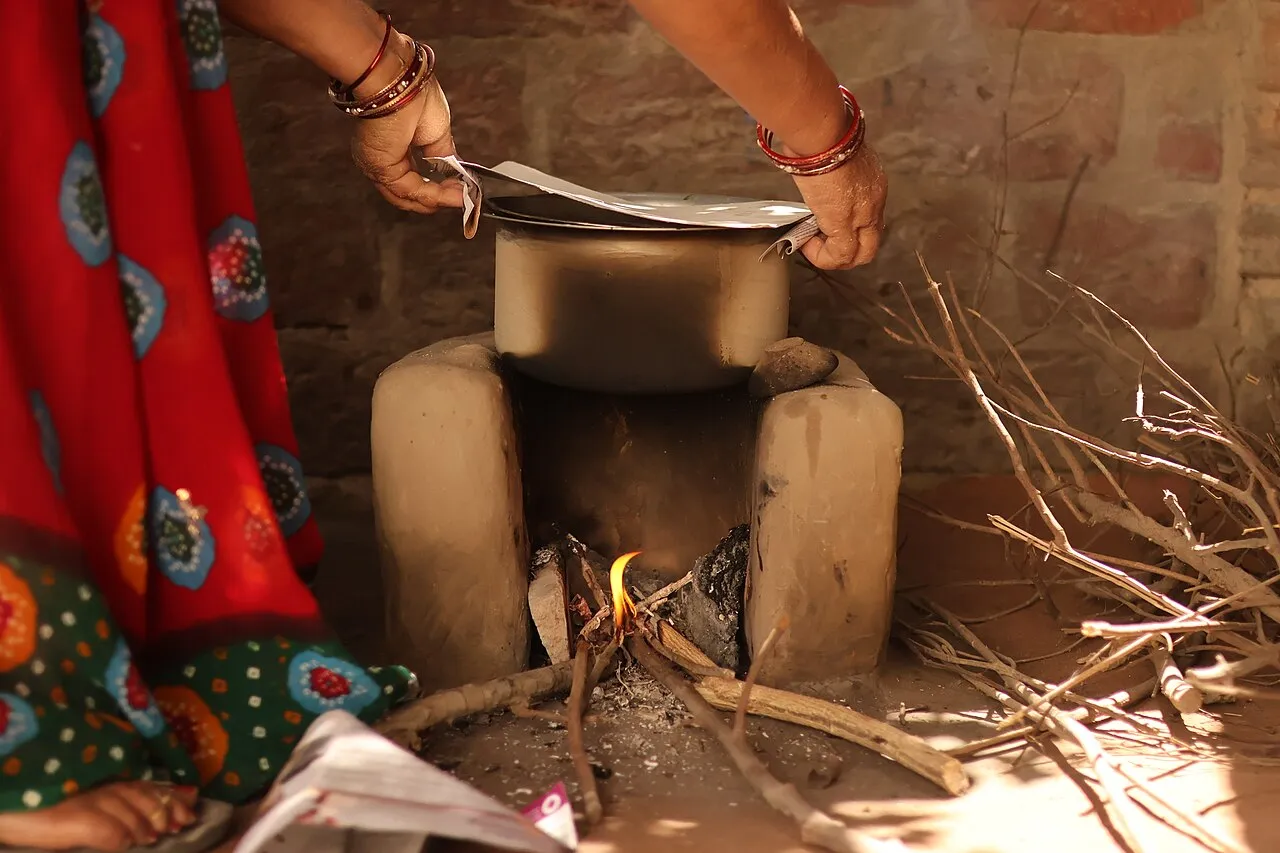
Dalal adds one more tip. If you can cook it over a wood fire in a terracotta chattie, he writes, it tastes better still.
Why does the recipe call for sweet toddy?
Palm sap starts out sweet and turns sour as it ferments. Meher Mirza, writing in The Juggernaut in 2021, explains that the sap gathered from the pots in the early morning is neera, sweet and fizzy. Left alone for about a day it deepens, sours and ferments into toddy. Her Saveur piece the same year says the change begins soon after the harvest.
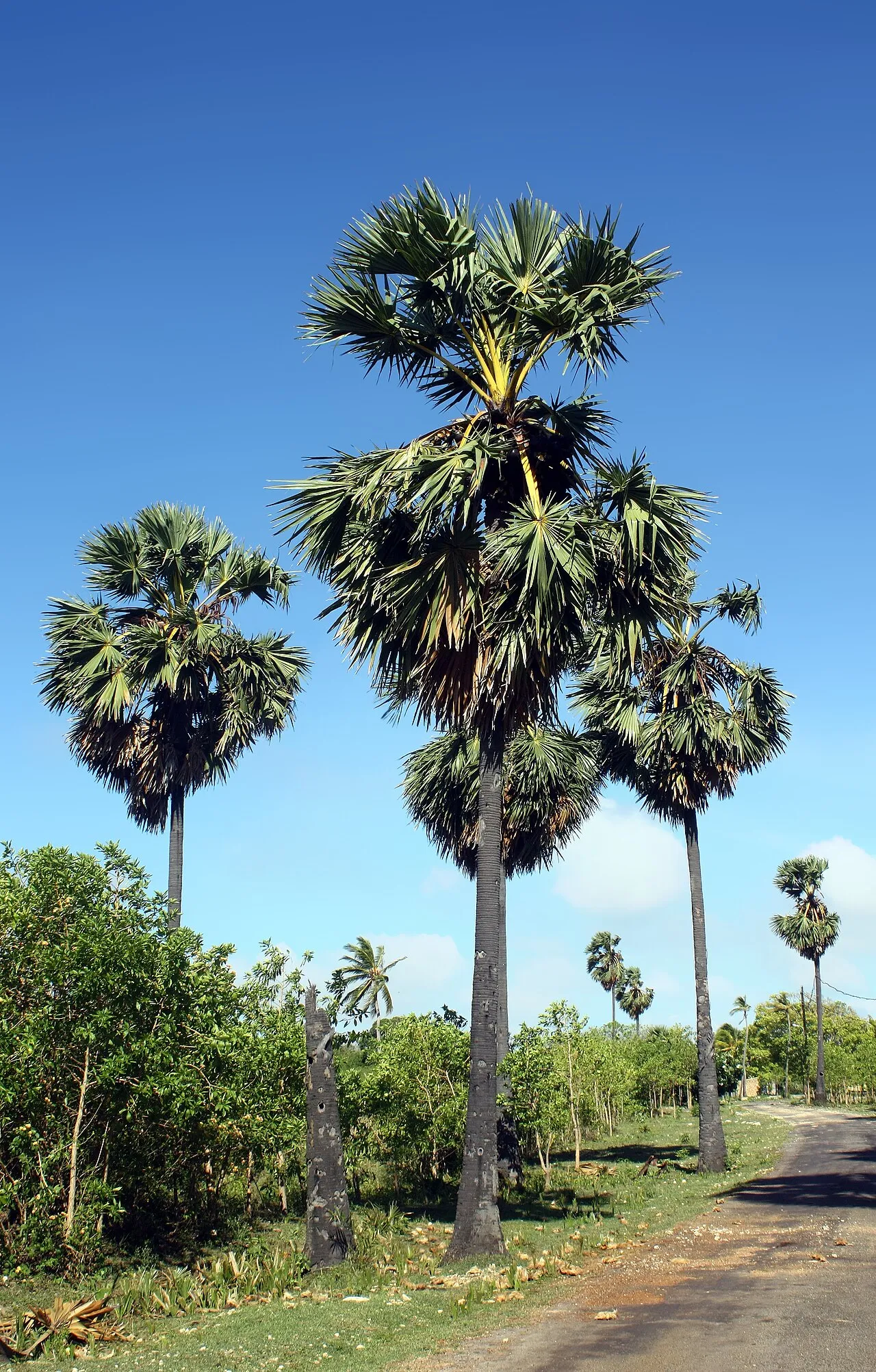
Timing mattered in at least one family that made batervo. Dalal remembers his mother telling him how the dish was cooked in her great-grandfather Kanjibhai's house at Tadgam, near Nargol. Kanjibhai had a pot of sweet toddy brought down from the tree at five or six in the morning, before the sun could speed up the fermentation. He also chose a palm that had been tapped recently, which, she said, made a difference.
What does tadi no batervo taste like, and what do you eat it with?
Dalal calls it a very simple dish with complex flavours. There is a mild sourness alongside a sweetness, he writes, though neither tastes like the usual sour or sweet, and the green masala sits underneath as a quiet note of spice. The gravy, he says, should be sticky.
He serves it with hot white rice or with rice rotlis.
Where does the dish come from?
The dish belongs to the Parsi villages of the south Gujarat coast. In The Juggernaut, Mirza describes toddy tappers working palms in small Parsi hamlets in Sanjan, Navsari and Udvada, with part of the toddy handed over to the Parsi landowners, who drank it fresh or cooked it into simple stews and kadhis. Her Saveur article says the same of Parsi kitchens today, where toddy still goes into meat stews.
Tadi no batervo also comes with a story of its own. According to Dalal, Katy Dalal writes in Jamva Chaloji 2 that Valsara Fooa made it at Mamakwara for Lady Navajbai Tata, when Lady Tata came to Nargol to review the Tata-Wadia School.
Why is tadi no batervo so hard to find today?
The dish needs fresh toddy, and fresh toddy lives in the countryside. In her essay "parsi food and flux" for G5A's Imprint, Meher Mirza notes that toddy is now drunk largely by rural Parsis, a shrinking minority, and that dishes built on it are slowly disappearing as a result. Homegrown made the same point in 2025 when it listed taari-no-batervo among the rarest dishes that still call for toddy.
We could not find a restaurant or caterer that keeps it on a regular menu. The one documented outing we found is at Katy's Kitchen, which cooked it for Mumbai diners as a Khordad Sal special in 2015.
Frequently asked questions
What is tadi no batervo?
Tadi no batervo is a rural Gujarati Parsi dish of mutton slow-cooked in palm toddy. The meat is marinated in green masala, braised in oil, then covered with sweet toddy and simmered for at least an hour and a half, with toddy topped up as it reduces, until the gravy turns sticky and lightly caramelised.
What does batervo taste like?
Kurush Dalal, who cooked it at Katy's Kitchen in 2015, describes a mild sourness paired with sweetness, neither quite like the usual sour or sweet tastes. The green masala of chillies, coriander, mint, ginger, garlic, pepper and cloves adds a gentle background spice. He calls it a simple dish with complex flavours.
Can you cook mutton in toddy?
Yes, and tadi no batervo is the Parsi dish built on exactly that. In the method Kurush Dalal followed from Katy Dalal's Jamva Chaloji, the cooking liquid is sweet toddy. The mutton boils in it, then cooks on a low flame, with more toddy added whenever the pot reduces, for ninety minutes or longer.
What do you eat tadi no batervo with?
Kurush Dalal, who cooked tadi no batervo at Katy's Kitchen for Mumbai diners in 2015, says it is best eaten with hot white rice or with rice rotlis. Those are the only accompaniments he names. He describes the gravy as sticky, with a mildly caramelised feel, and the dish as simple but complex in flavour.
Where can you eat tadi no batervo?
We found no restaurant or caterer that serves tadi no batervo regularly. Katy's Kitchen cooked it for Mumbai diners as a Khordad Sal special in 2015. Meher Mirza notes that toddy is now drunk mostly by rural Parsis, and that dishes built on it are slowly disappearing.


