 PalV's Kasti

On this page
Parsi and Irani Zoroastrian families stop eating meat for the three days after a death and take it up again on the fourth day, the Chahrum. J.J. Modi, the priest-scholar who wrote The Religious Ceremonies and Customs of the Parsees in 1922, calls this abstinence parhizi and says it is kept as a sign of mourning. For its textual basis Modi points to two Pahlavi books, the Shayast-la-Shayast and the Sad-dar. The priests and scholars we read give their reasons: meat would add to the impurity of a house where someone has died, and meat belongs to feasts and happier times, not to grief. Modi and Antia both record that, as a rule, nothing is cooked in that house and relatives send the meals.
This page is one part of our guide to Parsi death rituals. The ceremonies before the funeral itself, from the Sachkar onwards, are explained in Rituals before the funeral.
અસપંદામેદ રોજ
Asfandarmad Roj, Tir Mah · 1396 Y.Z.
What is the three-day meat fast after a death called?
Modi names it parhizi, which he glosses as "abstinence". In his account the family eats mostly vegetable food for three days, and the closest friends of the family keep the same restriction. Dastur Firoze M. Kotwal and James W. Boyd, in their 1982 commentary on Dastur Erachji Meherjirana's nineteenth-century catechism, note that Zoroastrians of their day still kept the three days, as in Erachji's time.
Dastur Kersey H. Antia's funeral guide, compiled with Roshan Rivetna for the FEZANA Journal in winter 2005, says relatives of the deceased eat no meat of any kind until the Chahrum.
Which religious texts forbid meat for three days?
The Pahlavi books
Modi quotes two Pahlavi works. The Shayast-la-Shayast (chapter XVII, verses 1 to 3) says that until three nights have passed in a house where someone has died, no meat is to be placed on the dron (the consecrated bread) there. Milk, cheese, fruit, eggs and preserves may be offered instead, and "nothing whatever of meat is to be eaten by his relations." The Sad-dar (chapter LXXVIII) says the relatives should not eat meat for three days.
Antia's 2005 guide names the same two books, the Shayast-la-Shayast and the Saddar. In his reading they rule out both eating meat and cooking at home until the Chahrum is over. Erachji's catechism, as Kotwal and Boyd translate it, also says the religious books forbid flesh for three days, and it points to the Pahlavi commentary on chapter 8 of the Vendidad.
Does the Vendidad itself forbid meat for three days?
Here our sources disagree, and we give both readings.
Noshir Dadrawala, answering a reader's question in Parsi Times on 1 April 2023, writes that Vendidad 8.22 specifically forbids cooking meat for three days and nights in a house where a death has taken place. He also notes that the same verse lets the family cook and eat meat from the fourth day.
Kotwal and Boyd report a different view from Erachji himself. In a manuscript of his work (ms. F93), Erachji cites Vendidad 8.22, which allows meat and wine once the body has been laid in the dakhma, the Tower of Silence. He then says, in Kotwal and Boyd's words, that the verse does not appear to require three days of abstinence from meat and wine.
James Darmesteter's English translation of the Vendidad, in the Sacred Books of the East series and reproduced on avesta.org, helps show where each reading starts. In that translation the verse lets the faithful "afterwards prepare meals with meat and wine" in the house. Darmesteter's footnote explains "afterwards" as the fourth day, and adds that cooking meat in the house is forbidden for three days and nights, marking that point as coming from the commentary. Dadrawala's article quotes the verse and that three-day line together as Vendidad 8.22.
Practice varies between families and Agiaries; your family priest's guidance comes first.
Why do Zoroastrians avoid meat in the house of the dead?
Impurity. Dadrawala explains that, for Zoroastrians, the body of the deceased is treated as a source of contamination. Kotwal and Boyd suggest that meat carried into the house of the dead would draw in further pollution, because meat too decays over time. Antia writes that the Pahlavi rule may exist because the druj-e-nasu could infect meat (in a Vendidad passage that Modi quotes, the nasu is the evil influence that carries infection from the dead to the living), and he cites the Rivayat of Kama Vohra for this. Dadrawala makes the same point in plainer terms: the house is treated as unclean until the dawn of the fourth day, so bringing meat in would add to the druj.
Meat as feast food. Kotwal and Boyd give a second likely reason, that flesh is regarded as a delicacy kept for feasts. Dadrawala writes that meat was seen as an indulgence for happier times.
Mourning. For Modi the abstinence is simply a mark of mourning.
Kotwal and Boyd add a caution in their commentary. Erachji's own answer had said that eating flesh "seems to be improper", but they write that it is not accurate to call eating meat improper in general. The restriction is about these three days.
Practice varies between families and Agiaries; your family priest's guidance comes first.
What do Parsi families eat during the three days?
Modi says the food is mostly vegetable, that generally no food is cooked in the house where the death took place, and that the nearest relatives cook for the bereaved family and send it across. Antia's guide also records that traditionally nothing is cooked in the house and that relatives and friends may send food.
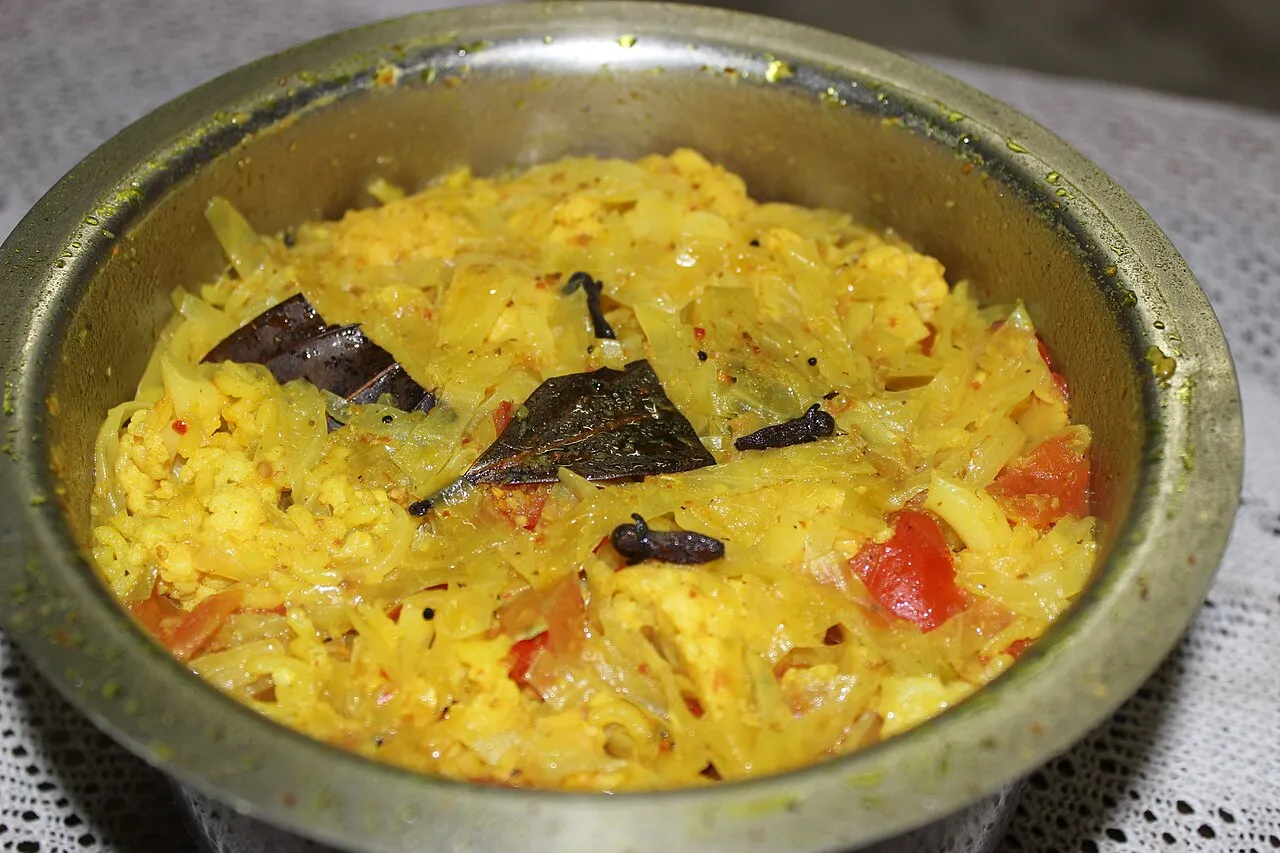
Dadrawala recalls that when most families lived in Parsi mohallas, neighbours brought simple food for a family too upset to cook. Mora daar chawal or khichri was the usual meal for the three days, he writes.
On eggs and fish the sources differ a little. Antia says eggs and fish are allowed, though no form of meat is. The Shayast-la-Shayast list quoted above includes eggs, but strictly it describes what may be offered on the dron, not the family's menu. Modi himself says only that the food is chiefly vegetable.
If you are sending food to a bereaved family, ask what they keep. Some households will want strictly vegetarian meals, others will take eggs or fish.
Practice varies between families and Agiaries; your family priest's guidance comes first.
When can meat be eaten again, and must it be dhansak?
Meat comes back on the fourth day. Modi, describing the Cheharum ceremonies, writes that meat is prohibited for the first three days and allowed from the fourth. On that day the priests who performed the Sarosh ceremonies for the previous three days are generally invited to the midday meal, over which the Satum prayer is recited. Antia records that eating meat on the fourth day is observed by both Parsis and Iranis, and that the food offered at the Satum may be vegetarian or not, according to the practice of the family and of the deceased.
Dhansak is the dish most families associate with the fourth day, but no text requires it. Dadrawala is direct about this: the scriptures do not lay down what must be eaten on the fourth day, and eating meat that day is not mandatory. In his account the dhansak meal began as the family's way of repaying the neighbours who had fed them, and adding mutton, kebab or kachumber is a matter of taste.
A Parsi account from 1858 already mentions a solemn feast on the fourth day. We look at that account, and an earlier one from 1838, in our post on the 1844 Parsi funeral account, which also explains why the 1844 story itself could not be verified.
Practice varies between families and Agiaries; your family priest's guidance comes first.
Frequently asked questions
Why don't Parsis eat meat after a death?
Two Pahlavi texts, the Shayast-la-Shayast and the Sad-dar, tell the relatives of the deceased not to eat meat for three days. Kotwal and Boyd explain this as meat adding to the impurity of the house and as meat being feast food, while J.J. Modi describes the abstinence, called parhizi, as a sign of mourning.
What do Parsis eat in the three days after a death?
Simple vegetable food, usually cooked by relatives and sent over, because traditionally nothing is cooked in the house where the death occurred. Noshir Dadrawala writes in Parsi Times (2023) that mora daar chawal or khichri was the usual fare. Modi (1922) and Antia (2005) also record that relatives send the meals.
Can fish and eggs be eaten during the three days?
Dastur Kersey Antia's 2005 FEZANA funeral guide says eggs and fish are allowed during the three days, but no meat. The Shayast-la-Shayast, as quoted by Modi, names eggs among the foods that may be offered in the house, while Modi himself says only that the food is mostly vegetable. Families differ, so ask your priest.
Is it compulsory to eat meat or dhansak on the fourth day?
No. Meat is permitted again from the fourth day, the Chahrum, but nothing requires it. Noshir Dadrawala writes in Parsi Times (1 April 2023) that the scriptures do not mandate what must be eaten that day. In his account dhansak is a long-standing custom, and adding mutton to it is optional.


