 PalV's Kasti
On this page
Zoroastrian funeral traditions share one core wherever the family lives. J.J. Modi (1922) and Ervad Dr Ramiyar Karanjia both describe the body being washed and dressed in a Navjote.">Sadra and Kusti, two priests reciting the Ahunavaiti Gatha over it in the Geh Sarna, and prayers for the soul through three days until the dawn of the fourth. What differs is the final disposal and some of the later rites. In Mumbai, Parsis and Iranis still take their dead to the Tower of Silence at Doongerwadi. Zoroastrians in Iran moved to cement-lined graves in cemeteries called aramgahs during the 20th century. Outside India and Iran, families use ordinary funeral homes and crematoria, and the prayers have been adapted to fit. Here are those differences, source by source.
શહેરેવર રોજ
Shehrevar Roj, Tir Mah · 1396 Y.Z.
What do all Zoroastrian funeral traditions have in common?
Modi, the priest-scholar who wrote The Religious Ceremonies and Customs of the Parsees (1922), states the guiding principle: the dead are treated with every respect, and the body is disposed of in the way that does least harm to the living. Karanjia says much the same on his own website. The body should go as early as possible, harming the living as little as possible.
Both also agree on the daylight rule. Modi writes that removal of the body at night is forbidden, and Karanjia that the Geh Sarna is done in the daytime only. The full order of rites from the deathbed to the fourth day is in our guide to Parsi death rituals. What happens on the day of the funeral itself, and where each part comes from, is in Parsi funeral ceremonies.
Do Iranis follow the same funeral rites as Parsis?
Largely, yes. Mary Boyce, writing in the Encyclopaedia Iranica (1993), describes the rites of the two communities as essentially the same, with the Iranian ones slightly more elaborate. Dastur Kersey H. Antia, in a guide to funeral ceremonies published in the FEZANA Journal in winter 2005, agrees that most Parsi ceremonies matched Iranian ones until the 1800s and early 1900s. He says the two have drifted apart since.
Older differences recorded by scholars
- A separate house for the dead. Modi wrote in 1922 that in Persia families took the deceased to a separate house in the street, known as a margzad, for the funeral prayers before the dakhma. Dosabhai Framji Karaka, in his History of the Parsis (1884), also noted that Zoroastrians in Persia did not keep the body at home but moved it to a building he likened to a morgue. Boyce gives the Irani name as zad-o-marg-khana.
- Who leads the procession. According to Boyce, in India two priests joined by a paiwand led the funeral procession, while in Iran a priest with the dog went in front.
- The position of the body. Boyce also records that in India the legs of the deceased were kept straight, whereas in rural Iran they were bent at the knees until the middle of the 20th century.
Differences in the later prayers
Antia's 2005 guide is our only source for most of these, so read them as his account. He writes that the inner liturgies, such as the Yasna and the Vendidad, are no longer performed in Iran, and that the high priest in Tehran told him in 2003 that the Baj there is not performed the same way as in India. He notes that Iranians and Kadmi Parsis do not observe the Jorani Kriya, the ceremonies done for a deceased person together with the living spouse. He describes an old Iranian custom of ending mourning after thirty days. And he names the days of remembrance at the end of the year differently for each community: Muktad or Fravardegan for Parsis, Panjeh for Iranians.
There is also a small difference in how a woman is named in the prayers. Modi records that, among Parsis, a married woman is named with her husband, while the Zoroastrians of Persia, and the Kadmi Parsis who follow them, name her with her father.
Practice varies between families and Agiaries; your family priest's guidance comes first.
Do Zoroastrians in Iran still use Towers of Silence?
No. Boyce gives the dates in Iranica: Tehran replaced its dakhma with a cemetery in 1937, and cemeteries followed in Kerman in 1939 and Yazd in 1960. There, she writes, the dakhmas stayed in alternative use until the 1970s, and the one at Sharifabad was given up a decade later.
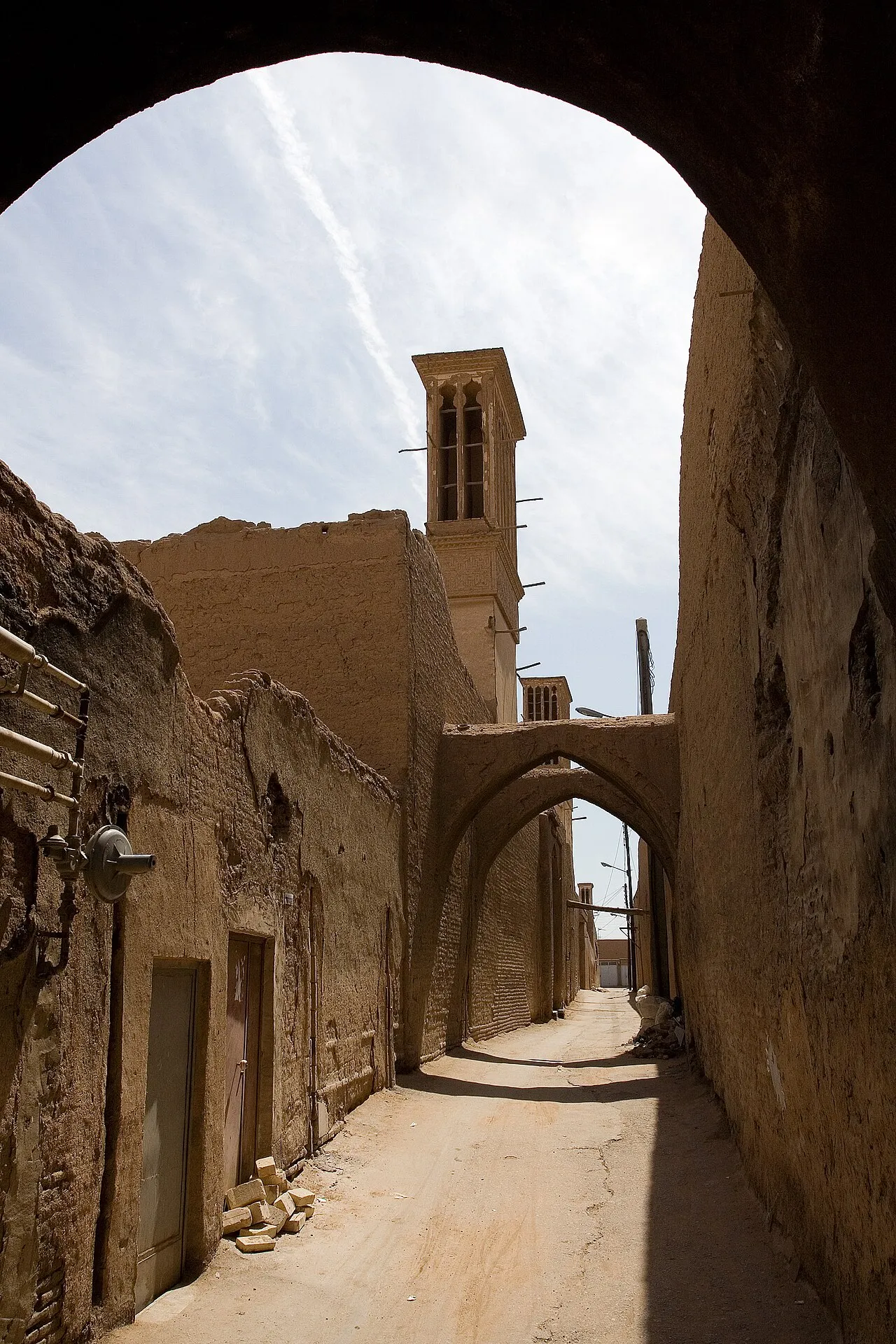


Not every account agrees on when the change came. Coomi Kapoor, in her history of the Parsis The Tatas, Freddie Mercury & Other Bawas (an excerpt ran on Scroll in July 2021), writes that Reza Shah banned exposure of the dead in the 1940s. Boyce describes a gradual move that began in 1937 and ran on for decades. We give both accounts as their authors give them.
What is an aramgah?
Aramgah means "place of rest", and Boyce uses it for the Zoroastrian cemeteries of Iran. She describes the graves as lined with cement and later cemented over. Antia, in his commentary on disposal of the dead in the same 2005 FEZANA Journal, points to the Iranian habit of walling the grave with cement-concrete blocks as a way to limit harm to land and water where burial cannot be avoided. Antia also reports what an Iranian mobed once told him: that Zoroastrians in Iran would have preferred cremation over burial when the dakhmas closed, had they had the choice.
What do Parsis and Iranis in India do?
In Mumbai, dokhmenashini remains the traditional way. The Bombay Parsi Punchayet's Doongerwadi page describes the estate as the final resting place for Parsi and Irani Zoroastrians of Mumbai and nearby districts and states, so both communities use the same towers and prayer halls there. Why the body is taken to the dakhma at all is explained in What Parsis do with dead bodies, and the structure itself in our post on the Tower of Silence.
Some Mumbai families now choose cremation instead. Boyce wrote in 1993 that orthodox priests in Bombay would not perform the funeral rites when the body is cremated. A prayer hall at the Worli crematorium now offers them. The Free Press Journal reported in January 2024 that the hall opened in August 2015 and that its religious services are led by the priest Framroze Mirza, helped by two other priests. In the same report, Dinshaw Tamboly of the Prayer Hall Trust put Mumbai's Parsi funerals at about 650 a year, of which 100 to 120 are cremations.
Practice varies between families and Agiaries; your family priest's guidance comes first.
How do Zoroastrians abroad hold a funeral?
In other countries, Boyce noted in 1993, Zoroastrians have to rely on ordinary undertakers and public crematoriums. The prayers are kept. The setting changes.
Cremation or burial
Firoze Jungalwala and Farhad Panthaki, in their guide to the Geh Saarnaa prayer published on avesta.org, write that cremation is the preferred choice in North America and that burial is seen as contaminating the earth. Antia also ranks cremation second after dokhmenashini. For families who do choose burial, he suggests asking for a cement-lined box to protect the earth and water. On ashes, Jungalwala and Panthaki say they are customarily returned to nature, while Antia calls the burying of ashes un-Zarathushti and suggests each association keep one shared garden plot for them.
How the rites are adapted
- A casket instead of stone slabs. Jungalwala and Panthaki note that in India the body is laid on stone slabs, while in the US it is usually placed in a casket.
- Geh Sarna at the funeral home. Antia's guide places the Geh Sarna at the funeral home, still in daylight hours, followed by the sezdo, the last respects.
- When no priest is available. Here the two guides differ. Antia says two lay Zarathushti men may perform the Geh Sarna. Jungalwala and Panthaki say any Zarathushti may.
- A motorcade for the Paydast. The walking procession becomes a line of cars behind the hearse to the crematorium or cemetery, as both guides describe.
- Uthamna and later prayers. Antia's sample schedule holds the Uthamna at the local Darbe Mehr, or at home if there is none.
Where local priests are lacking, Antia adds, the later ceremonies can be done in India or Iran, though he prefers that they not be held in more than one place.
Practice varies between families and Agiaries; your family priest's guidance comes first.
Frequently asked questions
What do Zoroastrians do when someone dies?
Modi and Karanjia describe the body being washed and dressed in a Sadra and Kusti, and two priests reciting the Geh Sarna over it in daylight before the funeral. Prayers for the soul continue for three days until the dawn of the fourth. The body then goes to a dakhma in Mumbai, or to a crematorium or cemetery elsewhere.
Do Zoroastrians in Iran still use Towers of Silence?
No. Mary Boyce records in the Encyclopaedia Iranica that Tehran replaced its dakhma with a cemetery in 1937, followed by Kerman in 1939 and Yazd in 1960, with the Sharifabad dakhma given up about a decade after the 1970s. Coomi Kapoor's history of the Parsis instead dates a ban by Reza Shah to the 1940s.
What is an aramgah?
An aramgah, meaning "place of rest", is a Zoroastrian cemetery. In Iran these replaced the dakhmas during the 20th century, starting in Tehran in 1937, according to Mary Boyce. She describes the graves as lined with cement and later cemented over, and Dastur Kersey Antia points to this Iranian habit as a way to limit harm to land and water.
How do Zoroastrians bury their dead abroad?
A North American guide on avesta.org, by Firoze Jungalwala and Farhad Panthaki, calls cremation the preferred choice there, because burial is seen as contaminating the earth. Where families do choose burial, Dastur Kersey Antia suggests requesting a cement-lined box to protect earth and water. He places the Geh Sarna at the funeral home, in daylight, beforehand.
Do Iranis follow the same funeral rites as Parsis?
In the main, yes. Mary Boyce calls the two communities' rites essentially the same, the Iranian ones being a little more elaborate. Dastur Kersey Antia lists later differences: no inner liturgies in Iran today, a different Baj, no Jorani Kriya, mourning ended after thirty days, and Panjeh rather than Muktad at the year's end.


