PalV's Kasti
On this page
- Who are Zoroastrian women in the United States?
- Who has researched Zoroastrian women in America?
- What role do women play in passing on the faith?
- Where do Zoroastrian women in the US go to pray?
- Do Zoroastrian women in America keep the purity rules?
- How do Parsi and Iranian women's lives in the US differ?
- How is the American-born generation changing things?
- Where can I read the full study?
- Frequently asked questions
Zoroastrian women in the United States come from Parsi and Iranian families, immigrants and their American-born daughters, and the clearest picture of their lives comes from one researcher, Paulina Niechciał of the Jagiellonian University in Kraków. From interviews she did in 2019, she reports that women usually do the work of raising children in the faith, while the formal institutions are run mainly by men. Women pray at temples near home and far away. Some keep the menstrual rules only for the temple, and she reports this is becoming rarer in the US. Parsi women travel to India more easily than Iranian women can visit Iran. The generation raised in America more often sees Zoroastrianism as a religion without ethnic conditions attached. Her full study came out as a book in 2025.
અસપંદામેદ રોજ
Asfandarmad Roj, Tir Mah · 1396 Y.Z.
Who are Zoroastrian women in the United States?
They come from two streams. Harvard's Pluralism Project notes that most Parsis from the subcontinent grew up speaking English and Gujarati, while most Iranian Zoroastrians claim Farsi as their mother tongue. It adds that the two groups keep slightly different rituals and festivals and often follow separate religious calendars. For community numbers and the federation that links the associations, see our guide to Zoroastrians in North America, and for the wider picture of migration, our page on the Zoroastrian diaspora.
We found no survey or headcount of Zoroastrian women in the US. What exists is interview-based research, nearly all of it by one scholar.
Who has researched Zoroastrian women in America?
Paulina Niechciał is an assistant professor at the Jagiellonian University's Centre for Comparative Studies of Civilisations in Kraków. In September 2019 she went to the US on a Kosciuszko Foundation Fellowship, hosted by the Department of Central Eurasian Studies at Indiana University Bloomington. FEZANA's Religion Education Committee hosted an online talk by her on this work in October 2023.
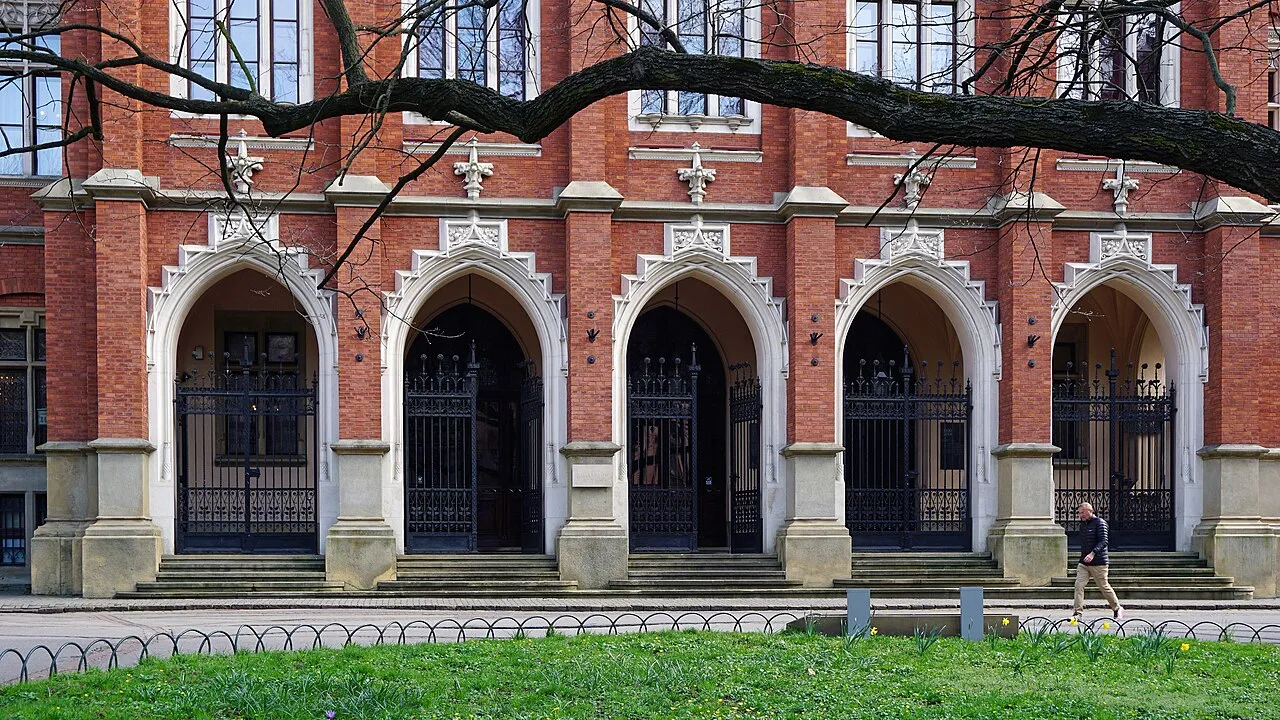
Her 2019 field report says she set out to explore how Zoroastrianism is created, observed and spoken about by women in the American diaspora. She worked in three settings:
- a scattered, mostly Parsi population in the area of the Zoroastrian Association of Kentucky, Ohio and Indiana (ZAKOI)
- the more organised, mostly Parsi community of Chicago
- Iranian women in California, members of associations in Los Angeles, Sacramento and San Jose
The field report counts 60 in-depth interviews, with a few more in Houston. Her 2022 article in the journal Studia Religiologica says it draws on 67 interviews from 2019, mostly in English and a few in Persian.
What role do women play in passing on the faith?
The formal side of the religion is led mainly by men. Niechciał's field report calls institutional Zoroastrianism male-dominated, and FEZANA's notice of her talk and SOAS University of London's page for her lecture there use the same description. That is why she chose to study women: to see how they shape the faith in daily life, outside formal institutions.
At home, women carry more of the load. In the Studia Religiologica article she writes that, although it is not a rule, bringing children up in the ethnic and religious tradition is usually women's work. One interviewee summed it up: "You see, these are all women" (our translation from her Polish text).
Women also build institutions. Niechciał describes the woman who leads ZAKOI as having raised funds for years to build a temple for future generations. FEZANA's list of Dar-e-Mehrs in North America now shows a ZAKOI Dar-e-Mehr in Cincinnati, Ohio.
Where do Zoroastrian women in the US go to pray?
Niechciał distinguishes prayer halls inside cultural-centre buildings from freestanding temples, which she names in Houston, San Jose and Sacramento. Unlike places of worship in the old homelands, she notes, the US sites other than Houston's open only for particular events. Some women told her that prayer halls lack the right atmosphere for prayer.
Distance shapes what is possible. For the Kentucky group, she notes, the nearest temple is in Chicago, a trip of several hours at least. In Chicago itself the community decided to pay a priest to open the building for a few hours every day, and she reports that this caused tensions.
Women also pray beyond their own buildings. The article's English abstract says they visit both nearby and faraway places of worship, including in their old homelands, and value them in different ways. Some practise at temples of other religions. She writes that some Parsi immigrant women pray at Hindu temples they knew from India.
Do Zoroastrian women in America keep the purity rules?
Some do, but in a narrower form. Niechciał describes the rule under which a menstruating woman does not pray or visit sacred spaces. She reports that some of the women she interviewed follow it only in relation to the temple, and that in the US this is happening less and less often. Her article records what women told her about their own practice. It is not a statement of what the religion requires, and what the faith teaches about women is covered on our page about Women in Zoroastrianism.
Practice varies between families and Agiaries; your family priest's guidance comes first.
How do Parsi and Iranian women's lives in the US differ?
The biggest difference Niechciał found is the link with the old country. She concludes that the transnational practices of Parsi and Iranian Zoroastrian women differ, because the Iranian women's options are limited. Their Iranian peers, she writes, get fewer chances to visit Iran for political reasons.
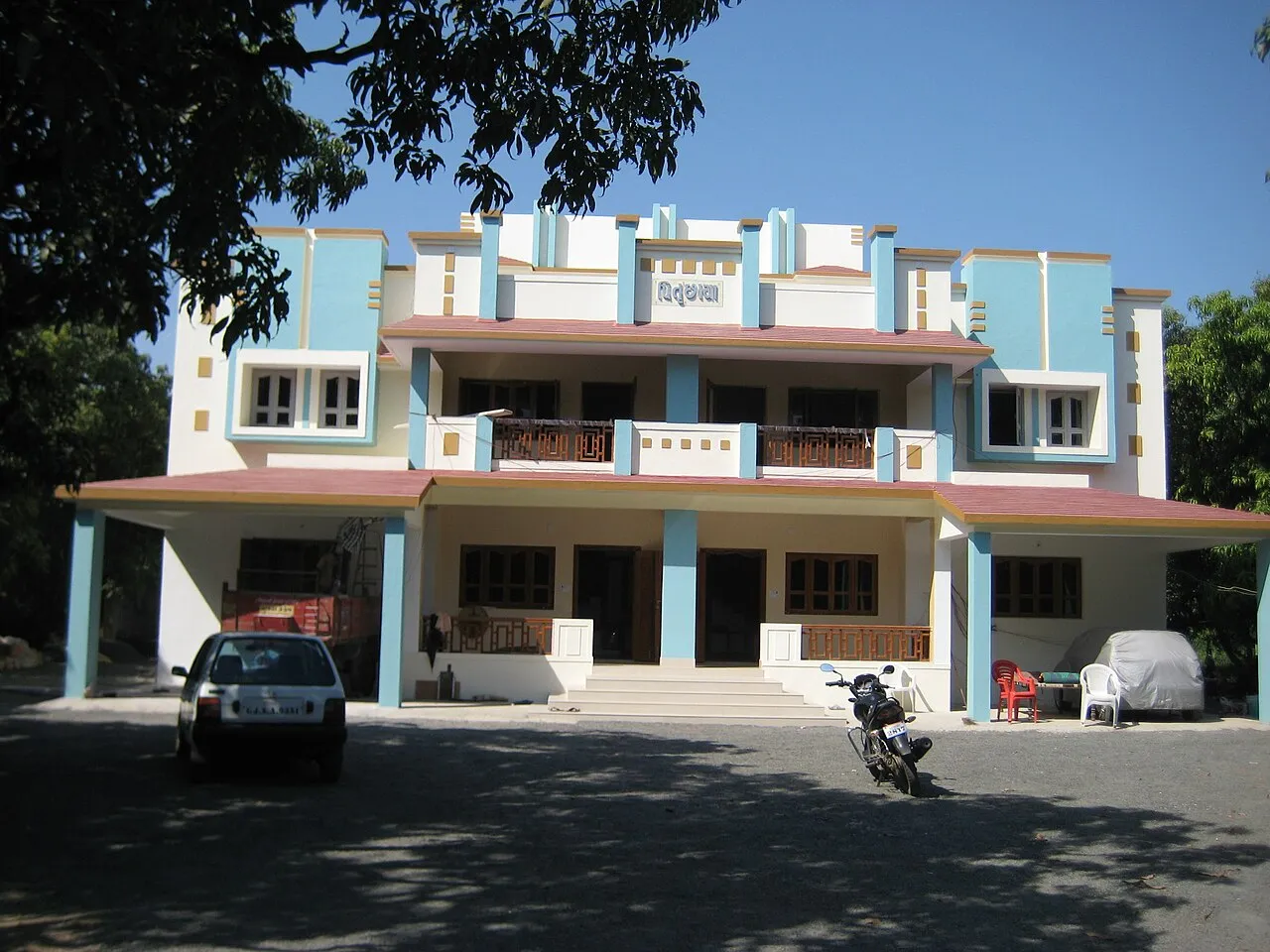
Parsi women can go back more easily. She quotes a Parsi woman in her twenties who visits Udvada every year because her grandmother lives there: "I'm not that religious, but whenever I go to the agiary [in Udvada], I feel spiritual there" (our translation). She adds that American Parsi women also have trouble travelling to Iran, and that those of Pakistani origin can find it hard even to travel to India. For the scale of the community those women left behind, see our page on the Parsi population in India.
How is the American-born generation changing things?
Niechciał's 2022 article finds that the generation raised in the US more often sees Zoroastrianism as a religion without ethnic conditions attached. She links the freestanding temples in San Jose and Houston to the same shift, describing them as reflecting a view of Zoroastrianism more as a religion than as an ethnic heritage.
Her field report frames the bigger question in the same direction: whether immigrant women and their North American-born daughters are changing the religion outside the institutional frame through what they do every day. That is her research question and a preliminary reading, not a measured result, and we report it as such.
Where can I read the full study?
The book is Zoroastrian Women in the United States of America, subtitled Practicing Lived Zoroastrianism in a Diaspora, by Paulina Niechciał, released by Jagiellonian University Press on 30 June 2025 in its series The Vastness of Culture. It has 376 pages (ISBN 978-83-233-5520-5). The publisher says it draws on the stories of successive generations of Iranian and Parsi immigrants. In an endorsement on the publisher's page, Professor Michael Stausberg of the University of Bergen singles out her "insightful observations of cross-generational change".
Her two journal pieces are free to download from the ejournals.eu platform: the 2019 field report in The Polish Journal of the Arts and Culture, in English, and the 2022 Studia Religiologica article on women and temples, in Polish with an English abstract.
Frequently asked questions
Who has studied Zoroastrian women in the United States?
Paulina Niechciał, an assistant professor at the Jagiellonian University in Kraków, did the main fieldwork in 2019 as a Kosciuszko Foundation Fellow hosted by Indiana University. She interviewed first- and second-generation women of Parsi and Iranian background, and published the results in journal articles and a 2025 book from Jagiellonian University Press.
Where do Zoroastrian women in the US go to pray?
Niechciał found two kinds of place: prayer halls inside community-centre buildings, and freestanding temples, which she names in Houston, San Jose and Sacramento. Apart from Houston's, the US temples open only for particular events. Women also visit distant temples in their old homelands, and some pray at temples of other religions, such as Hindu temples they knew in India.
Do Parsi and Iranian Zoroastrian women in America practise differently?
In some ways, yes. Harvard's Pluralism Project says the two communities speak different home languages and keep slightly different rituals, festivals and often calendars. Niechciał adds that Parsi women can travel to India more freely, while their Iranian peers visit Iran less often for political reasons, so their ties with the old homeland differ.
Do Zoroastrian women in the US keep the menstrual purity rules?
Some do, in a narrower form. In her 2022 article Niechciał reports that some interviewees keep the rule of not praying or entering sacred spaces during menstruation only in relation to the temple, and that this is becoming rarer in the US. She describes what women told her, not what the faith requires.
Is there a book on Zoroastrian women in America?
Yes. Zoroastrian Women in the United States of America, subtitled Practicing Lived Zoroastrianism in a Diaspora, by Paulina Niechciał, was released by Jagiellonian University Press on 30 June 2025. It runs to 376 pages and draws on the stories of successive generations of Parsi and Iranian immigrants.