 PalV's Kasti
On this page
Parsi cooks treat bombil, the Bombay duck that Parsis call boomla or bombla, in three main ways. Dried bombil is softened, spiced and finished in an onion, tomato and vinegar masala as sookha boomla patio. Fresh bombil is squeezed, coated in rava and crisped on a hot tava as tarela taja boomla. And dried bombil is marinated in a ground paste of red chillies, garlic and cumin in vinegar, then fried, to make Tarapori patio. In the dried-bombil dishes, vinegar is the Parsi signature. Pervin Marzban Bilimoria, who shared these three styles with the Times of India in 2014, called it "the trick", because it gives the fish its khatta-meetha (sour-sweet) taste. She suggests eating bombil with hot white rice or bread, and Tarapori patio with masoor or dhan daar.
શહેરેવર રોજ
Shehrevar Roj, Tir Mah · 1396 Y.Z.
Is Bombay duck a fish, and what do Parsis call it?
Yes. Bombay duck is a fish, not a bird, a point the food writer Farzana Contractor still finds herself making in UpperCrust. Meher Mirza, writing in SAVEUR in 2021, describes it as a lizardfish and says Parsis call it boomla. Contractor spells the Parsi name bombla. In Maharashtra and Goa it is bombil, and the old Anglo-Indian glossary Hobson-Jobson records the Marathi forms bombil and bombila and identifies the fish as Harpodon nehereus.

Parsis enjoy it both fresh and dried, according to Mirza. Contractor explains that fisherfolk hang the catch on the beaches of north Mumbai, around Versova, in the heat of summer and put the bone-dry fish away for the monsoon. She grew up eating bombil mainly in the rains, and Bilimoria's three styles were also offered as rainy-season cooking.
Why is it called Bombay duck?
Nobody can say for certain, and our two sources tell different stories. Contractor gives the popular railway explanation: the fish went by mail train from Bombay to Calcutta, Bengalis called it "Bombay Daak" (daak meaning mail), and British ears turned that into Bombay Duck. The Hobson-Jobson glossary says the origin of both bummelo and Bombay Duck is obscure. It notes that bummelo appears in a 1727 supplement to a Portuguese dictionary, and suggests the English name may have copied "Digby chick", a dried fish sold in London shops. We have not found a primary record that settles it.
How do you clean dried bombil before cooking?
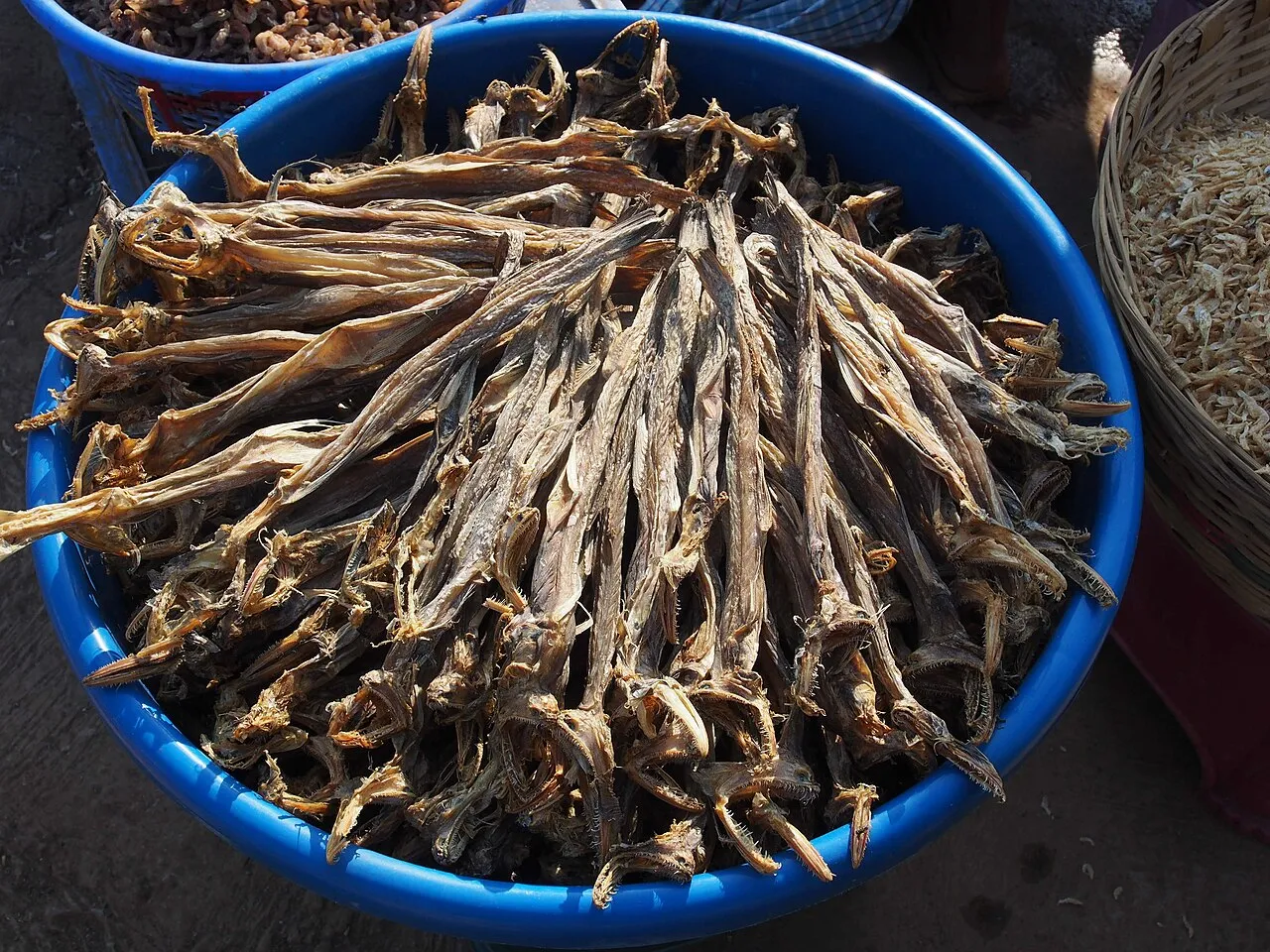
Dried bombil carries beach sand in its folds, so the preparation matters as much as the masala. Farzana Contractor's method in UpperCrust runs like this:
- Break off the head and pull away the fins.
- Cut each fish into small or medium pieces.
- Wash the pieces gently under running water. Grit left behind ends up between your teeth, and small bits of fish break off easily.
- Leave the pieces in salted water for five to ten minutes. She adds the juice of half a lime if you want less smell.
- Throw away the water and pat the pieces completely dry. She uses a clean old kitchen cloth rather than newspaper.
- Fry until golden and crisp. Oil that spits at you means the fish was not dry enough.
Contractor treats the crisp plain bombil as a snack in itself, and writes that the Royal Bombay Yacht Club sends out a few pieces with its Parsi mutton dhansak. For a wet preparation, she carries on from here by browning onions and adding the rest of the masala.
How do you cook bombil the Parsi way?
This method follows Pervin Marzban Bilimoria's three styles as reported by Ismat Tahseen in the Times of India (13 November 2014). Her recipes give no measurements, so we have not invented any. Season to taste, and for the dried bombil add the vinegar while the fish cooks, as she insists.
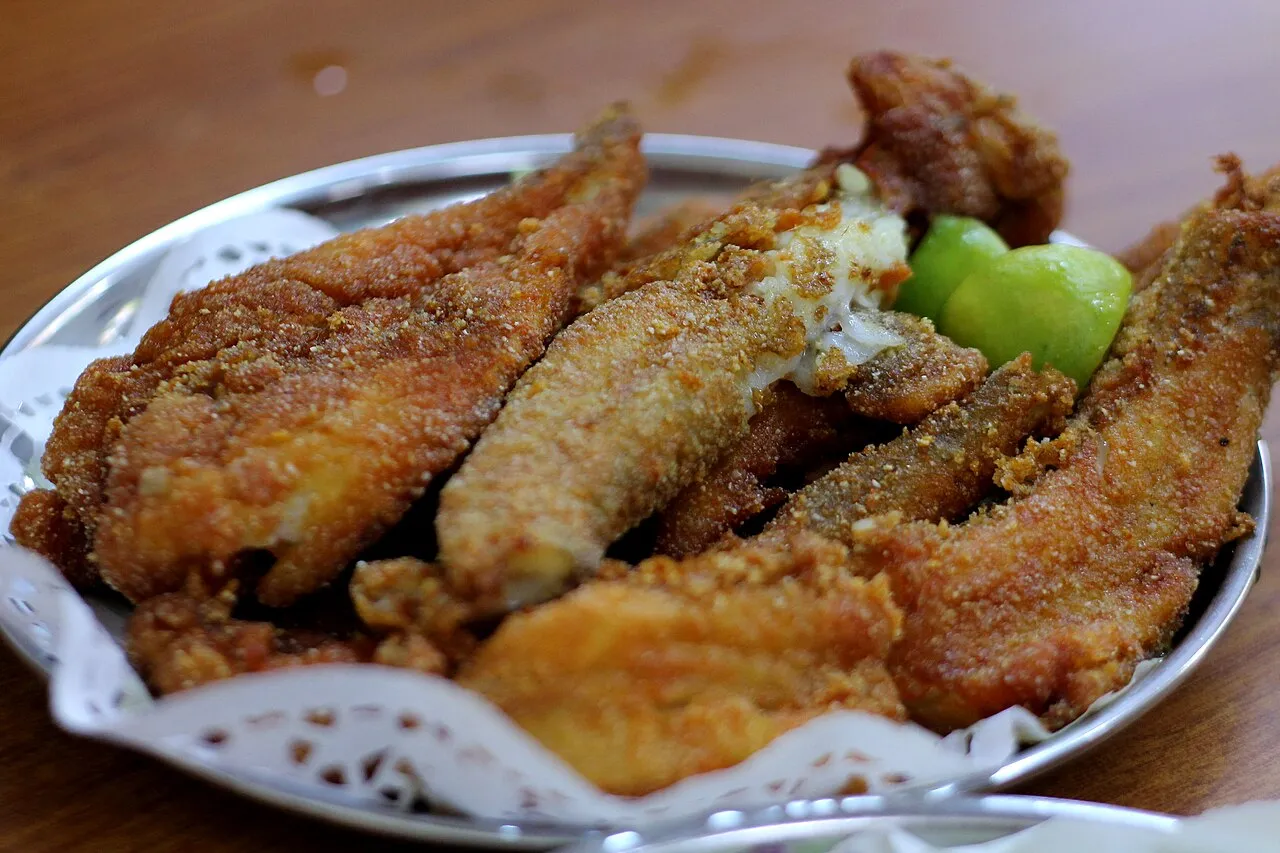
Sookha boomla patio (dried bombil in onion-tomato masala)
Clean the dried bombil and soak it in water until it softens. Rub it with salt, turmeric and red chilli powder. In a pan, fry sliced onion, then stir in green chilli paste, a few chopped tomatoes, your dry masalas and a splash of red vinegar. Add the bombil and fry it in that masala. Bilimoria says the onion brings sweetness to balance the sour.
Tarela taja boomla (fried fresh bombil)
Press the water out of the fresh bombil first, then marinate the fish. Coat each piece in rava. For a crisper finish Bilimoria uses chana atta (gram flour), and wheat flour if you are watching your health. Cook the pieces in oil on a hot tava.
Tarapori patio (dried bombil in chilli-vinegar)
Grind a few dried red chillies with garlic and zeera (cumin) in vinegar. Marinate the dried bombil in this paste, then fry it in oil. Bilimoria calls it a great side dish and says it is normally eaten with masoor or dhan daar.
What is Tarapori patio?
Tarapori patio is dried Bombay duck made hot and sour with chilli and vinegar. Mirza credits it to the Parsis of Tarapore. India Food Network's 2016 guide to Parsi pickles lists it as a bombil pickle, fishy, sour and spicy, and cooked on the stove top. Mirza also mentions dried boomla shaped into cutlets.
What do Parsis eat with bombil?
Bilimoria suggests hot white rice or bread with her bombil, and masoor or dhan daar with Tarapori patio. Contractor's example of plain fried bombil beside mutton dhansak at the Royal Bombay Yacht Club shows another pairing. Bombay duck finds its way into eggs too. Shabnam Minwalla, writing in Outlook Traveller in 2021, lists akoori made with dried Bombay duck and the Parsi omelette, poro, stuffed with de-boned Bombay duck. If you like eggs cooked over vegetables, try our Bhida per eedu next.
Bombil is one dish among many in our collection of Parsi recipes. For something sweet with monsoon tea, our Bhakra recipe is a good next stop, and our guide to Parsi food explains where dishes like these fit in the wider cuisine.
Frequently asked questions
Is Bombay duck a fish or a bird?
Bombay duck is a fish. SAVEUR describes it as a lizardfish, and the Hobson-Jobson glossary names it Harpodon nehereus. Farzana Contractor writes that fisherfolk dry it on the beaches of north Mumbai, and that it is known as bombil in Maharashtra and Goa. Parsis call it boomla or bombla, and cook it both fresh and dried.
What is boomla in Parsi cooking?
Boomla, also spelt bombla, is the Parsi name for bombil or Bombay duck. It appears in dish names such as sookha boomla patio, dried fish in an onion, tomato and vinegar masala, and tarela taja boomla, fresh fish coated in rava and fried on a tava. Tarapori patio is also made from dried boomla.
How do you stop dried bombil from smelling and splattering?
Farzana Contractor soaks the cut, washed pieces in salted water for five to ten minutes, sometimes with half a lime squeezed in to cut the smell. She then dries them thoroughly with a clean cloth before frying. If the oil spits, the pieces were still damp. She notes that most people store dried bombil in airtight tins.
Is Tarapori patio a pickle?
India Food Network lists Tarapori patio among Parsi pickles, as a sour, spicy bombil pickle cooked on the stove top. SAVEUR calls it a speciality of the Parsis of Tarapore. Pervin Marzban Bilimoria, who fries the marinated fish in oil, calls it a great side dish and eats it with masoor or dhan daar.
When do Parsis eat dried bombil?
Our sources link it with the monsoon. Farzana Contractor writes that fisherfolk dry bombil on the beaches in summer and store it away for the rainy months, and that she grew up eating it mainly in the rains. Pervin Marzban Bilimoria offered her three Parsi bombil styles to the Times of India as rainy-season cooking.


