 PalV's Kasti
On this page
- What is jardaloo sali boti?
- When do Parsis serve sali boti?
- What ingredients do you need for jardaloo sali boti?
- How do you make jardaloo sali boti, step by step?
- Should you soak the apricots or cook them in the gravy?
- How do you make salli, the potato straws?
- Which vinegar goes into sali boti?
- Frequently asked questions
Jardaloo sali boti is mutton cooked in a spiced tomato gravy with dried apricots, then finished with a heap of salli, the thin fried potato straws used across Parsi cooking. To make it, you fry whole spices and onions, cook down a tomato masala, brown the mutton in it, add a little vinegar and water, and simmer it covered. The apricots go in for the last few minutes, and the salli goes on just before serving. The method below follows Pushpesh Pant's recipe for jaradalu ma gosht, published in The Tribune in January 2020, which he finished with salli. It is one of the dishes in our wider set of Parsi recipes.
શહેરેવર રોજ
Shehrevar Roj, Tir Mah · 1396 Y.Z.
What is jardaloo sali boti?
The name tells you most of the dish. Cookery expert Zarnak Sidhwa, sharing her version in You! magazine in 2020, explains that jardaloo means dry apricots. Salli are potatoes cut as fine as matchsticks and deep-fried, which Pant says give a crisp crunch to a meat curry. Meher Mirza, writing on the Parsi pantry for Saveur, lists sali boti and sali marghi among the sauced meat dishes where these potato sticks add salt and crunch.
What sets the curry apart is its balance. Perzen Patel describes salli boti as tikhu-khatu-mithu, meaning spicy, sour and sweet at once, and notes that few Indian stews manage all three. Pant calls his apricot version "subtly sweet and sour". The fruit is part of a wider Persian thread: Sidhwa credits the dried apricot and red vinegar to Persian influence, and FEZANA's 2012 cookbook Eat, Live, Pray describes Parsi food in India as a fusion of Persian and Gujarati influences and gives jardalu ma marghi, chicken with apricots, as its example of fruit in the cooking.
When do Parsis serve sali boti?
Sali boti is festive food. Patel writes that it often features on the traditional Parsi wedding feast, and Sidhwa describes jardaloo salli boti as a dish for auspicious occasions. Its chicken cousin, sali murghi, belongs to the banana-leaf wedding meal, according to cookbook author Niloufer Mavalvala. We explain how that meal is laid out, course by course, in our guide to the Parsi platter.
Patel also notes that, despite being simple, the dish is rarely cooked at home, because on a stove the mutton can take two to three hours to turn fall-apart soft. FEZANA's wedding chapter, which includes salli marghi, also carries gos na cutlets with a sweet and spicy tomato gravy, which we cover in our recipe for Gos na cutlets.
What ingredients do you need for jardaloo sali boti?
These quantities are from Pushpesh Pant's jaradalu ma gosht in The Tribune. He does not give a serving count.
For the mutton
- 750 g mutton, shank and shoulder, trimmed, washed and patted dry
- 200 g dried apricots, softened in warm water and stoned
- 150 g onions, finely chopped
- 100 g tomatoes, finely chopped
- 1 tsp ginger-garlic paste
- Cinnamon stick (Pant's list reads "1 x 2 piece"), 3 cloves, 2 green cardamoms, ½ tsp black peppercorns
- 2 tsp coriander powder, 1 tsp cumin powder, ½ tsp red chilli powder
- 1 tbsp malt vinegar
- Salt to taste
- 200 ml oil
To finish
- 150 g potatoes, peeled, cut into matchsticks and deep-fried (salli)
- A sprig of fresh coriander
- ½ tsp lemon juice, optional
How do you make jardaloo sali boti, step by step?
- Heat the oil in a heavy pan until it just smokes. Drop in the whole spices, and turn the flame down to medium as soon as they change colour.
- Add the onions and fry until golden brown. Stir in the ginger-garlic paste for about 30 seconds.
- Add the chilli, cumin and coriander powders, the salt and the tomatoes. Keep frying until the oil separates at the edges, splashing in a spoonful of water if the masala starts to catch.
- Add the mutton and fry until it is well browned all over.
- Pour in the malt vinegar and stir. Add two cups of boiling water, cover, and cook on a medium-low flame for 20 minutes.
- Uncover, add the apricots and simmer for another 7 to 8 minutes. If the mutton is still firm, add a little more water and keep cooking until it is tender.
- Check the salt. Top with salli and coriander, and add the lemon juice if you want to tone down the fruit's sweetness. Pant serves it with either roti or rice.
A word on timing. Pant's recipe already allows extra water and time if the mutton is not done after the apricots go in. Patel's own recipe for The Spinoff cooks the mutton covered on a low-medium flame for one to two hours, checking every 10 to 15 minutes, or for four to six hours in a slow cooker. Go by the meat, not the clock.
Should you soak the apricots or cook them in the gravy?
Cooks disagree here, and the choice changes the gravy. Pant softens the apricots in warm water and adds them near the end. Sidhwa soaks hers overnight in a mix of vinegar, water and sugar, then folds them in once the meat is done. Mavalvala goes the other way: she cooks the dry apricots along with the meat, and writes that soaking them first dilutes their flavour and stops the gravy thickening as it should.
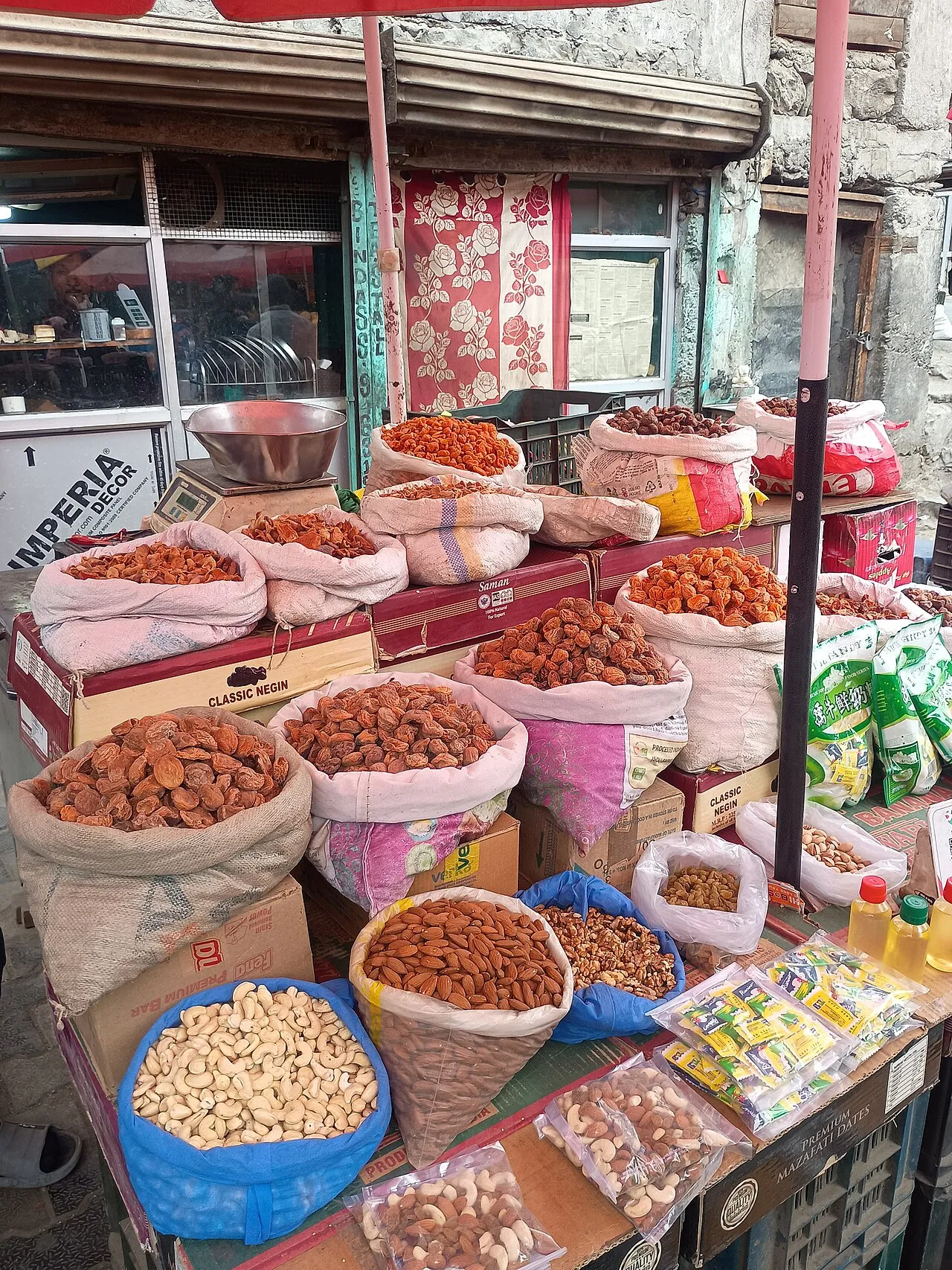
Mavalvala is also particular about the fruit. She specifies khubani, the small, pale, dry apricot sold with its kernel, and says the bones in the meat are what help the flavours come together. Pant's version uses mutton shank and shoulder, and he credits the marrow for his thick gravy.
How do you make salli, the potato straws?
Mavalvala peels the potatoes, slices them as finely as she can, then wraps them in a tea towel and wrings out the water before frying in small batches and salting lightly. Sidhwa grates the potatoes, soaks them, squeezes them dry and deep-fries them until golden, draining them on a kitchen towel. Both cooks squeeze the water out before the potatoes go into the oil. If making salli is too much work, Mavalvala suggests ready-made potato sticks, and Patel suggests crushed salt and vinegar crisps.
Pant scatters the salli on top as a garnish. Patel tells you to serve the curry hot with lots of salli, and fresh rotis if you have them. Add it just before eating so it stays crunchy.
Which vinegar goes into sali boti?
Pant uses a tablespoon of malt vinegar. Patel's recipe in her Substack newsletter calls for Kolah's sugar-cane vinegar and accepts malt vinegar as a substitute, and chef Ranveer Brar's jardaloo salli murghi also uses Kolah vinegar. Saveur's Mirza describes Kolah's as a dark, aged sugar-cane vinegar that most Parsis reach for. Patel balances her vinegar with jaggery. If the gravy turns too sour, she lets the vinegar cook off, and if it is too hot, she adds a little more jaggery.
For the bigger picture of where this dish sits in the community's cooking, read our introduction to Parsi food.
Frequently asked questions
What does jardaloo mean?
Jardaloo means dry apricots, as Zarnak Sidhwa explains in her 2020 recipe for jardaloo salli boti. In Parsi cooking the word turns up in dish names such as Pushpesh Pant's jaradalu ma gosht and FEZANA's jardalu ma marghi, mutton and chicken cooked with apricots. Niloufer Mavalvala specifies khubani, a small, pale dried apricot sold with its kernel.
What is salli in Parsi food?
Salli, also spelt sali, are very thin potato sticks, deep-fried until golden and salted. Pushpesh Pant describes them as matchstick-sized fried potatoes that add crunch to a meat curry. Parsis pile them on sali boti and sali murghi, and Saveur's Meher Mirza notes that they bring both salt and crunch to these sauced dishes.
Can you make sali boti with chicken?
Yes. Perzen Patel says her salli boti tastes best with lamb but can be made with chicken, with the cooking time adjusted. Zarnak Sidhwa's recipe lists boneless chicken as an option too. The chicken dish is usually called sali murghi or jardaloo ma murghi, and Niloufer Mavalvala's version uses bone-in pieces for better flavour.
Can you cook sali boti in a slow cooker?
Yes. Perzen Patel cooks the masala and mutton on the stove, then moves everything into a slow cooker on medium for four to six hours until the meat falls apart. If the gravy turns watery, she reduces it uncovered for about 15 minutes, then adds the vinegar and cooks a couple of minutes more.
Is sali boti served at Parsi weddings?
Often, yes. Perzen Patel writes that salli boti often features on the traditional Parsi wedding feast, and Zarnak Sidhwa calls it a dish for auspicious occasions. The chicken version, sali murghi, is part of the banana-leaf wedding meal described by Niloufer Mavalvala and listed in the wedding chapter of FEZANA's 2012 cookbook.


