 PalV's Kasti
On this page
The Parsi engagement ceremony, called Adravanu (also spelt Adravvun or Adravvu), is the day the two families formally seal a match by exchanging gifts. Ervad Dr Ramiyar Karanjia, writing in 2019, describes it as an exchange of clothes and gifts: the ladies of each house visit the other, a special tray called the dahi machli ni ses is laid out, the couple exchange rings at the girl's house, and the boy stays on for dinner. J.J. Modi's 1922 account is simpler. For him the heart of the betrothal was a gift of silver coins, carried first by the groom's ladies to the bride and then returned by the bride's ladies to the groom. In Bombay, Modi notes, priests took no active part in it, and Karanjia describes the pre-wedding customs as less sacrosanct than religious rituals and done mainly by the ladies of the house.
અસપંદામેદ રોજ
Asfandarmad Roj, Tir Mah · 1396 Y.Z.
What is the Parsi engagement called?
The name is spelt several ways. Modi gives Adrávvun as the modern Parsi term and Nam pádvun as the older one, taking it from the Persian "Namzad kardan", to name. Encyclopaedia Iranica's entry on the ceremony, by M. F. Kanga (1983), gives the same Gujarati word and its Persian equivalent, nāmzadī.
The names don't line up neatly across writers, and it helps to know this before you plan anything. Karanjia treats Rupya paheravanu (which he also calls Nam padvvanu) as a separate, earlier step, and Adravvu as the engagement proper. A 2016 Parsi Times feature calls the formal engagement "Sagan or Adravanu", held at the bride's home with new clothes, jewellery and red bangles for the bride. Noshir Dadrawala, writing in Parsi Times in January 2023, instead calls the Adarni "the more formal engagement". So when an elder in your family says "engagement", ask which day they mean. The money-gift step has its own page on Rupiya Peheravanu, and the red-bangle custom is covered under the Sagan ceremony.
How is the Adravanu ceremony performed today?
Karanjia's account, written for the Jame Jamshed in 2019 and describing Shahenshahi practice, is the most detailed recent account by a priest-scholar that we found. In his order of events:
- The ladies of each family go to the other's house and exchange clothes. In the past, he adds, the gifts could also include furniture and utensils.
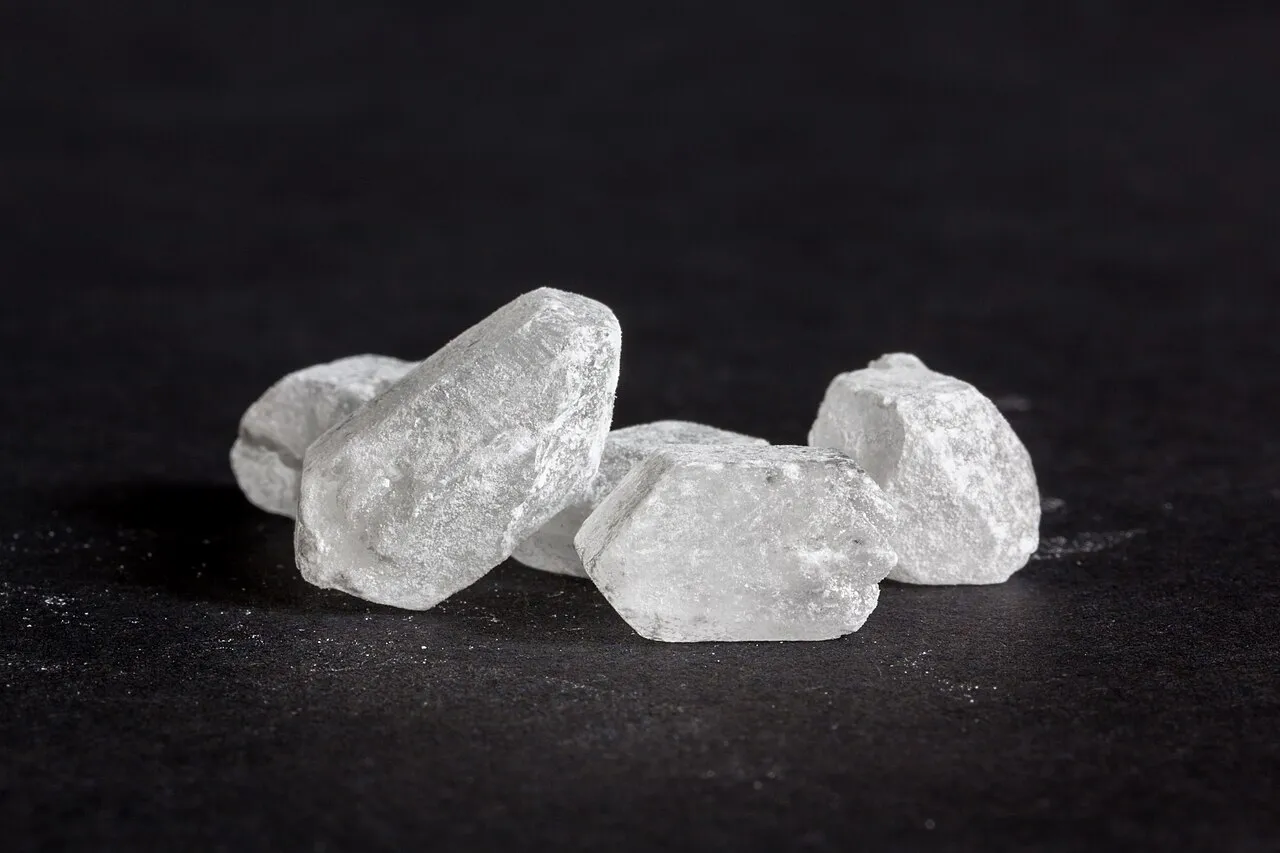
- Both families prepare a dahi machli ni ses. On it go curd, a fish (fresh, or a sweet or chocolate shaped like one), the horoscope, which he calls the tapko, and rock sugar.
- The two families meet at the girl's house, where the couple exchange rings.
- The boy then stays on for dinner with the girl's family.
Karanjia says Adravvu can be held well before the wedding or within the four days of wedding festivities. Curd and fish appear in the older accounts too. Modi says the visiting ladies of 1922 were given a little refreshment of fish, sweets, curd, plantains and sugar, and the Bombay Gazetteer of 1899 lists curds and fish among the "emblems of good luck" carried by the boy's family.
Rings are one point where the sources differ. Karanjia places the ring exchange at Adravvu. Modi wrote that the first wedding rings were "generally presented" on the later Divo day, which he thought more important than the betrothal because the gifts could be prepared at leisure.
Practice varies between families and Agiaries; your family priest's guidance comes first.
How was the betrothal done a hundred years ago?
Modi's 1922 book describes a short day built around money. The groom's ladies went to the bride's house and gave her silver coins. Then the bride's ladies went to the groom's house with a similar present. "These reciprocal presents of silver coins form the only important part of the ceremony," he writes. Nuptial songs were usually sung. Iranica's entry agrees that the essential part was a reciprocal exchange, and lists jewellery and new clothes alongside the silver coins.
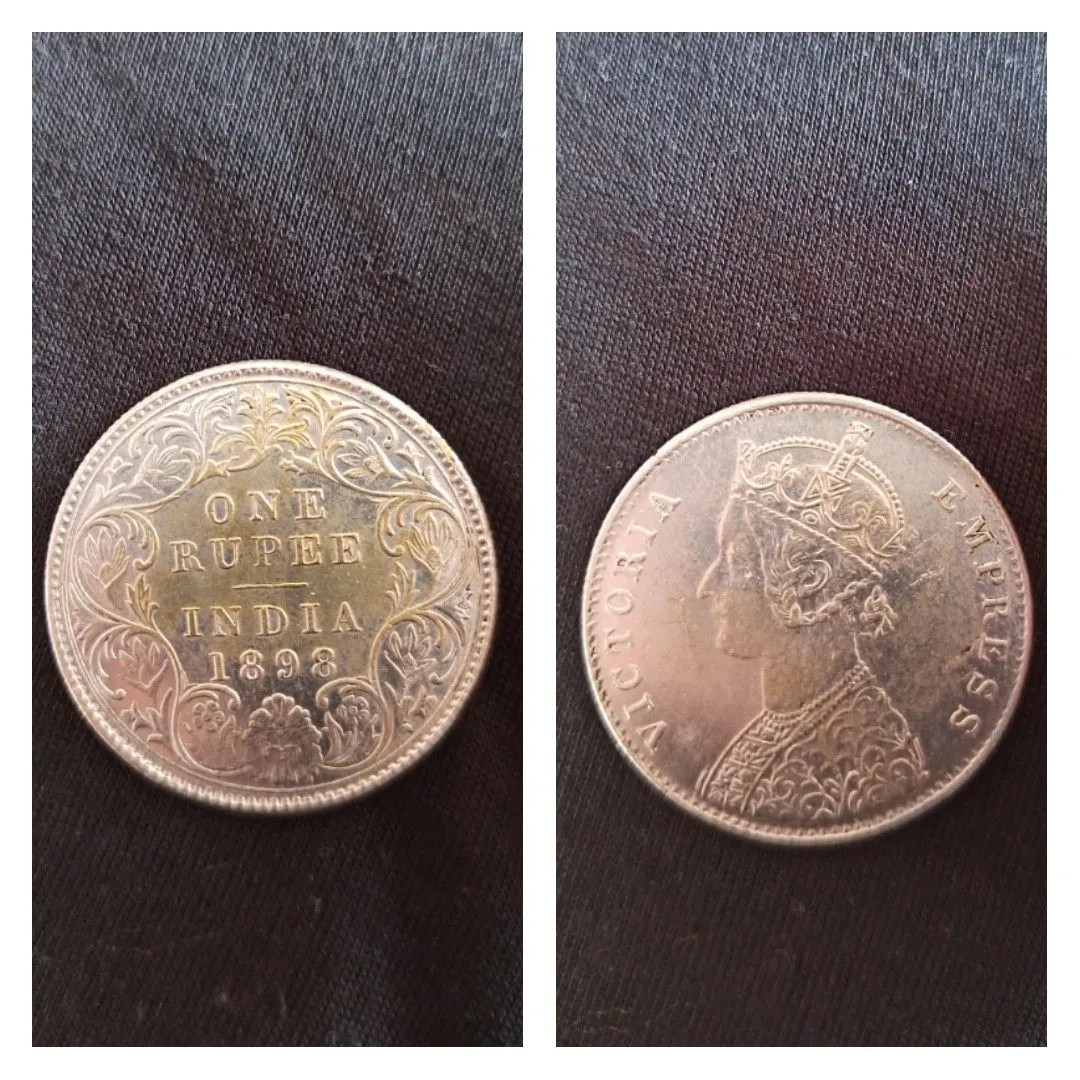
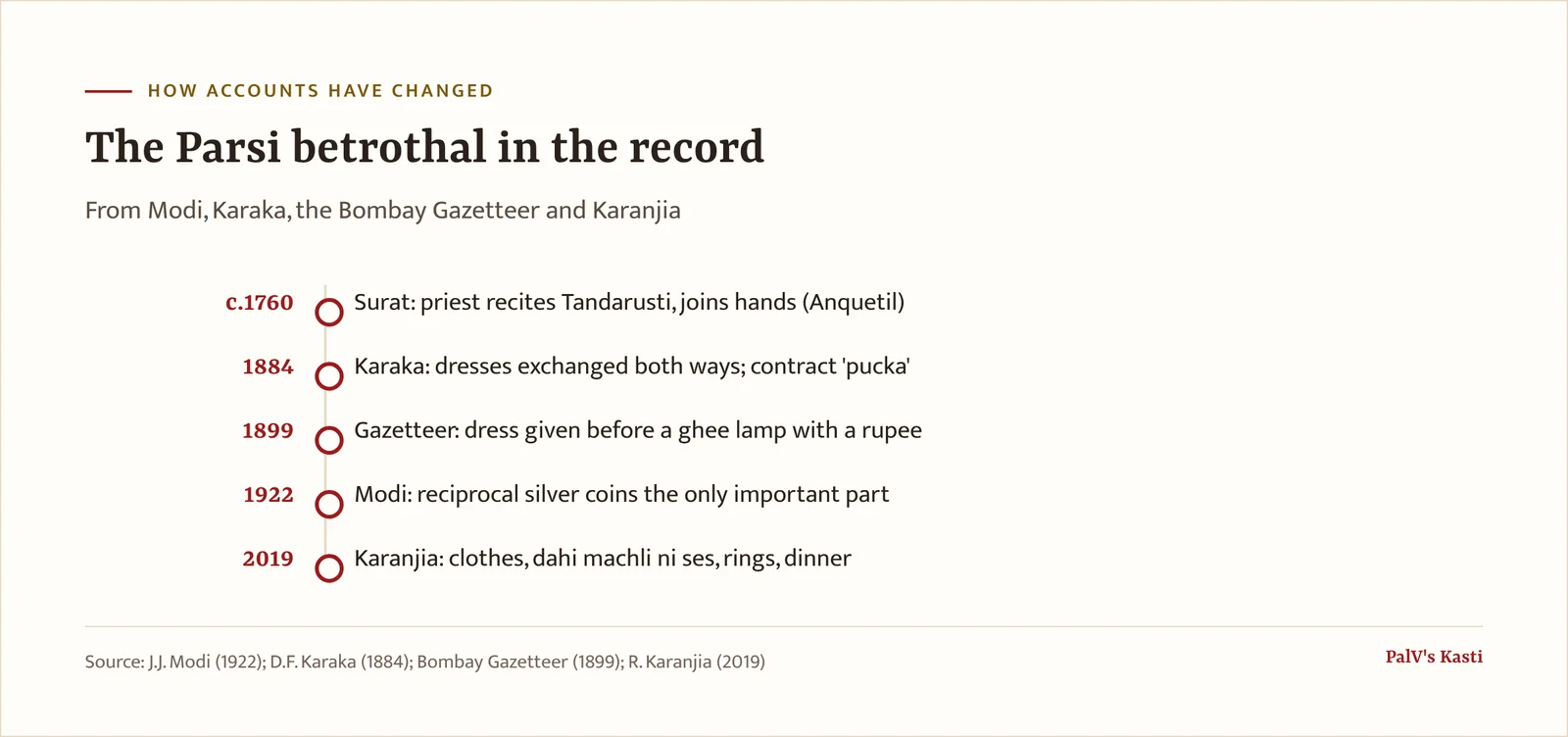
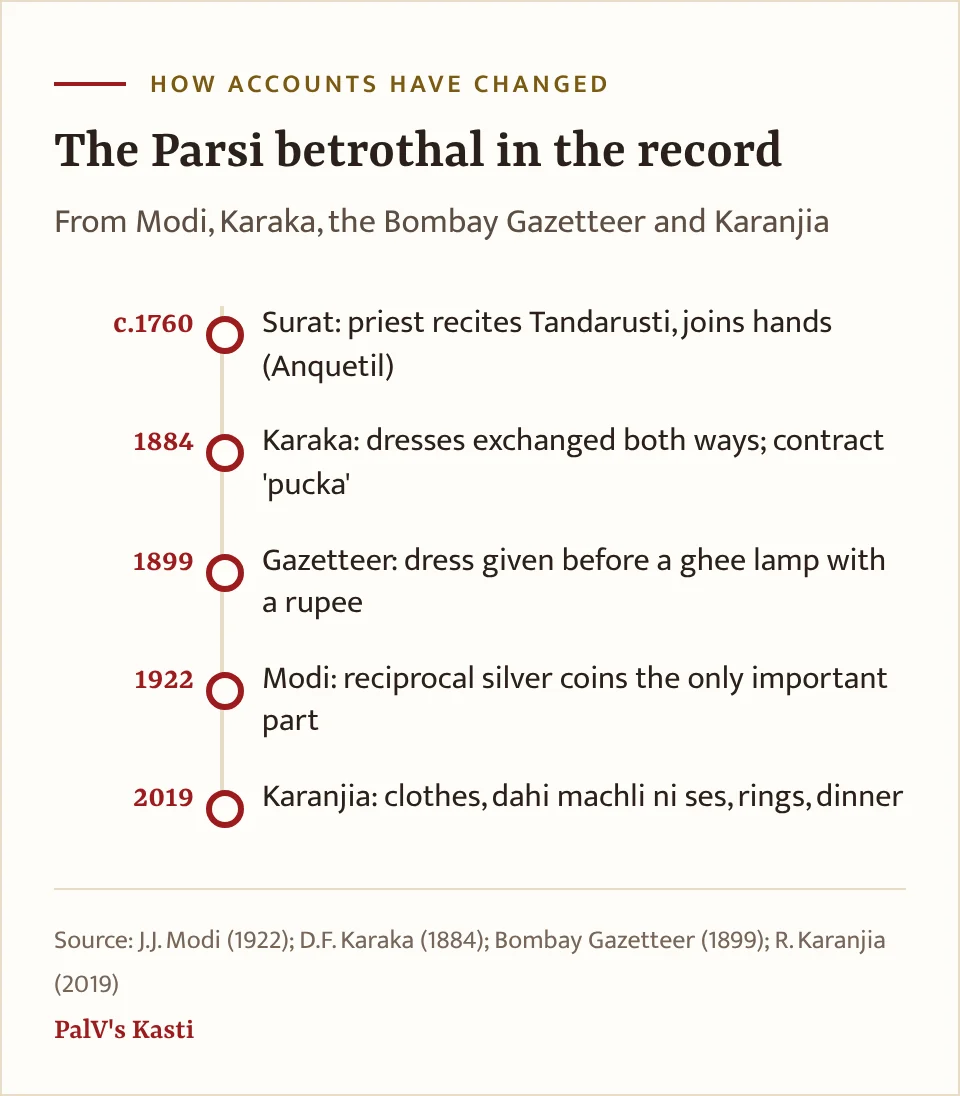
The Bombay Gazetteer of 1899, describing village Parsis of Gujarat, records a fuller version. The women of the boy's family went to "return her horoscope", taking a suit of clothes and silver foot ornaments for the girl. They presented the dress in front of a lighted ghee lamp into which a rupee was dropped. The girl's mother sent the future son-in-law a ring of silver, gold or diamond, a suit of clothes and between Rs. 5 and Rs. 25 in cash. Dosabhai Framji Karaka's History of the Parsis (1884) says there was no ceremony as such: the boy's parents sent the girl a dress, and her parents sent one back.
Is a priest needed for a Parsi engagement?
Not in the accounts we have. Modi notes that in Bombay in his day "the priests do not take any active part" in the betrothal. It had been different earlier. He cites Anquetil du Perron, who lived in Surat around 1760 and recorded the groom's family priest reciting the Tandarusti and placing the couple's hands one in the other. Modi adds that in mofussil towns such as Navsari, the family priest still carried the formal proposal from the groom's family to the bride's, and a priest from the bride's side made the return visit. Karanjia, for his part, says the pre-wedding customs are done mainly by the ladies of the house.
Encyclopaedia Iranica adds one religious step: after the exchange, the couple visits a fire temple to seek blessings. If your family wants prayers or a visit to the Agiary on the day, arrange it with your priest.
Practice varies between families and Agiaries; your family priest's guidance comes first.
How is the engagement date chosen?
Modi lists three days generally thought auspicious: the new moon day, Hormazd roj (the first day of the Parsi month) and Behram roj (the twentieth). He also says families by then often just picked a convenient day. Horoscopes come up in every older source. Karaka (1884) says the day was named by the astrologer, and the 1899 Gazetteer says horoscopes went to an astrologer, "generally a Pársi priest". Modi notes that in mofussil towns some families went to Hindu astrologers. Karanjia (2019) says matching horoscopes "may" be part of the parents' check before they agree. If your family wants an auspicious day, ask your priest.
Was a Parsi engagement considered binding?
Socially, yes. Karaka wrote in 1884 that the exchange of dresses made the marriage contract "pucka" and that it could not then be dissolved. The 1899 Gazetteer put it more carefully: the betrothal was "not legally" binding, but practically so. Modi called it "a solemn ceremony for a marriage contract", and records that after the betrothal a girl's name was joined with her future husband's in religious ceremonies, even if the marriage never took place. These are descriptions of custom in their time, not statements of law.
The engagement is one step in a longer run of customs that also includes the Divo, the Adarni and the four days before the Lagan. Those are covered in our guide to Parsi pre-wedding ceremonies.
Frequently asked questions
What is a Parsi engagement called?
It is called Adravanu, also written Adravvun or Adravvu. J.J. Modi (1922) gives Nam padvun, "to name", as the older term, from the Persian "Namzad kardan". Some writers use other names for the formal engagement: a 2016 Parsi Times feature says "Sagan or Adravanu", while Noshir Dadrawala calls the Adarni the more formal engagement.
What happens at a Parsi Adravanu?
According to Ervad Dr Ramiyar Karanjia (2019), the ladies of each family exchange clothes at each other's homes, both sides prepare a dahi machli ni ses with curd, fish, the horoscope and rock sugar, and the couple exchange rings at the girl's house. The boy then has dinner there. Older accounts centre on gifts of silver coins.
Is a priest needed for a Parsi engagement?
J.J. Modi wrote in 1922 that Bombay priests took no active part in the betrothal, though in towns like Navsari the family priest still carried the formal proposal. Encyclopaedia Iranica says the couple visits a fire temple afterwards. Ask your family priest if you would like prayers on the day; customs differ between families.
Is a Parsi engagement binding?
Older writers treated it as binding in practice. Karaka (1884) said the exchange of dresses made the contract "pucka". The Bombay Gazetteer of 1899 said it was not legally binding but practically so. Modi recorded that a girl's name stayed linked with her betrothed's in religious ceremonies even if the wedding did not happen.
What is the dahi machli ni ses?
It is the tray prepared for the Adravanu. Ervad Dr Ramiyar Karanjia lists curd, a fish (fresh, or a sweet or chocolate fish), the horoscope or tapko, and rock sugar, and says both families prepare one. Curd and fish appear as good-luck items in betrothal accounts from 1899 and 1922 as well.


