 PalV's Kasti
On this page
Varovar is the name given to the eighth day after a Parsi wedding. The one detailed written account we have found is in the Gazetteer of the Bombay Presidency, a government volume on the Parsis and Musalmans of Gujarat published in 1899. It records that on the eighth morning the new wife went to her parents' house and came back in the evening with a large vessel of wheat, its mouth covered with silk. Food from both homes was taken to the sea or a river, and both families fed relatives and friends that evening. Because that 1899 record stands alone, this page keeps to what it says and does not describe present-day practice.
For the other customs that follow a marriage, see our hub on Parsi post-wedding ceremonies.
અસપંદામેદ રોજ
Asfandarmad Roj, Tir Mah · 1396 Y.Z.
What happened on Varovar, according to the 1899 Gazetteer?
The Gazetteer describes the day in a few lines, which we set out as steps.
- In the morning, the bride went back to her parents' home.
- She returned to her husband's home in the evening, bringing a large vessel filled with wheat, with silk over its mouth.
- Sweet-bread and other choice dishes from both households were carried to the seashore or a river bank and offered to what the Gazetteer calls "the water spirits".
- In the evening, each house held a dinner for its relatives and friends.
The Gazetteer doesn't explain the wheat or the silk, and we haven't found a source that does. We'd rather leave the meaning open than guess at it.
Was Varovar a day for gifts?
According to the Gazetteer, yes. A footnote lists 21 occasions on which the groom's parents sent presents to the girl's house, and the "Varovar or eighth day after the marriage" is one of them. The same list includes the betrothal day, the wedding evening, the midnight of the wedding day, the husband's birthday and Jamshedi Navroz. A separate footnote list of five occasions on which the bride's parents sent clothes to the boy's house doesn't include Varovar.
How is the eighth day linked to the madav saro?
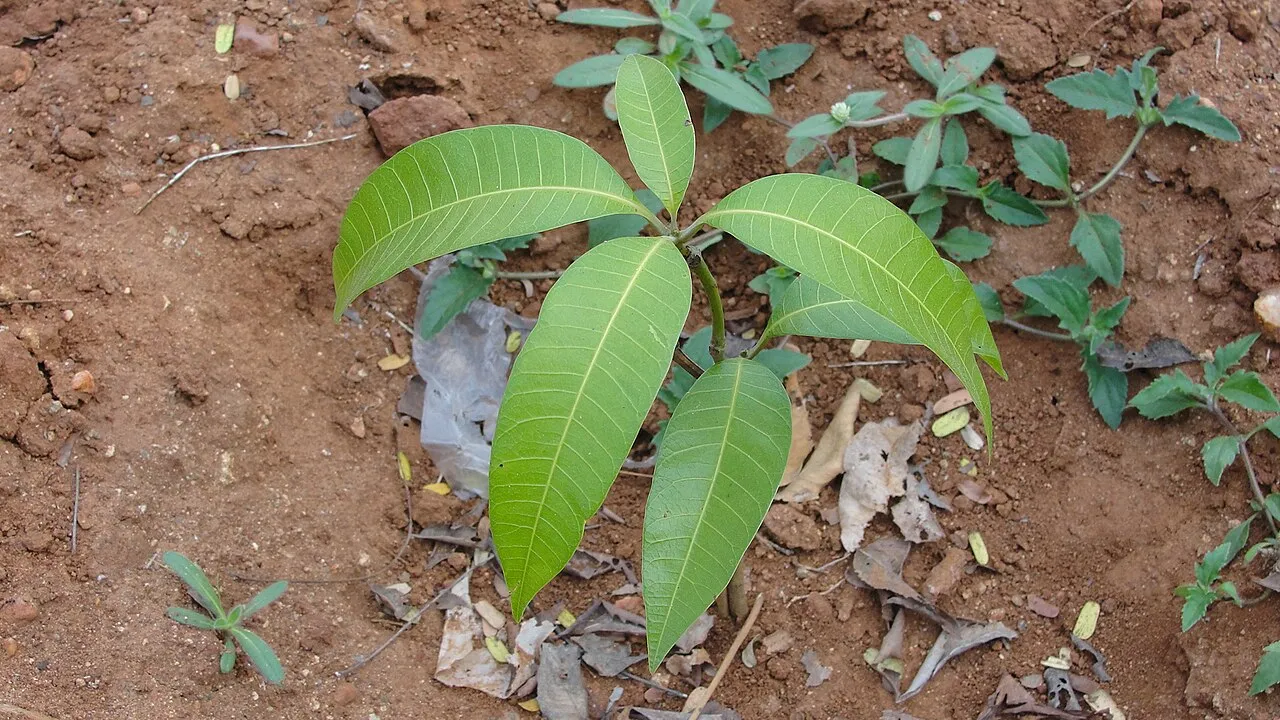
The madav saro is the young tree, usually a mango, that each family plants in a pot before the wedding. Noshir Dadrawala wrote in Parsi Times in January 2023 that the plant is watered every morning until the eighth day after the wedding and is then moved to a courtyard, garden or farm. A Parsi Times feature from November 2016 says the plant is watered each morning for eight days and replanted after the wedding, without saying on which day the eight days begin. Neither article uses the name Varovar.
Is Varovar still kept today?
We can't say how widely. In our own search of the texts, Varovar is not named in J.J. Modi's chapter on marriage in his 1922 book on Parsi ceremonies and customs, or in Dosabhai Framji Karaka's History of the Parsis (1884). We found no recent account from a priest or a community newspaper describing how families keep it now. If your family keeps it, the details will come from your elders and your priest.
For the wedding itself, see our guide to the Parsi wedding.
Practice varies between families and Agiaries; your family priest's guidance comes first.
Frequently asked questions
What is Varovar in a Parsi wedding?
Varovar is the eighth day after a Parsi wedding. The Gazetteer of the Bombay Presidency (1899) records the bride visiting her parents that morning and returning in the evening with a vessel of wheat covered in silk, food from both families being offered at the sea or a river, and a dinner at both homes.
When is Varovar done?
The Bombay Gazetteer of 1899 places it on the eighth day after the marriage. Noshir Dadrawala, writing in Parsi Times in 2023, gives the same day as the end of the madav saro plant's daily watering. If your family keeps the custom, confirm the day with your elders and your priest.
What does the bride bring back on Varovar?
According to the Gazetteer of the Bombay Presidency (1899), the bride came back from her parents' house in the evening with a large vessel filled with wheat, its mouth covered with silk. The Gazetteer does not explain the meaning of the wheat or the silk, and we have not found a source that does.
Do the families exchange gifts on Varovar?
The 1899 Bombay Gazetteer lists Varovar among 21 occasions when the groom's parents sent presents to the bride's family. It is not on the Gazetteer's shorter list of five occasions when the bride's parents sent clothes to the groom's home. Gift customs differ between families, so it is worth asking elders on both sides.


