 PalV's Kasti
On this page
Before a Parsi wedding come two sets of customs. Ervad Dr Ramiyar Karanjia, principal of the Dadar Athornan Institute, describes the first set as three customs with no fixed date: Rupiya Peheravanu, an exchange of money gifts that marks the families' formal coming together; Adravanu, the engagement, with clothes, gifts and rings; and Divo Adarni, when the bride's family takes gifts to the groom's home. The second set fills the four days before the wedding. Karanjia lists Madav Saro and the Supra ni reet on day one, the Varadh-patra baj for the departed on day two, a quiet khichdi day on day three, and the wedding on day four, which begins with the Nahan, the sacred bath. He says most of these customs are done by the women of the house; the Varadh-patra baj is held at the fire temple.
અસપંદામેદ રોજ
Asfandarmad Roj, Tir Mah · 1396 Y.Z.
Are Parsi pre-wedding customs religious?
Mostly not, by the account of two writers on Parsi ritual. Karanjia, writing in his Tell Me Why column for Jame Jamshed in 2019, calls the customs before the marriage "socio-religious in nature" and says they are not as sacrosanct as religious rituals. Their purpose, in his words, is bonding between the two families and keeping invited guests involved. He adds that the women of the house do most of them.
Noshir H. Dadrawala, writing in Parsi Times on 7 January 2023, says much the same: Parsi pre-wedding ceremonies are simple compared with other communities, and are "more cultural rather than religious". Two parts of the four days are plainly religious. Karanjia places the Varadh-patra baj at the fire temple, and both he and J.J. Modi, in his 1922 book on Parsi ceremonies and customs, describe the Nahan as a sacred bath for the bride and groom on the wedding day.
Which customs come first, months before the wedding?
Karanjia describes three, in this order. None has a fixed date, and he says Adravanu and Divo Adarni can also be done during the four days before the wedding if they weren't done earlier.
- Rupiya Peheravanu (also written Rupyā paherāvānu or Rupia Peravanu). Karanjia says it can come days, months or even years before the wedding, once the parents agree to the match. It is a simple exchange of money gifts, done in the morning, first at the girl's house and then at the boy's; in the past, he notes, a silver coin was given in a brocaded bag. Dadrawala calls it the unofficial engagement.
- Adravanu, the engagement. In Karanjia's account the women of each family exchange clothes and gifts, both families prepare a dahi machli ni ses with curd, fish and rock sugar, and the couple exchange rings at the girl's house. Our post on the Parsi engagement ceremony covers it step by step.
- Divo Adarni. Karanjia writes that the bride's family takes gifts, called rit, to the groom's house. What happens with the lamp is covered in our post on Divo Adarni.
Sources don't all draw these lines in the same place. Modi treats the reciprocal silver coins as the betrothal itself, and says the first wedding rings are generally given on the Divo day, not at the betrothal. Dadrawala calls Adarni "the more formal engagement". Families who follow one account may find another family calls the same day by a different name.
What happens in the four days before a Parsi wedding?
Modi wrote in 1922 that marriage festivities "generally last for four days". Karanjia gives the same four-day frame for the Shahenshahi tradition, which is the one he describes. He notes that the Kadmi and Irani ceremony differs.
| Day | Custom (Karanjia, 2019) |
|---|---|
| Day 1 | Madav Saro (a mango twig planted in the garden or a pot near the door) and the Supra ni reet with turmeric, at each home separately |
| Day 2 | Varadh-patra baj for the departed and a Baj for Ram Yazad at the fire temple; the Ukardi game in the evening |
| Day 3 | Khichdi day, a rest day with light food |
| Day 4 | Nahan (sacred bath), then the wedding, generally after sunset |
Day one: Madav Saro and Supra ni reet
Both Modi and Karanjia put Madav Saro on the first day, with a twig, generally of mango, planted near the door. Modi reads it as a wish for fertility; Karanjia says it marks the start of building the mandav, the pandal for guests. Who plants it and what goes into the pot is in our Madav Saro post.
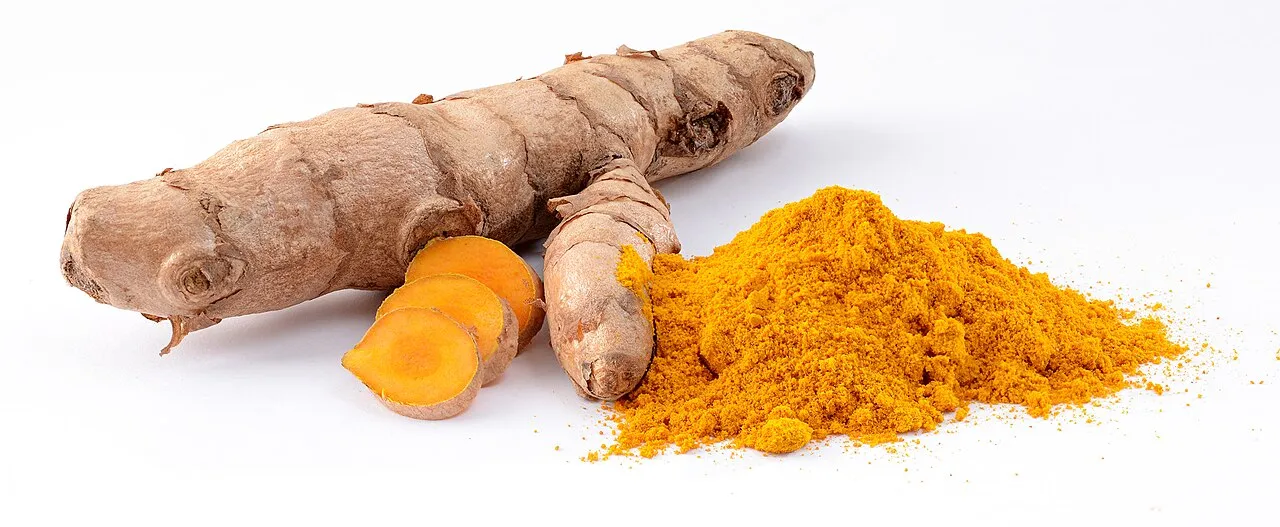
Karanjia places the Supra ni reet on the same day: married women prepare turmeric, which is applied to the bride and groom at their own homes. Dadrawala likens it to the Hindu haldi. The items used and the order of the custom are in Supra ni reet and Haldi.
Day two: what is Varadh patra?
Varadh-patra is the part of the four days given to the family's departed. Karanjia writes that the Varadh-pattar ni baj is held at the fire temple to remember the family's departed, who are invited in a symbolic sense and whose blessings are asked for the wedding. Satum is recited over a special sweet called varadh, a word he traces to the Gujarati vruddhi, prosperity. A Baj for Ram Yazad is done too, since, he writes, Ram Yazad presides over marriage and joy.
Modi describes the second and third days together as Varadh-patra days, "when religious ceremonies in honour of the dead are performed". The Gazetteer of the Bombay Presidency, in its 1899 account of the Parsis of Gujarat, also records a day before the wedding spent in rites by priests for the ancestral spirits, who are called to bless the marriage.
Karanjia also records a lighter side. In the evening, youngsters from the bride's and groom's sides play Ukardi, trying to "steal" the eatables offered at the Varadh while the other side throws water to stop them.
Day three: khichdi no divas
Karanjia calls the third day a rest day. Khichdi is cooked because it is light and easy to digest, and nothing significant is done. The 1899 Gazetteer describes a fuller custom shortly before the wedding, in which the boy and girl eat khichri with four married girls from a dish holding a lighted wick fed with clarified butter.
Day four: the Nahan and the wedding
Modi and Karanjia both begin the wedding day with the Nahan, a sacred bath for the bride and groom. Karanjia notes that a groom who is a priest is not expected to take it. Both also say the wedding is generally performed in the evening after sunset; Karanjia places it at the start of the Aiwisruthrem geh. Karanjia adds that some people now hold the ceremony in the morning as well, and Dadrawala writes that many now choose a morning ceremony. What happens on the stage belongs to our guide to Parsi wedding day ceremonies.
Practice varies between families and Agiaries; your family priest's guidance comes first.
Did the pre-wedding calendar always look like this?
Not in every account. The Gazetteer of the Bombay Presidency, printed at the Government Central Press in Bombay in 1899, describes a longer run-up among the Parsis of Gujarat. Its order was:
- turmeric-pounding on a lucky day ten to fifteen days before the wedding, by four young married women chosen at each house, while songs were sung
- the mandav or booth-building ceremony about eight days before the wedding, with mango twigs planted near the entrance of each house
- the Adarni, either before or after the turmeric-pounding, and sometimes on the wedding day itself
- the wedding on the fourth day of the final festivities
The Gazetteer adds that the days between the turmeric-pounding and the wedding were set apart for merrymaking, with no ceremonies held for the dead. The same account also records the day of priestly rites for ancestral spirits just before the wedding, and does not explain how the two fit together. Karanjia's 2019 account, by contrast, puts Madav Saro and the turmeric on the same first day of four.
How is the wedding date chosen?
Dosabhai Framji Karaka, in his History of the Parsis (1884), wrote that certain days in the year were thought propitious, which is why many weddings fell on the same day. Modi, in 1922, says that in some families an astrologer still chose the day, and lists the new moon and full moon days as auspicious. He alone adds that Tuesdays were held inauspicious.
For the practical side, start by fixing the date with your family priest. Karanjia writes that choosing the priests who perform the wedding is the groom's family's prerogative. Then book the hall or baug and count back four days for the festivities. Our Parsi wedding preparations list covers what families buy before the wedding.
Frequently asked questions
What are the pre-wedding rituals of a Parsi wedding?
Ervad Dr Ramiyar Karanjia lists Rupiya Peheravanu, Adravanu and Divo Adarni, done any time before the wedding, and then four days of festivities: Madav Saro and the Supra ni reet on day one, the Varadh-patra baj on day two, khichdi day on day three, and the Nahan and wedding on day four.
How many days do Parsi wedding ceremonies last?
J.J. Modi wrote in 1922 that Parsi marriage festivities generally lasted four days, with the wedding on the last. Karanjia gives the same four days in 2019. The engagement customs before them have no fixed date. The 1899 Bombay Gazetteer records Gujarat Parsis starting with turmeric-pounding ten to fifteen days before the wedding.
Are Parsi pre-wedding customs religious?
Mostly they are family and social customs. Karanjia calls them socio-religious and less sacrosanct than religious rituals, and Noshir Dadrawala calls them more cultural than religious. The Varadh-patra baj, which Karanjia says is done at the fire temple, and the Nahan, the sacred bath on the wedding day, are the clearly religious parts.
What is Varadh patra?
Varadh-patra is a fire-temple ceremony in memory of the family's departed, held before the wedding so their blessings are sought. Karanjia says Satum is recited over a sweet called varadh and a Baj for Ram Yazad is done on the second day. Modi calls the second and third days Varadh-patra days, set aside for ceremonies honouring the dead.
Do the engagement customs have a fixed date?
No. Karanjia writes that Rupiya Peheravanu can come days, months or even years before the wedding. Adravanu can be done well before the marriage or during the four days of festivities, and Divo Adarni any time before, or within those four days if it was not done earlier. Families fix these days between themselves.


