 PalV's Kasti
On this page
The Sagan is the Parsi custom of marking a happy occasion with auspicious things. As Ervad Dr Ramiyar Karanjia describes it at the end of a Navjote, a red kumkum mark, the tilo, is put on the forehead, a few grains of rice are placed on it, a garland goes round the neck, and the child is handed a coconut, betel leaf, betel nut and an envelope of money. J.J. Modi (1922) and Karanjia both say the mark is long and upright for a man and round for a woman, and Modi describes a fresh mark and rice for the groom at the bride's door on the wedding day. Karanjia traces the word to the Sanskrit shagun, meaning auspicious. The name Teeli ni reet, which you may see used for this custom, does not appear in the published sources we checked.
શહેરેવર રોજ
Shehrevar Roj, Tir Mah · 1396 Y.Z.
What does "Sagan" mean?
In his note on the Ses, Ervad Dr Ramiyar Karanjia explains that Parsis use the word sagan for auspicious things, and that it can be traced back to the Sanskrit shagun. In his account of the Navjote he uses it for the mark, garland and gifts given to the child.
Is it part of the religious rite? The two writers frame it differently. Modi, describing the Navjote tray in The Religious Ceremonies and Customs of the Parsees (1922), says the coconut, betel, sugar candy, rice, garland, kumkum and money have no part in the religious ceremony and are seen in India as emblems of good luck. Karanjia, in his 2020 account, calls the mark and the gifts the final act of the Navjote ritual. Writing in Jame Jamshed in 2019 about the customs before a wedding, he calls them socio-religious, meant to bring the families together, and not as sacrosanct as the ritual itself.
What is the tilo, and why is it long for men and round for women?
The red mark is the heart of the Sagan. Karanjia calls it the kanku-no-tilo. If you have heard the custom called Teeli ni reet, "ni reet" means "the custom of", as in Karanjia's gloss of the Suprā ni rit; we found no published source that uses the full name. The kumkum is kept in the pigani, a small lidded metal pot that sits in the Ses.
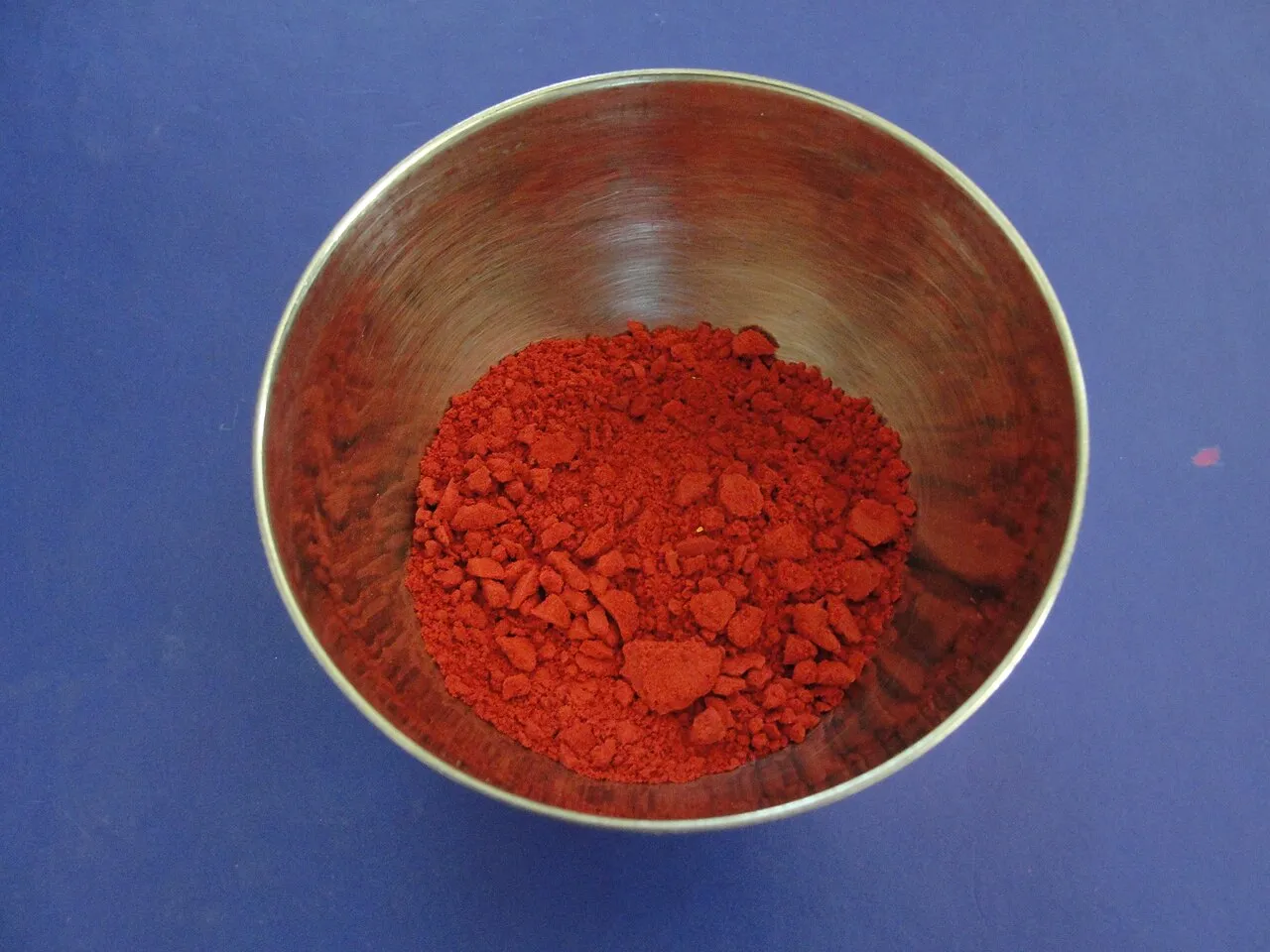
Both Modi and Karanjia record the same rule for its shape. A man or boy gets a long, upright mark and a woman or girl a round one. Modi's explanation, written about the bride and groom, is that the upright mark stands for a ray of the sun and the round one for the moon. Karanjia gives the same reading: the sun's rays for energy and giving, the moon for beauty and receptivity. Modi records the same shapes for a child at the Navjote.
Rice goes on next. Modi describes a few grains being stuck onto the still-moist kumkum and the rest thrown over the head, and calls rice the symbol of plenty and prosperity. Karanjia says the rice is placed on the red mark to signify plenty.
Practice varies between families and Agiaries; your family priest's guidance comes first.
How is the Sagan performed?
The fullest published account of the order comes from the Navjote. Karanjia describes the final act of that ritual like this:

- The chief priest puts the red kanku-no-tilo on the child's forehead.
- He places a few grains of rice over the mark.
- A garland is put round the child's neck.
- The child is given a coconut, a betel leaf, betel nut (sopari) and an envelope of money to hold. Karanjia calls all of these symbols of the auspicious occasion, the sagan.
- A bouquet is placed in the child's hands or lap, and for a girl a folded sari is draped over the shoulders.
Modi's 1922 account agrees on the main point: the officiating priest makes the mark, long for a boy and round for a girl, and then hands over the coconut, flowers, betel leaves and areca nuts. He adds that the money on the Navjote tray is taken by the family priest at the end, as part of his fee. More on the day itself is in our guide to the Navjote ceremony.
At home the practical side is simple. Keep the Ses ready before the guests arrive, with the kumkum in its pigani, rice, a garland and the coconut and betel within reach, and decide in advance who in the family will do the honours.
Practice varies between families and Agiaries; your family priest's guidance comes first.
When is a Sagan done at a Parsi wedding?
On the wedding day the sources place the red mark at the welcome. Modi describes the groom arriving at the bride's house and standing at the threshold, where the bride's mother makes a fresh kumkum mark on his forehead, sticks rice to it and throws more rice over his head. The 1899 Gazetteer of the Bombay Presidency pictures the groom setting out with a red mark on his brow, a garland of flowers and a coconut in his right hand. Karanjia, writing in 2019, says both bride and groom come to the stage with the kumkum mark and a garland.
Modi's account of the same welcome at the threshold goes on to an egg, a coconut and a tray of water passed round the groom's head. That custom has its own post: see Achoo Michoo.
Practice varies between families and Agiaries; your family priest's guidance comes first.
What goes on the Sagan tray (the Ses)?
Karanjia describes the Ses as a round metal tray, small for everyday use and large for weddings and Navjotes. He lists what it carries and what each item is said to stand for:
| Item | What Karanjia says it stands for |
|---|---|
| Paro (cone-shaped holder for patasha or rock sugar) | Sweetness and good nature |
| Pigani (kumkum pot) | Self-sacrifice |
| Gulabaz (rose-water sprinkler) | Good deeds spreading like fragrance |
| Coconut | Resourcefulness and helpfulness |
| Rice | Prosperity and plenty |
| Betel leaf and betel nut | Fertility |
| Kharak (dried dates) | Adjustment, since the date palm grows almost anywhere |
| Sakar (rock sugar) | Sweetness |
| Fish, fresh or a sweet in fish shape | Water, life and flexibility |
He also lists almonds, curd and other dry fruit, and notes that metal replicas now often stand in for the real things. For a Navjote the tray is bigger because it also holds the child's new clothes. Modi, too, calls fish a symbol of good omen and luck, and says no wedding feast is complete without it. The fish dish itself is covered in our page on Sagan ni machhi. UNESCO Parzor adds that, by Parsi tradition, a woman carries into her married home a silver Ses given by her father.
Practice varies between families and Agiaries; your family priest's guidance comes first.
Frequently asked questions
What is a Parsi Sagan?
A Sagan is the Parsi good-luck welcome. A red kumkum mark goes on the forehead with rice on it, a garland goes round the neck, and the person holds a coconut, betel leaf, betel nut and money. Ervad Ramiyar Karanjia describes it at the Navjote, and J.J. Modi at the groom's welcome on the wedding day.
Why is the tilo long for men and round for women?
J.J. Modi (1922) and Ervad Ramiyar Karanjia both explain the shapes through the sun and the moon. The long upright mark on a man stands for a ray of the sun, and the round mark on a woman stands for the moon. Modi records the same shapes for a boy and a girl at the Navjote.
Is the Sagan a religious ritual?
The sources frame it differently. J.J. Modi wrote in 1922 that the coconut, betel, kumkum and money on the Navjote tray have nothing to do with the religious part and are emblems of good luck. Ervad Ramiyar Karanjia calls the mark and gifts the final act of the Navjote ritual, performed by the chief priest.
Who does the Sagan at a Navjote?
According to Ervad Ramiyar Karanjia, the chief priest does it at the end of the Navjote. He applies the red mark, places rice on it, and the child is garlanded and given a coconut, betel leaf, betel nut and an envelope of money. Modi's 1922 account also has the officiating priest making the mark and handing over these items.
What does the word Sagan come from?
Ervad Ramiyar Karanjia traces sagan to the Sanskrit word shagun, which means auspicious. He says Parsis use the word for auspicious things, and in his account of the Navjote it covers the red mark, the garland, the coconut, betel and money given to the child. Karanjia calls the red mark itself the kanku-no-tilo.


