 PalV's Kasti
On this page
"Religious adultery" is a phrase used by Ervad Marzban J. Hathiram, a priest, in an article on his website Frashogard of 24 August 2009. He used it for a Parsi worshipping the god of another faith: keeping that god's idol or picture at home, attending another religion's ceremony, or eating its prasad. It is not his word for intermarriage, and the article does not point to any scripture that uses the phrase. His reasoning was that the Navjote binds a child to one faith, as a wedding binds two spouses. Critics have answered him in Parsi Times letters, one of which called the label "shameful and in bad taste".
અસપંદામેદ રોજ
Asfandarmad Roj, Tir Mah · 1396 Y.Z.
Where does the phrase "religious adultery" come from?
The phrase appears in Hathiram's post "Parsis and religious adultery", on his site Frashogard. The post is dated 24 August 2009. He wrote it, he says, as that year's Muktad prayers were ending and Khordad Sal, the Prophet's birthday, arrived.
His argument starts from the Navjote. In his telling, a child at the Navjote makes a vow to the Fravashi of Prophet Zarathushtra to follow "the Mazdayasni Zarathushtrian faith only". He then compares this to the Ashirwad, where bride and groom promise to stay faithful to each other. "In a sense, therefore, the Navjote is much like a marriage," he writes. If being unfaithful to a spouse is adultery, he argues, then turning to the gods of another faith after one's Navjote is unfaithfulness of a religious kind.
What did Hathiram count as religious adultery?
His definition names four things:
- worshipping a god of another faith
- keeping an idol or photograph of such a god in a Parsi home
- attending a religious ceremony of another faith
- eating the holy food, or prasad, of such a ceremony
Writing from his visits to Parsi homes for Jashans and other ceremonies, he put the share of Parsis who do at least one of these at "nearly 90%". That figure is his own estimate, not a survey.
He tied idol worship to "ozdist parasti", which he says the Patet Pashemani names among serious sins. He also set out his belief that each place of worship carries vibrations suited to those born into its faith, and gave this as the main reason non-Parsis are kept out of fire temples.
Practice varies between families and Agiaries; your family priest's guidance comes first.
Is "religious adultery" the same as marrying a non-Parsi?
No. In the 2009 article the phrase covers worship and ritual, not marriage. The link to intermarriage was made by a reader. In the comments below the post, one reader wrote of seeing religious adultery "as an extension of inter-marriage", reasoning that children at ease bowing to other gods would think little of marrying out.
Hathiram wrote about intermarriage separately. In "Can we attend such 'Navjotes'?", posted on Frashogard on 13 October 2016, he said a union between people of two faiths is "strictly discouraged" in Zoroastrianism, and that the rule is the same for men and women. He did not call such a marriage adultery. His reasons, and the replies, are in our piece on the Parsi intermarriage debate.
Practice varies between families and Agiaries; your family priest's guidance comes first.
What do critics of the term say?
The objections we found on record come from letters to Parsi Times.
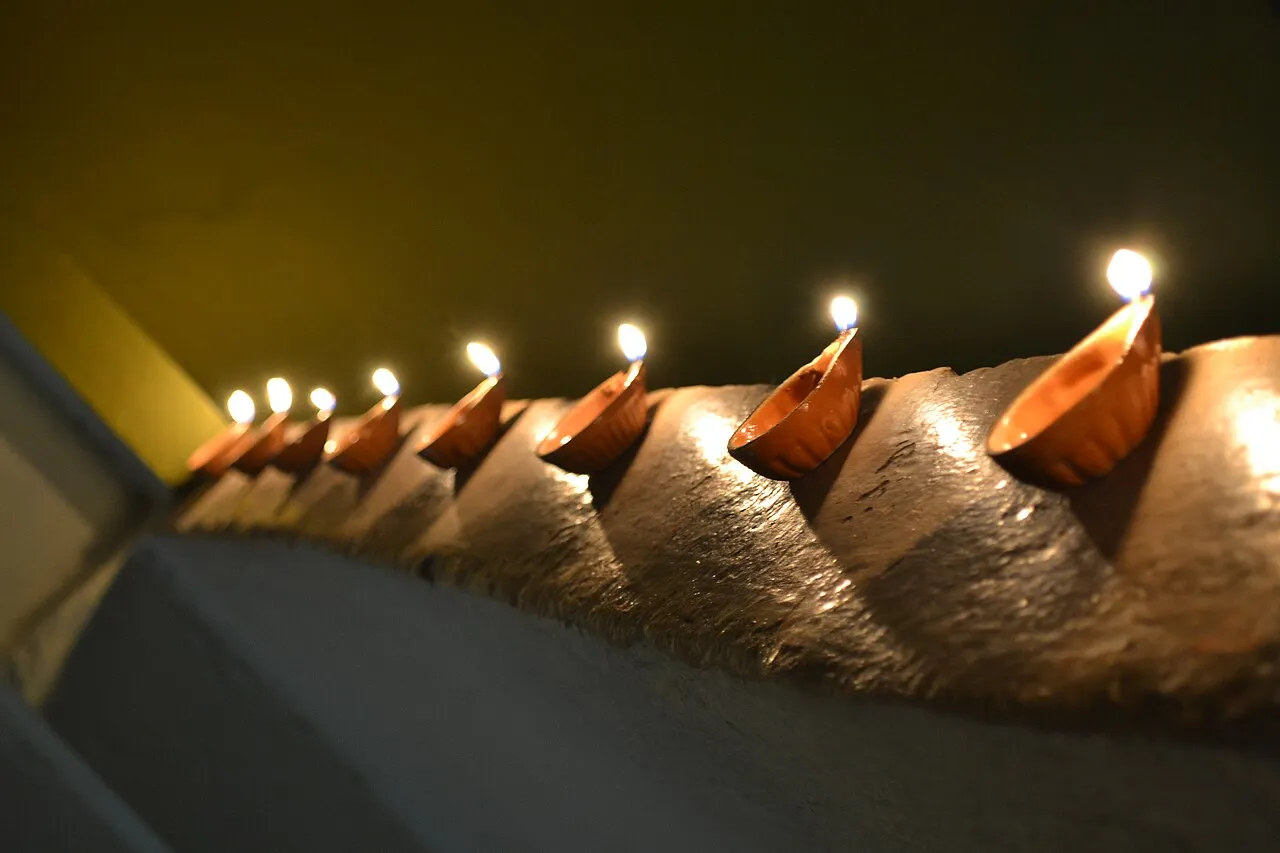
A letter signed Piroja, published by Parsi Times on 25 February 2017 under the heading "On Religious Adultery", took the term on directly. The writer said Parsis invited to share in other communities' festivals were being told that accepting their prasad was religious adultery, and that even lighting Diwali lamps outside the door had been given that name. The letter called it "shameful and in bad taste" to give that name to well-meant acts of humanity.
In a letter of 10 October 2020 on intermarriage, Piroja Homi Jokhi wrote that she hoped young Parsis would marry within the community, but that a marriage between people of different religions "is not adultery" and is nothing illicit to be condemned.
These are a priest's published view and a reader's published replies. We have not found a statement on the term from the Bombay Parsi Punchayet or the high priests.
How does this fit into the wider question of marrying out?
The law and the priests' positions on marrying a non-Parsi are in our main guide, Can Parsis marry non-Parsis. Why children of Parsi fathers and of Parsi mothers are treated differently is covered in Parsi patrilineal lineage, and the older court cases in our article on Half-Parsis.
Frequently asked questions
What is religious adultery in Zoroastrianism?
It is a phrase Ervad Marzban Hathiram used in a 2009 Frashogard article. He meant a Parsi worshipping another faith's god, keeping that god's idol or picture at home, attending its ceremonies, or eating its prasad. He likened the Navjote vow to wedding vows. His article does not cite a scripture that uses the phrase.
Who uses the term religious adultery?
The source we could trace is Ervad Marzban J. Hathiram's post "Parsis and religious adultery", dated 24 August 2009 on his website Frashogard, where he defines it and argues for it. A Parsi Times letter signed Piroja criticised the term in February 2017, and Piroja Homi Jokhi wrote in October 2020 that an interfaith marriage is not adultery.
Does marrying a non-Parsi count as religious adultery?
Not in Hathiram's own definition, which covers worship and ritual, not marriage. One reader linked the two in the comments on his 2009 post. Hathiram wrote separately, in 2016, that a marriage between two faiths is strictly discouraged for both men and women. A 2020 Parsi Times letter-writer replied that such a marriage "is not adultery".
Can a Parsi accept prasad or attend a friend's puja?
Views differ. Hathiram wrote in 2009 that eating prasad or attending another faith's ceremony is religious adultery. A Parsi Times letter of February 2017 called that label shameful and described such acts as well-meant acts of humanity. Practice varies between families and Agiaries, so your family priest's guidance comes first.


