 PalV's Kasti

On this page
- Why do Parsis eat dhansak on Sundays?
- What makes dhansak a Parsi comfort food?
- What is served with dhansak at a Parsi Sunday lunch?
- Why does a Sunday dhansak lunch end in a nap?
- How does dhan-sak carry Parsi family memories?
- If dhansak is so loved, why is it kept away from weddings?
- Frequently asked questions
Dhansak is the Parsi Sunday lunch because it is a slow, filling dish of lentils, meat and vegetables that suits a day when the whole family is home. Writers in India and Pakistan describe it the same way. In Dawn, food columnist Bisma Tirmizi wrote that dhansak is thought of as "the best of comfort foods" and is cooked for Sunday lunches. Chef Anahita Dhondy, writing in the Deccan Chronicle, called it "pure comfort food" that is usually had on Sundays. It comes with caramelised brown rice, kebabs and kachumber, and four of the writers we read end the meal with an afternoon nap. If you are new to the dish itself, start with our guide to Dhansak.
અસપંદામેદ રોજ
Asfandarmad Roj, Tir Mah · 1396 Y.Z.
Why do Parsis eat dhansak on Sundays?
Time is the plainest reason. Dhansak dal is made from a mix of lentils, and Tirmizi's Dawn recipe soaks them for four to six hours before they are cooked down with meat and vegetables. Anahita Dhondy recalled that in her grandmother's day the pot "used to be put on at breakfast time" and was ready by lunchtime. On a Sunday, that is no trouble.
The second reason is who sits at the table. Outlook Traveller says dhansak became tied to "Sunday lunches in Parsi homes" because the unhurried cooking let families gather and stay on into the afternoon. Beyniaz Edulji, writing for NewsMeter in 2025, says that in most Parsi homes someone will announce: "If it's Sunday, there must be Dhansak for lunch."
For some families the habit is fixed. Perzen Patel, who writes as Bawi Bride, titled her essay on the dish "Doesn't everyone eat dhansak on Sundays?" and wrote that she already knew what was for Sunday lunch because it was always the same.
What makes dhansak a Parsi comfort food?
Dhansak is filling. A full Sunday plate puts rice and fried kebabs on top of a dal of lentils, vegetables and meat, and Edulji wrote that it is so rich people keep taking helpings after they are full.
The comfort is also emotional. Dhondy wrote that after a plate of dhansak a person feels happier and "healed". Perzen Patel put it more personally: as a Parsi, she wrote, the dish is "fused to my identity", and cooking something her parents, grandparents and great-grandparents ate is a comfort in itself. Outlook Traveller calls it "both comfort food and mourning food".
Outsiders notice. Dhondy said the first thing people ask a Parsi is where to find good dhansak, and Perzen Patel wrote that when she told people she was Parsi, they asked her to cook it for them. For the wider table it sits on, see our page on Parsi food.
What is served with dhansak at a Parsi Sunday lunch?
Across the sources we read, the Sunday plate is built from the same few parts:
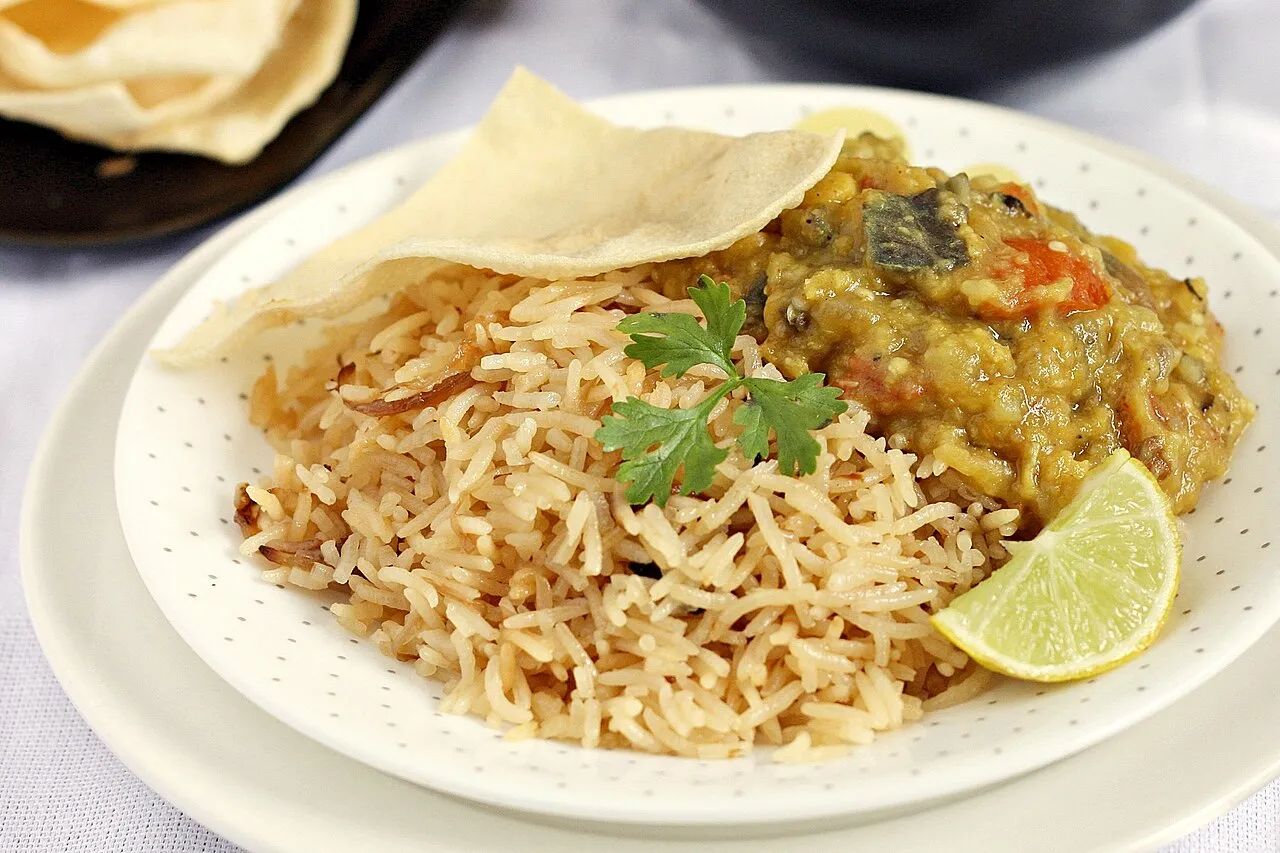
- Caramelised "brown" rice. Outlook Traveller calls it vugharela chawal. Perzen Patel points out it is not brown rice at all but white rice caramelised with jaggery, and Sona Bahadur's account of a Sunday lunch also describes caramelised white rice.
- Kebabs. Dhondy describes small round fried kebabs of chicken, mutton or sometimes prawn. Bahadur's hosts served golden prawn ones.
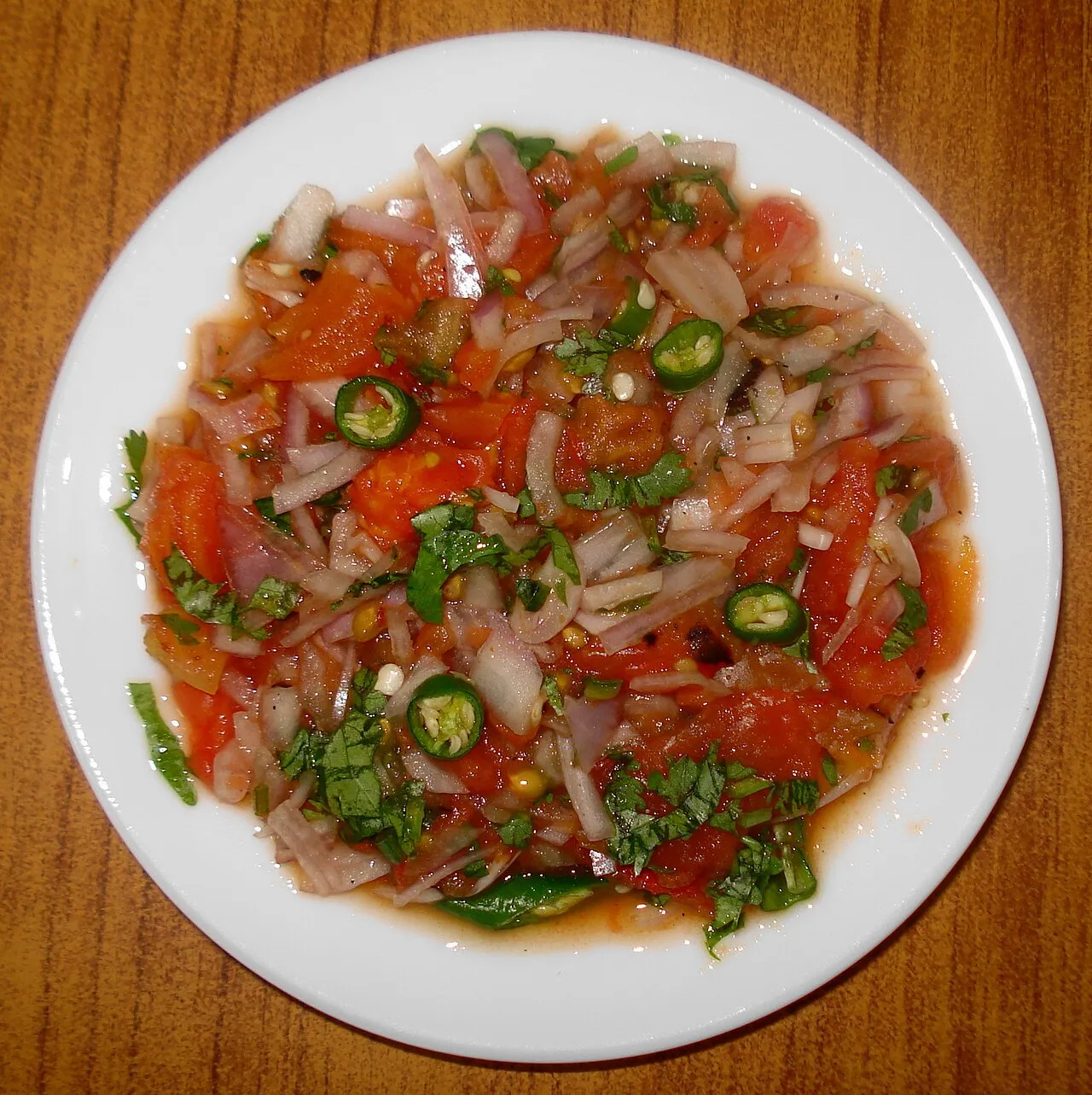
- Kachumber, which Outlook Traveller describes as a sharp salad of onion, cucumber and tomato.
- Extras, in some homes. Outlook Traveller mentions fried papad and gor amli ni kachumber, and Dhondy writes about washing it all down with beer.
Why does a Sunday dhansak lunch end in a nap?
Nobody gets up from that plate light, and four of the writers we read mention the nap. Tirmizi wrote in Dawn that because it is a heavy meal, an afternoon siesta is always welcome after it. Dhondy said dhansak with beer leads to "a nice snooze in the afternoon". Perzen Patel wrote that her Sunday nap is much better after a plateful, and Edulji said you only stop eating when it is time for the Sunday siesta.
Edulji also recalls a joke from childhood, when there were still Parsi cricketers in the Indian team. If one of them did badly after the lunch break, someone would say he must have had dhansak for lunch.
How does dhan-sak carry Parsi family memories?
Much of what Parsis write about dhansak turns out to be about a mother or a grandmother. Outlook Traveller notes that the dish's history lives as much in family recipes and oral tradition as in anything written down.
- Dhondy's grandmother's house cooked its dhansak in an Icmic cooker, and Dhondy labels her own mutton recipe a family heirloom.
- In Sona Bahadur's book An Invitation to Feast, excerpted by Scroll in 2025, Jeroo Nariman keeps a weekly Sunday dhansak lunch for her family at her 100-year-old home on Princess Street.
- In the same excerpt, Khurshed Mogrelia remembers his mother quietly grinding all kinds of vegetables into the dal so the children would not notice.
- Perzen Patel writes of her mother remembering her late father hugging her from behind as she added the meat to the dal.
The pull works far from home too. Chennai has only around 200 Parsis, The News Minute reported in 2016, and a 20-year-old Mumbai-born diner there said the dhansak dal and caramelised rice "took me back home".
If dhansak is so loved, why is it kept away from weddings?
Dawn, quoting the food writer Charmaine O'Brien, and Outlook Traveller both tie dhansak to the meal served four days after a death, and both say that is why it is not served at weddings. Outlook Traveller adds Navjotes and other happy occasions. We explain the custom in Dhansak customs.
Practice varies between families and Agiaries; your family priest's guidance comes first.
For what the columnist Busybee wrote about it, read Busybee on dhansak.
Frequently asked questions
Why is dhansak a Sunday dish for Parsis?
Dhansak takes hours. A mix of lentils is soaked and then cooked slowly with meat and vegetables, and chef Anahita Dhondy recalled the pot going on at breakfast to be ready by lunch. Outlook Traveller says the slow cooking suited Sundays, when families could gather at the table and stay on into the afternoon.
What do Parsis eat with dhansak?
The Sunday plate described by the writers we read has caramelised "brown" rice, which Perzen Patel explains is white rice caramelised with jaggery, plus small fried kebabs of mutton, chicken or prawn, and a kachumber of onion, tomato and cucumber. Outlook Traveller says some meals add fried papad, and Dhondy mentions beer.
Is dhansak considered comfort food?
Yes. Dawn's Bisma Tirmizi described it as the best of comfort foods, and Anahita Dhondy called it pure comfort food in the Deccan Chronicle. The mix of lentils, meat and vegetables is heavy and warming, and the Parsi writers we read tie the dish to memories of a mother's or grandmother's kitchen.
Why do people nap after eating dhansak?
A full dhansak lunch of lentils, meat, caramelised rice and fried kebabs is very filling, and it is eaten on a day off. Writers in Dawn, the Deccan Chronicle and NewsMeter all describe the Sunday afternoon siesta that follows it, and Perzen Patel says her Sunday nap is better for it.


