PalV's Kasti
On this page
- How many Parsis live in Mumbai, according to the Parsi census figures?
- When did Mumbai's Parsi population start falling?
- Are more Parsis dying than being born in Mumbai?
- What is happening to Mumbai's Parsi colonies?
- Why are Mumbai's Irani cafés closing?
- What does the decline mean for everyday Parsi life in Mumbai?
- Frequently asked questions
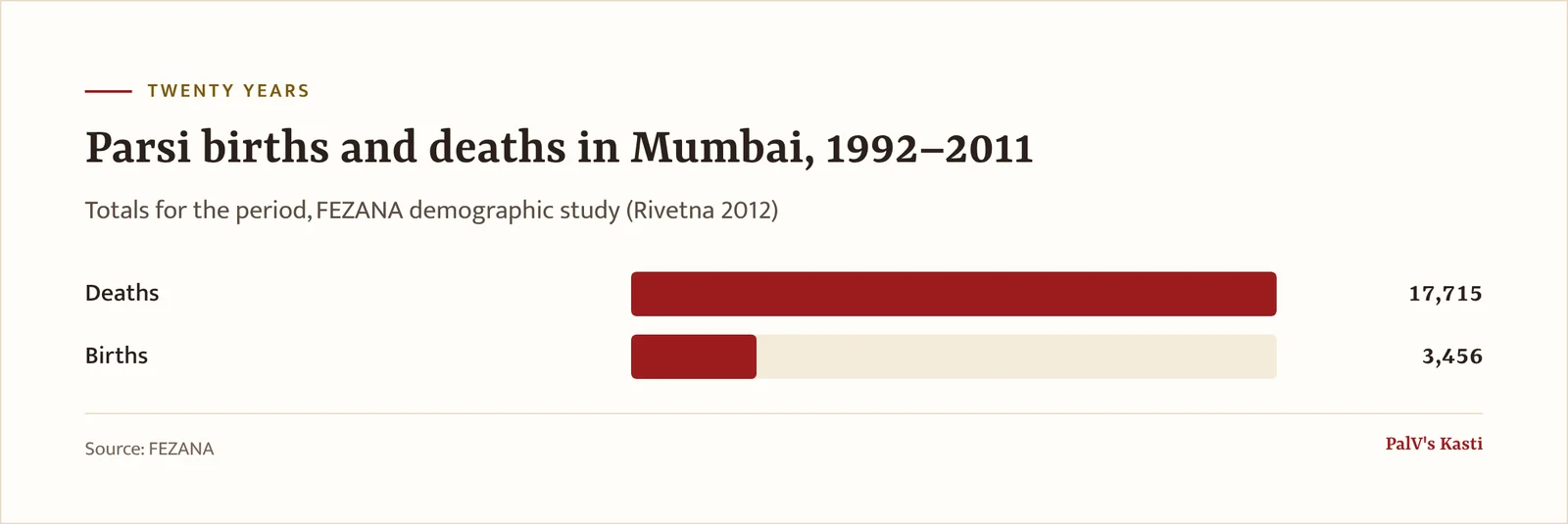
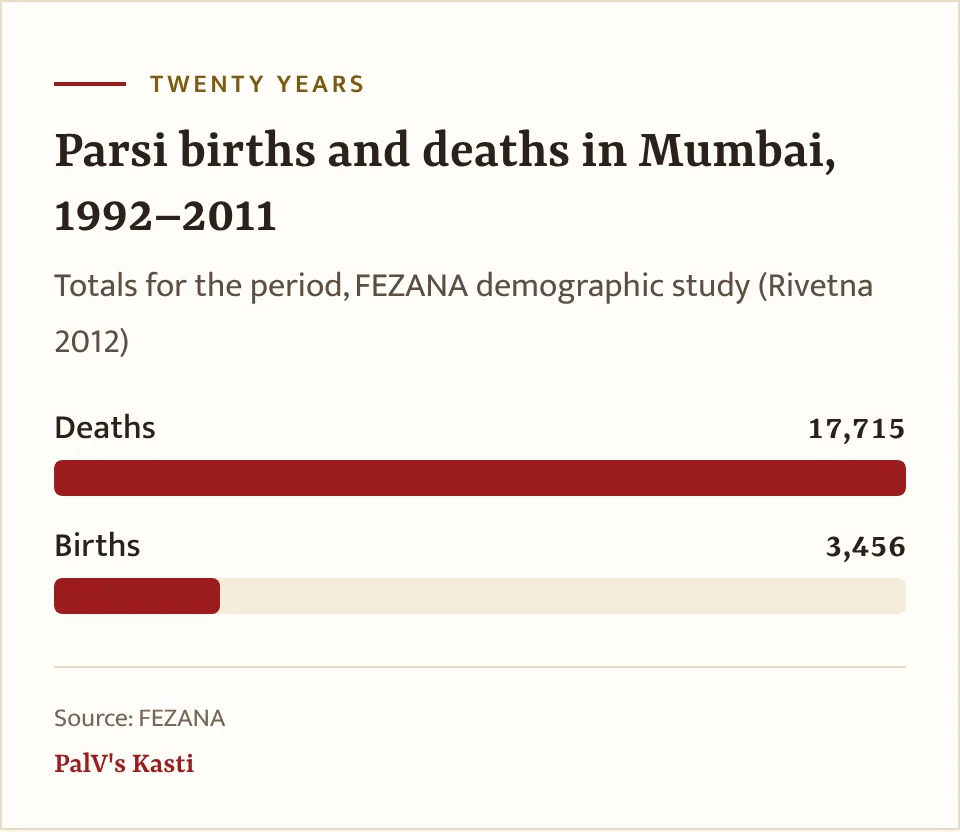
Mumbai's Parsi community has been shrinking for more than sixty years. The city's Parsi count peaked at 70,065 in the 1961 Census and was down to 46,557 by 2001, a fall of close to 34%, according to demographers Zubin Shroff and Marcia Castro. No official Mumbai figure has been published since. Deaths now far outnumber births: a FEZANA study counted 17,715 Parsi deaths and 3,456 births in Mumbai between 1992 and 2011. In daily city life the change shows up in Parsi colony flats that, in 2020, stood empty while their tenants lived abroad, in Irani cafés shutting for good, in more families choosing cremation, and in the poverty among older Parsis that community leaders now describe.
શહેરેવર રોજ
Shehrevar Roj, Tir Mah · 1396 Y.Z.
How many Parsis live in Mumbai, according to the Parsi census figures?
The last Census table that counts Parsis district by district is from 2001. It found 35,209 Parsis in Mumbai district and 11,348 in Mumbai (Suburban) district, a total of 46,557. India had 69,601 Parsis that year, so about two-thirds of them (66.9%, our calculation) lived in Mumbai. About three in four of the city's Parsis (75.6%, our calculation) were counted in Mumbai district rather than Mumbai (Suburban), and Shroff and Castro describe the south of the city as the part where most Parsis live.
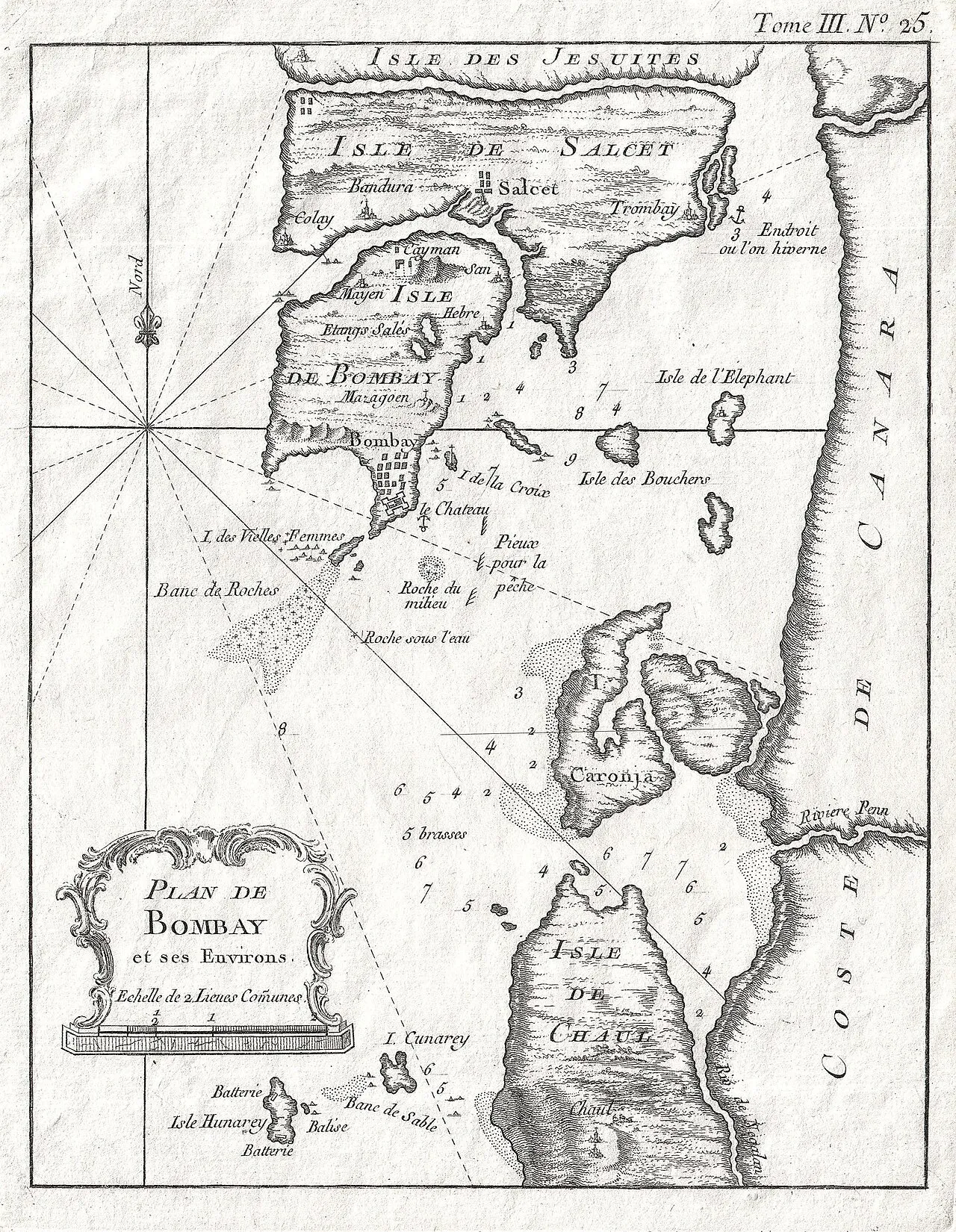
The 2011 Census released Parsi figures only for India and the states. Maharashtra counted 44,854 Parsis, down from 54,739 in 2001, a drop of 9,885 people or 18.1% (our calculation). For the full state-by-state picture, see our page on Parsi population in India.
So nobody can give an official 2011 number for Mumbai alone. The best we have is an estimate: in 2012 The Telegraph reported that there were "between 40,000 and 45,000" Parsis in the city. As of May 2026, the Free Press Journal reported that the next national Census was expected later that year or in 2027.
| Year | Parsis in Mumbai | Where the figure comes from |
|---|---|---|
| 1931 | 57,765 | Census of India 1931, Bombay City |
| 1961 | 70,065 | Shroff and Castro (2011), from census data |
| 1991 | 53,794 | Shroff and Castro (2011), from census data |
| 2001 | 46,557 | Census of India 2001, Mumbai and Mumbai (Suburban) districts |
| 2011 | Not published | Census 2011 gave state totals only |
When did Mumbai's Parsi population start falling?
The national Parsi count rose until 1941 and has fallen since. Mumbai held on twenty years longer. Shroff and Castro, writing in the journal Demographic Research in 2011, say the city's Parsi population kept increasing until 1961.
After 1961 the city followed the national trend. Between 1961 and 2001, the study says, Mumbai's Parsis fell by close to 34% while India's fell by about 31%.
How old is Mumbai's Parsi population?
Old. The same study found that in 2001 nearly a quarter of Mumbai's Parsis were over 65 and fewer than 13% were under 15. The fertility rate it measured for the city that year was 0.89 children per woman.
The pattern is not new. The 1931 Census report for Bombay City noted that while one person in every 21 in the city was Parsi, among people over 65 it was one in every two or three.
Are more Parsis dying than being born in Mumbai?
Yes, by a wide margin, though the exact numbers depend on who is counting. Roshan Rivetna's demographic study for FEZANA, presented in 2012, recorded 303 Parsi deaths for every 100 births in Mumbai in 1992 and 741 deaths for every 100 births in 2011. FEZANA itself notes that its compilation is not an official census.
Other figures, each from a different year and source:
- Municipal data for 2010, cited by Dinshaw Tamboly of the WZO Trust Funds at a National Commission for Minorities event in May 2026, showed 210 Parsi births and 933 deaths in Mumbai.
- Jehangir Patel, editor of Parsiana, told AFP in 2013 that Mumbai sees about 850 Parsi deaths and roughly 200 births a year. In 2023 he told ThePrint that for every 150 births in a year there are 600 deaths, without naming the area the figure covers.
- For 2018, the Hindustan Times, quoting Parsiana's report of Bombay Parsi Punchayet (BPP) data, put community deaths in Mumbai at 720.
Emigration is harder to measure. Shroff and Castro write that there is no data on how many Parsis leave Mumbai each year. In 2024 BPP chairman Viraf Mehta told the Free Press Journal that young people have been migrating abroad, naming North America, Australia and New Zealand as the main destinations. Our page on the Zoroastrian diaspora looks at where they settle.
What is happening to Mumbai's Parsi colonies?
CNN reported in 2020 that Mumbai has 25 colonies that were designed solely for Parsis. Some carry the name baug, such as Cusrow Baug in Colaba and Rustom Baug in Byculla, both named by ThePrint in 2023. According to CNN, the largest, Dadar Parsi Colony, was established in the mid-1890s after bubonic plague swept Bombay. Engineer Mancherji Edulji Joshi secured a 999-year lease on 103 plots for lower middle-class Parsis, and CNN put the colony's population at about 15,000.
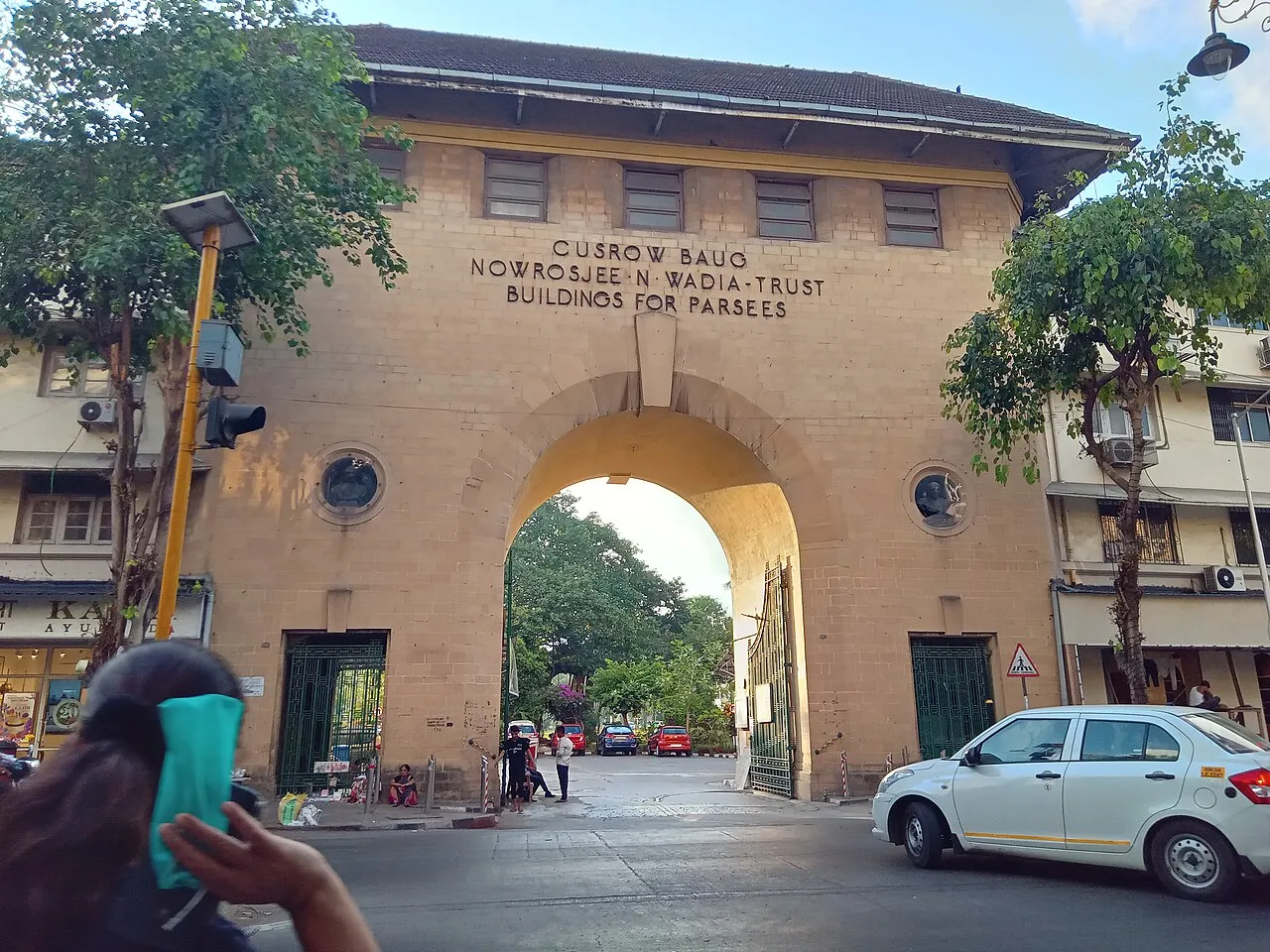
The colonies show the decline in an odd way. In 2020 Viraf Mehta, then a BPP trustee, told CNN that about a quarter of colony flats stood empty, because many tenants had settled overseas but kept paying rent so as not to lose the flat. At the same time, he said, close to 1,000 people were on waiting lists.
Rent explains why so few flats come back. CNN reported that long-time tenants paid about Rs 300 a month, against an average of Rs 145,000 for a two-bedroom flat in the wider Dadar area. Mehta said the Rent Control Act of 1947 kept old tenancies low, and the BPP owned about 3,000 colony flats covered by it.
By 2024 the picture he gave was different. Speaking as BPP chairman, Mehta told the Free Press Journal that the trust had cleared its housing waiting list, that young couples wanting a family could get a flat within three to six months, and that it was looking at bigger flats for bigger families. Reports of how many homes the Punchayet holds differ: AFP said in 2013 that it offered 5,500 subsidised apartments, while ThePrint, quoting a BPP trustee, said in 2023 that it controlled 4,200 houses.
Why are Mumbai's Irani cafés closing?
Irani cafés were started by Iranian immigrants, the Iranis, rather than by Parsis, but they belong to the same city story. Al Jazeera reported in 2014 that these restaurants had been popular in Mumbai since Iranian immigrants first opened them in the 19th century, and that many were closing under competition from fast-food chains and street vendors.
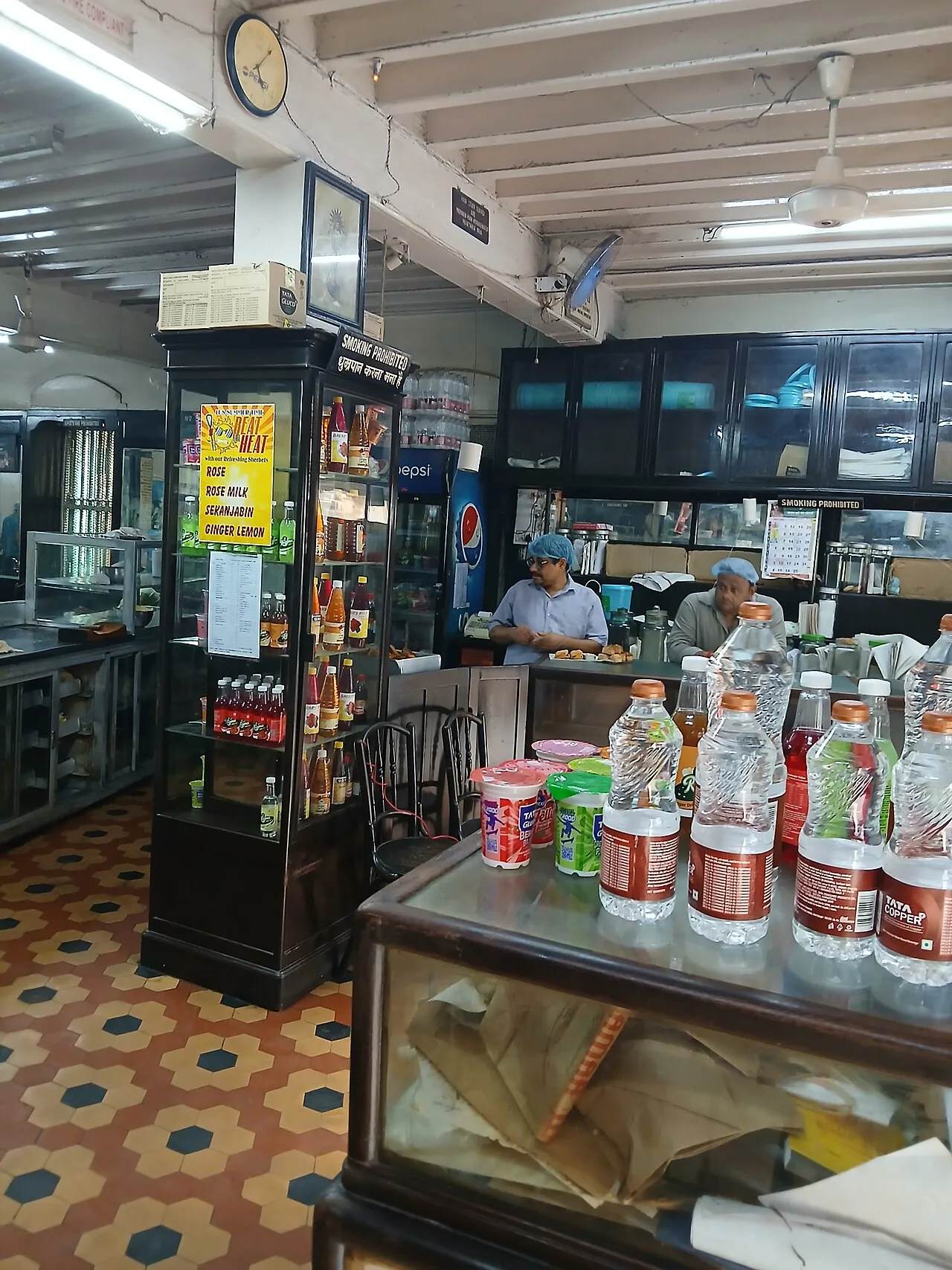
Boman Kohinoor of Britannia & Co told Atlas Obscura that he had counted over 400 of what the magazine calls Parsi restaurants in Bombay in the 1950s. He estimated about 30 were left. Another café owner put it at four. Atlas Obscura reported that many lost their valuable sites and were replaced by chains such as McDonald's and KFC, and that younger family members often did not want to take the business on.
The best-known recent loss is B. Merwan & Co, opposite Grant Road station. Outlook Traveller reported in January 2026 that the café, founded in 1914 by Boman Merwan Nazarabadi, a migrant from Iran, had closed after 112 years. The reason has not been confirmed. The same report named rising real estate prices, changing dining tastes and fewer successors as pressures on Irani cafés in general.
What does the decline mean for everyday Parsi life in Mumbai?
Funerals
More Mumbai Parsis now choose cremation. The Free Press Journal reported in January 2024 that cremations were estimated at 7 to 8% of Parsi funerals in Mumbai before the Prayer Hall at the Worli municipal crematorium opened in August 2015. The Prayer Hall Trust now puts the share at 15 to 20%. Of the 720 deaths recorded for 2018, 647 bodies went to the dakhmas at Doongerwadi and 73 were cremated, according to Parsiana's report of BPP data. We look at this and other changes in Fading Parsi traditions.
Ageing and hardship
In his May 2026 presentation, Tamboly said elderly dependency, poor health, unemployment and weak financial support had deepened poverty in vulnerable parts of the community. He said this runs against the common belief that all Parsis are well off. One of his appeals was for a socio-economic study of the economically weaker Parsi housing colonies in Mumbai.
Help for young families
The BPP pays monthly stipends to couples who have a second or third child and gives young couples priority for housing, Mehta told the Free Press Journal in 2024. Those efforts, and the government's Jiyo Parsi scheme, are covered in Plans to grow Parsi numbers.
Frequently asked questions
How many Parsis live in Mumbai?
The last official figure is from the 2001 Census: 46,557 Parsis across Mumbai and Mumbai (Suburban) districts, about two-thirds of India's 69,601. The 2011 Census published only state totals, with 44,854 Parsis in Maharashtra. A 2012 report in The Telegraph estimated Mumbai's Parsis at between 40,000 and 45,000.
How many Parsis are born and die in Mumbai each year?
Figures vary by source and year. Municipal data for 2010, cited by Dinshaw Tamboly in 2026, showed 210 births and 933 deaths. A FEZANA study counted 3,456 births and 17,715 deaths between 1992 and 2011. Parsiana's editor Jehangir Patel told AFP in 2013 that Mumbai sees about 850 Parsi deaths and roughly 200 births a year.
Are Parsi colony flats in Mumbai empty?
Some were. In 2020 BPP trustee Viraf Mehta told CNN that about a quarter of colony flats were empty because many tenants who had settled abroad kept paying the low rent, while close to 1,000 people waited. In 2024 he told the Free Press Journal the waiting list had been cleared, with flats allotted in three to six months.
Why are Irani cafés closing in Mumbai?
Reports name several pressures. Al Jazeera cited competition from fast-food chains and street vendors, Atlas Obscura pointed to valuable property and owners' children not wanting the business, and Outlook Traveller listed rising real estate prices, changing tastes and fewer successors. B. Merwan & Co, founded in 1914, closed in January 2026 for reasons not confirmed.
Where do most Mumbai Parsis live?
In 2001 about three in four of Mumbai's Parsis (35,209 of 46,557, our calculation) were counted in Mumbai district rather than Mumbai (Suburban) district. Shroff and Castro describe the south of the city as the area where most Parsis live. Dadar Parsi Colony, the largest of the 25 Parsi colonies CNN counted in 2020, had about 15,000 residents.