 PalV's Kasti
On this page
The Parsi traditions with the clearest evidence of fading are the hereditary priesthood, the funeral at Doongerwadi, Parsi Gujarati and the community's fine hand embroidery. A Mumbai priestly school that had at least 25 students two decades ago had 14 in 2023, Religion News Service reported. The Worli Prayer Hall Trust estimated in 2024 that 15 to 20% of Mumbai Parsi funerals now take place at crematoriums. A SOAS archive classes Parsi Gujarati as endangered, and Parzor says only a few elderly women still know the rarest embroidery stitches. Changes in dress and Monajat singing rest on one community writer's observation, not measured trends. Embroidery, at least, is being taught again.
All of this sits against a smaller community. India's Census counted 69,601 Parsis in 2001 and 57,264 in 2011, the Ministry of Minority Affairs said in March 2022. For where Parsis live today, see Parsi population in India, and for how the last count was compiled, our Parsi Census 2011 figures.
શહેરેવર રોજ
Shehrevar Roj, Tir Mah · 1396 Y.Z.
Is there a shortage of Parsi priests?
Yes, according to the people who train and lead Parsi priests. In November 2023 Religion News Service (RNS) found 14 students at the Dadar Athornan Institute in Mumbai, which had no fewer than 25 enrolled twenty years earlier. Ramiyar Karanjia, the institute's principal, gave the same count of fourteen in a Parsi Times article in July 2025. A second seminary, in western Mumbai, had become a prayer hall for lack of students about eight years before, RNS reported.
The gap is widest for the higher ceremonies. Noshir Dadrawala, a Zoroastrian scholar in Mumbai, told RNS that fewer than 20 priests are now available to perform them. Dinshaw Tamboli, chairman of the World Zoroastrian Organization Trust Funds, was blunter: the number of mobeds qualified for those ceremonies, he said, "is not enough". In some fire temples where no mobed is available, Tamboli said, para-priests tend the fires; RNS describes them as laypeople licensed only for the lower ceremonies.
Khurshed Dastoor, described by RNS as the high priest of Indian Parsis, pointed to working conditions: he said priests are paid meagrely, keep unusual hours and get no pension or set holidays. The Dadar institute tries to offset that: Karanjia's 2025 article says boarding, lodging and schooling are free, and a savings scheme pays each student a lump sum at the end of training.
Are more Parsis choosing cremation over Doongerwadi?
The estimates say yes, though not everyone agrees, and most Mumbai Parsi funerals still go to the dakhmas (Towers of Silence) at Doongerwadi. The figures rose after a Prayer Hall opened at the Worli crematorium in 2015, giving families who choose cremation a place for the after-death rites. (FPJ dates the opening to August 2015, Open magazine to September.)
Bombay Parsi Punchayet figures, published by Parsiana and reported by the Hindustan Times in February 2019:
| Year | Taken to the dakhmas | Cremated |
|---|---|---|
| 2016 | about 677 | 97 |
| 2017 | 676 | 77 |
| 2018 | 647 (of 720 deaths) | 73 |
Estimates of the cremation share differ, and we give each as its source does. The Hindustan Times put it at barely 6% before the hall opened and around 12% in the three years after. The Free Press Journal, in January 2024, reported 7 to 8% before the hall and quoted the Prayer Hall Trust's estimate of 15 to 20% now. In the same report Dinshaw Tamboly, a former Bombay Parsi Punchayet trustee who sits on the Prayer Hall Trust, said that of about 650 Parsi funerals a year in Mumbai, between 100 and 120 were cremations. Jehangir Patel, editor of Parsiana, read it differently in the same report: he said the number choosing cremation had not risen substantially, apart from a spike in the Covid years.
FPJ links the need for another option to the collapse of India's vulture population. Open magazine reported in 2016 that the vultures had died off after feeding on carcasses of cattle treated with the drug diclofenac, and that the birds had not recovered even after the drug was banned. Patel still told FPJ the hall "has been a real blessing" for families who wanted an alternative to Doongerwadi.
Is Parsi Gujarati dying out?
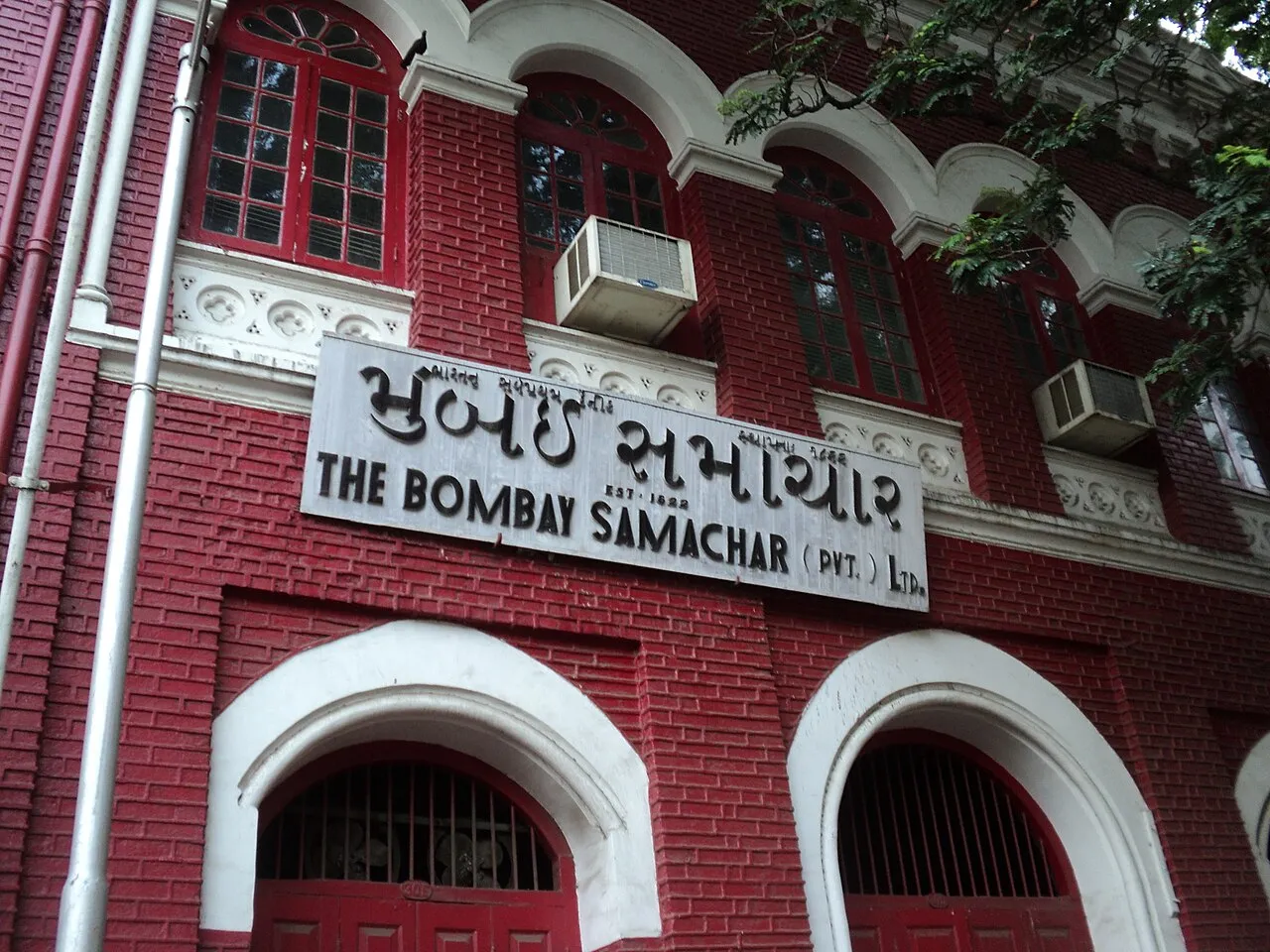
The Endangered Languages Archive (ELAR) at SOAS University of London calls Parsi Gujarati an endangered language, spoken only by India's Zoroastrians. Its documentation programme funded the researcher Anton Zykov to record the language on video, with Parzor, the UNESCO-affiliated Parsi Zoroastrian Heritage Project, as host. ELAR's February 2020 write-up adds a detail from the fieldwork: an Irani sub-dialect, not documented before, whose borrowings from Gavruni (Zoroastrian Dari) shrink with each generation born in India. A June 2019 letter the project drew, from the historian Marzban Gyara, urged Parsis to learn to read, write and speak Gujarati.
Is Parsi embroidery, including gara work, dying?
It came close, by Parzor's own account. Parzor names the gara, the kor, the topi and the ijar as pieces decorated with Parsi embroidery. Parzor says it recorded the craft with the help of elderly Parsi women, among the few left who know its rare stitches. It also notes that the link with Chinese embroidery ended when Parsi trading in China did.
Parzor's answer has been teaching. It has run workshops in Ahmedabad, Mumbai, Navsari and Delhi since 2003, and one of its hand-embroidered stoles won a UNESCO Seal of Excellence in 2008. Parzor now describes a revival of Parsi kor embroidery across India that it helped start. In February 2024 the central government also announced a cultural-revival programme for fading Parsi-Zoroastrian crafts, the Free Press Journal reported.
What has changed in dress, Monajats and family customs?
The evidence here is one well-placed observer, not a survey. Writing in Parsi Times in August 2017, Dr Katy Gandevia, then programme coordinator of the government's Jiyo Parsi scheme, said that Monajat singing, common in the last century, had almost disappeared. At special occasions, she wrote, the Dugli and pagdi or pheta for men and the chatta cherani sari for women had given way to Western clothes, and many customs around pregnancy, marriage and death had been dropped.
She also recorded what has held. Many Parsis still wear the Navjote.">Sadra and Kusti for life after their Navjote, she wrote, though the shape of the Sadra has changed to suit need and place.
Practice varies between families and Agiaries; your family priest's guidance comes first.
What we could not find matters too. We found no yearly counts of Navjotes or weddings, no dated list of Agiary closures and no data on how often Gahambars and Jashans are held, so we make no claim about them. How the falling numbers look in one city is covered in Mumbai's shrinking Parsi community, and communities outside India in Zoroastrian diaspora.
Will Parsi culture die out?
The data cannot answer that, and the people quoted on it disagree. Dinyar Patel, then a Parsi researcher at Harvard University, told the Hindustan Times in July 2016 that Zoroastrianism "will live or die" on the choices Parsis and Iranian Zoroastrians make now, and named late marriage, non-marriage and few children as the problem. Dr Gandevia, in her 2017 piece, called the falling numbers a grave threat to the community's traditions.
Hormuz Bana, an ordained Zoroastrian priest, took the opposite view when he spoke to CNN in July 2020: "We aren't a community that focuses on the negative."
Frequently asked questions
Which Parsi traditions are disappearing?
The clearest cases are the priesthood, Parsi Gujarati and fine embroidery. A Mumbai priestly school had 14 students in 2023, down from at least 25 two decades earlier. SOAS's language archive classes Parsi Gujarati as endangered. Writing in Parsi Times in 2017, Dr Katy Gandevia said Monajat singing and traditional occasion dress had largely given way; no survey measures this.
Is there a shortage of Parsi priests?
Yes, especially for the higher ceremonies. Zoroastrian scholar Noshir Dadrawala told Religion News Service in 2023 that fewer than 20 priests can now perform them. The Dadar Athornan Institute had 14 students, against at least 25 twenty years before. Khurshed Dastoor, whom RNS calls the high priest of Indian Parsis, pointed to low pay, odd hours and no pension.
Are more Parsis choosing cremation?
The estimates point that way. Before the Worli Prayer Hall opened in 2015, about 6 to 8% of Mumbai Parsi funerals were cremations, by Hindustan Times and Free Press Journal estimates. The Prayer Hall Trust put the share at 15 to 20% in January 2024. Parsiana editor Jehangir Patel said numbers had not risen substantially.
Is Parsi Gujarati dying out?
SOAS University of London's Endangered Languages Archive describes Parsi Gujarati as endangered and spoken only by India's Zoroastrians. Its programme funded researcher Anton Zykov to document the language on video, hosted by Parzor. A 2019 letter prompted by the project, from historian Marzban Gyara, urged Parsis to learn to read, write and speak Gujarati.
Is gara embroidery dying?
It came close. Parzor, the UNESCO-affiliated heritage project, says only a few elderly Parsi women still know the rare stitches used on garas and other pieces. Since 2003 Parzor has run workshops in Ahmedabad, Mumbai, Navsari and Delhi, one of its stoles won a UNESCO Seal of Excellence in 2008, and it now reports a kor embroidery revival.


