 PalV's Kasti
On this page
- How did the first Parsi immigrants find each other?
- When does a circle of families become an association?
- What does a local Zoroastrian association do for newcomers?
- Why does a Dar-e-Mehr matter so much to the network?
- How did Parsis in Britain organise support?
- Who helps with a Navjote or a funeral abroad?
- What do federations add to local associations?
- How do I find the Zoroastrian association in a new city?
- Frequently asked questions
Parsi immigrants have built their support networks in much the same order wherever we looked. A few families start meeting in each other's homes. Those families register an association, often while still renting halls. Next they raise money, frequently with a large gift from a benefactor, for a Dar-e-Mehr of their own. Finally the associations join a wider federation that runs scholarships and youth programmes. In North America, Chicago-area Zoroastrians formed an association in 1965, New York's ZAGNY followed in 1973 and Chicago's ZAMC in 1975. Volunteer priests and a mobeds' council fill the religious gap, from a Navjote to a funeral.
For where Parsis and Iranis abroad live and how they got there, start with our guide to the Zoroastrian diaspora. This post looks at the practical side: how newcomers found each other and what the networks they built actually do.
શહેરેવર રોજ
Shehrevar Roj, Tir Mah · 1396 Y.Z.
How did the first Parsi immigrants find each other?
In a living room. Harvard's Pluralism Project says American Zoroastrian groups began informally, with local members meeting in private homes to socialise and keep the religious holidays together.
The first known attempt at a formal body shows how fragile these early networks were. Seven Zoroastrians met in Phiroze Saklatwala's living room in New York on 10 November, but the sources give different years. The Pluralism Project gives 1929. Dr Kersey H. Antia, in his essay on Parsi settlers in North America, gives 1923. Antia adds that Saklatwala's sudden death and the Great Depression ended it.
Who were these early arrivals? Mostly students, Antia writes in an undated essay, himself included, who found good jobs and decided to stay. In his account most went back home to find a Zoroastrian spouse, and many returned home for their children's Navjotes because family ties were so strong. For many families, the support that mattered most was still back home.
The pattern repeats elsewhere. The Australian Zoroastrian Association of NSW says that when it registered in Sydney on 1 September 1971, families met now and then at each other's houses for dinner, and private homes doubled as venues for social functions and committee meetings. We tell that story in full in our post on Zoroastrians in Australia.
When does a circle of families become an association?
The North American record shows the step clearly, including one false start.
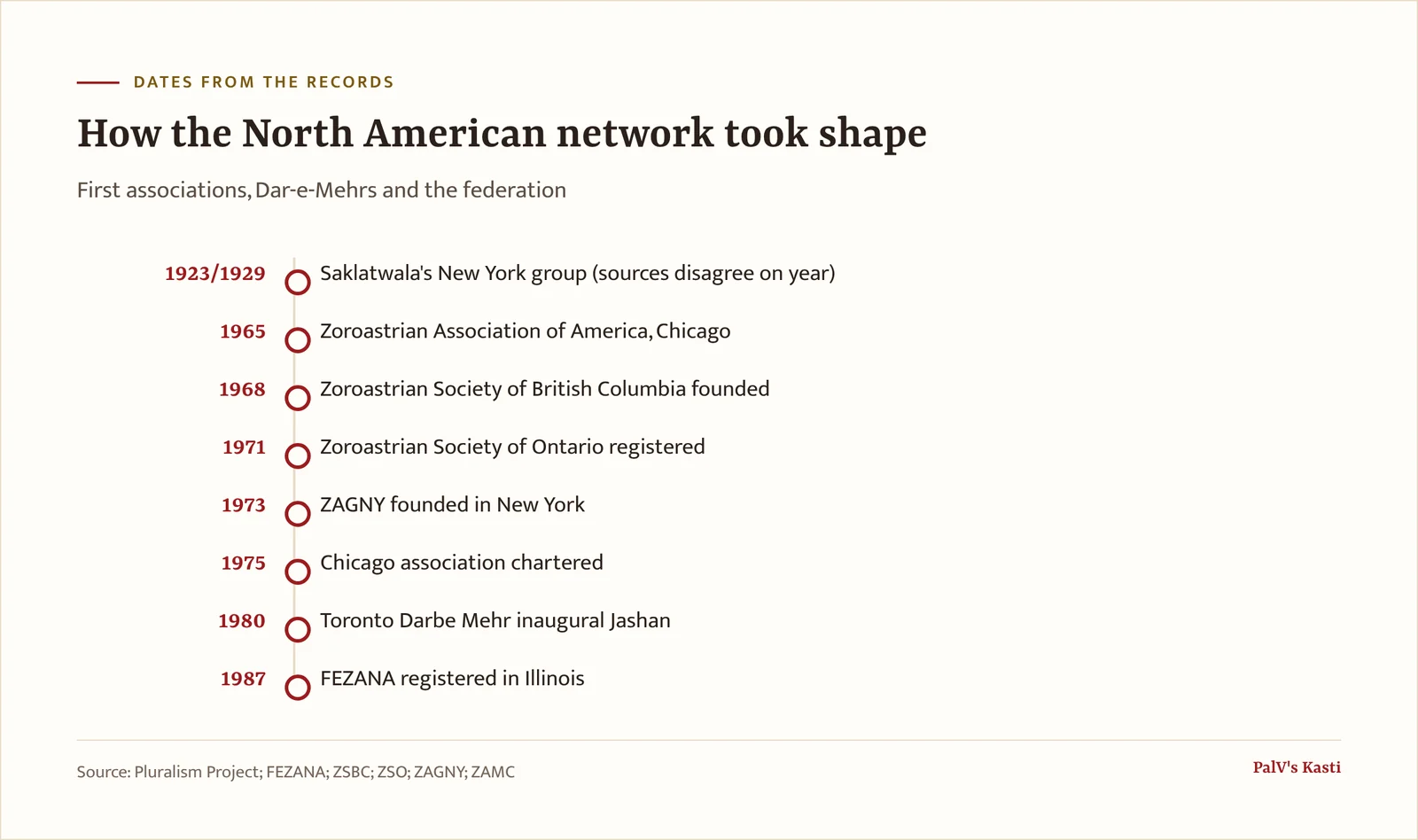
On 23 May 1965, thirty Chicago-area Zoroastrians formed the Zoroastrian Association of America, according to the Pluralism Project. Its newsletter spoke of planning ways to keep the community's identity and heritage while taking a full part in American life. FEZANA's own history says the group worked mainly in the Chicago area for three or four years and then wound down.
City associations that lasted came next. Both the Pluralism Project and ZAGNY's website give 1973 as the founding year of the Zoroastrian Association of Greater New York. For Chicago, the Pluralism Project says the metropolitan association was officially chartered in 1975, and ZAMC's website also gives 1975.
Canada followed a similar path. The Zoroastrian Society of British Columbia says it was founded on 22 February 1968 by about twenty families and now counts over 513. The Zoroastrian Society of Ontario says it was registered in 1971, after a first wave of arrivals in the mid-sixties, and that in its early years it held meetings and activities in rented places.
What does a local Zoroastrian association do for newcomers?
Far more than prayers. Going by what the associations themselves publish, the work falls into a few kinds:
- Religious services and teaching. ZAMC says its classes take children aged 3 to 13, and its ZELDA programme takes teenagers aged 14 to 18.
- Help in hard times. ZAGNY's donation appeal says gifts go towards medical and critical assistance for community members in need, and towards academic scholarships.
- A social life. In the Pluralism Project's account, the first home meetings were about socialising and keeping religious holidays together.
Why does a Dar-e-Mehr matter so much to the network?
Because it gives a scattered community a fixed address. Antia notes that Zoroastrians in North American cities can be spread across 50 to 80 miles, so many come only on certain occasions. When they do come, the Dar-e-Mehr hosts much of community life: religious classes and lectures, Gahambars, New Year functions, weddings, Navjotes and Muktads.
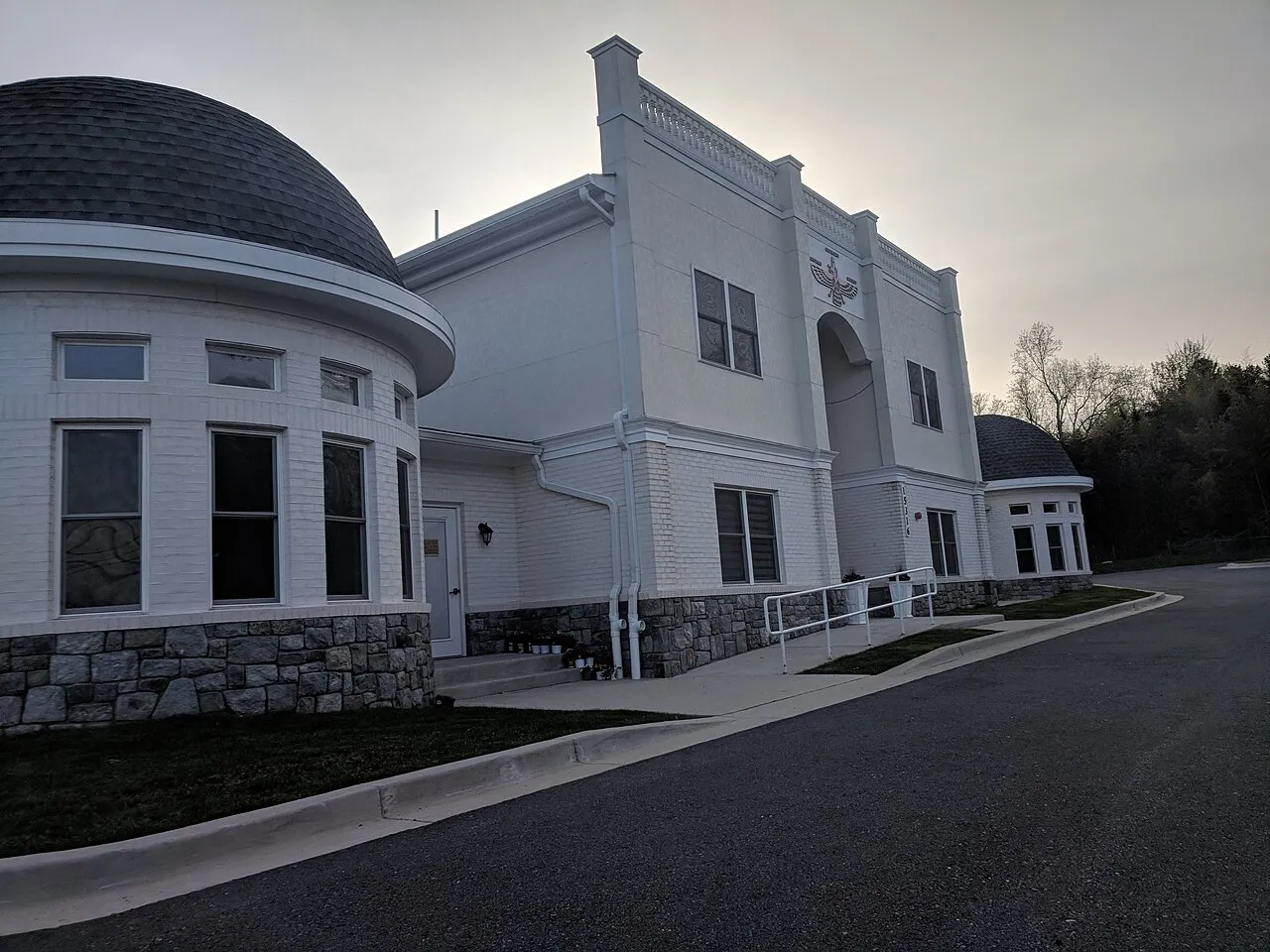
Large gifts paid for many of these buildings. Antia credits the late Arbab Rustam Guiv, his wife Morvarid Guiv and the Zarthosti brothers with giving almost every major centre in North America a Dar-e-Mehr. The associations' own histories agree:
- In Toronto, ZSO says Arbab Rustom Guiv's philanthropy made its centre possible. The property belongs to the Rustom Guiv Foundation of Ontario and is leased to ZSO for 999 years at one cent a year. The inaugural Jashan was held on 21 September 1980.
- In Burnaby, ZSBC says a gift from the late Morvarid Guiv paid for the property it bought in 1985.
- In Sydney, AZA says members raised funds for years and, helped by a large donation from Nawzer and Akhtar Ostowari, bought five acres with a house at Annangrove in 1985. With support from the Guiv and Zarthosty Brothers trusts, its Darbe Mehr was completed in July 1994.
Chicago's ZAMC claims a first of its own: it says a small group of its families built North America's first Dar-e-Mehr from the ground up.
How did Parsis in Britain organise support?
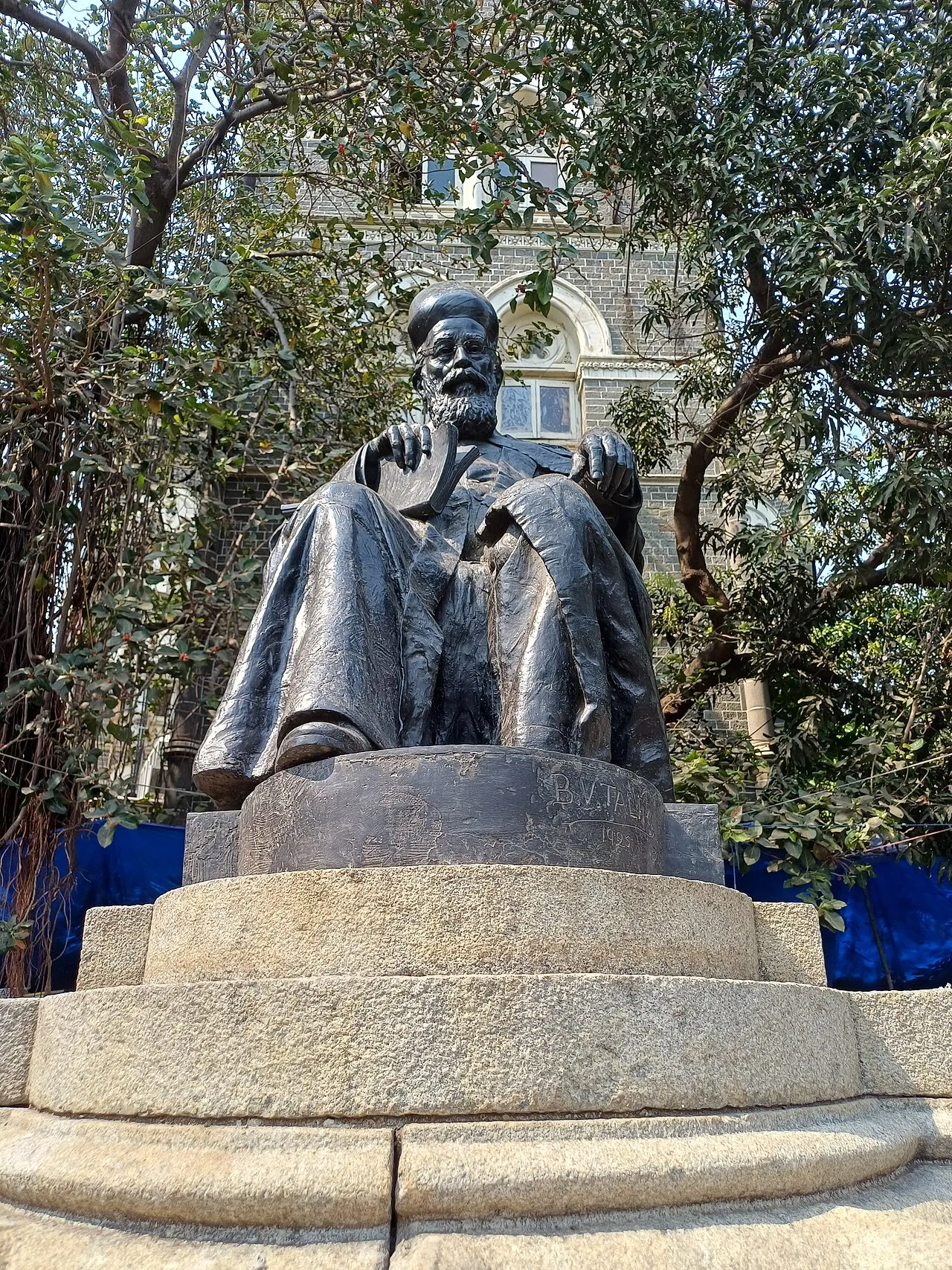
Britain's network is far older than North America's. The Zoroastrian Trust Funds of Europe (ZTFE) traces its roots to August 1861. That month, it says, Seth Muncherji Hormasji Cama asked Dadabhai Naoroji and others to help start a religious fund for Zoroastrians living in Europe. The South Asian Britain: Connecting Histories database also dates the Zoroastrian Association to 1861 in Kensington, with Naoroji as first president and fifteen Parsis at the first meeting.
That early association was a welfare body as much as a religious one. South Asian Britain records that it combined religious, social and welfare work with education, organised social outings, oversaw Parsi burials, and ran a Zoroastrian House in Kensington that served as a guesthouse. It served a tiny group: ZTFE estimates there were about 50 Zoroastrians in the UK in 1861 and no more than 200 by the end of the Second World War.
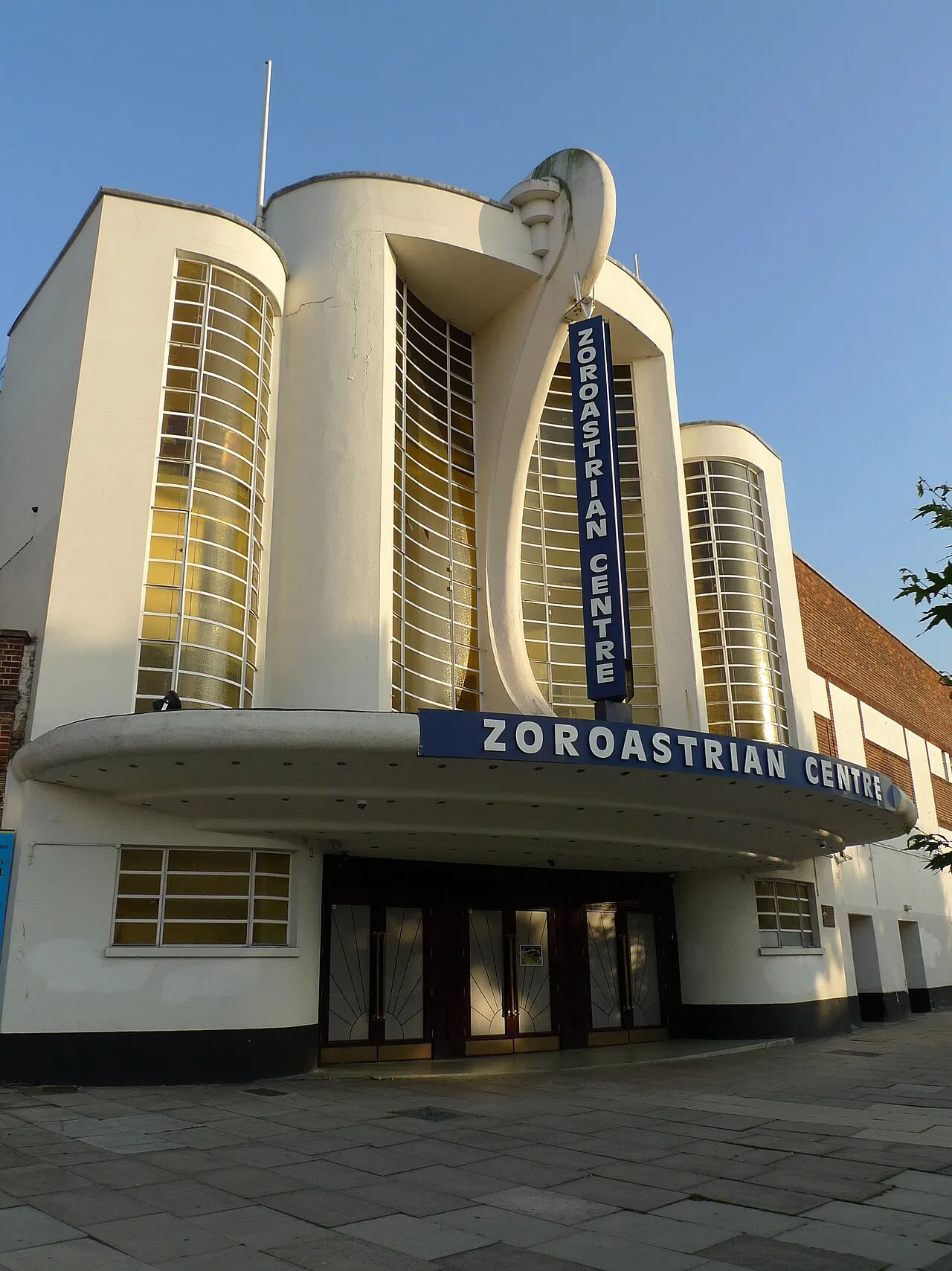
Today ZTFE says it represents the community to the UK Government and to interfaith, religious and educational bodies, with its secretariat at the Zoroastrian Centre in Harrow, a Grade II* listed art-deco building.
Who helps with a Navjote or a funeral abroad?
Mostly volunteer priests. Antia writes that the Dar-e-Mehrs he knew had no full-time or part-time paid priest. Instead, men who had qualified as navar or martab in India or Iran served the community as volunteers when needed. He calls it unique in Zoroastrian history that the roughly ten percent of all Zoroastrians living in North America are served, mostly free of charge, by volunteer priests. In Chicago, he adds, the priests passed their fees to the local association, and chamach income from boi ceremonies went towards the Dar-e-Mehr's upkeep.
Today the North American Mobeds Council lists services including Jashan, Navjote, Afringan and Satoom, funerals, Gahambars and weddings. Its site has a "Find a Mobed" directory sorted by state or region, and NAMC says it will give pro-bono religious service to Zoroastrians in North America who are in financial need.
Death is where a small community most needs its network. With no Towers of Silence in North America, Antia writes, priests and laity accepted cremation or burial. In Chicago, the association made special arrangements with a funeral home so the community could perform the sachkar, bought a few burial lots in a local cemetery and arranged cremation with the crematorium serving that cemetery. He also notes that priests did not all agree on these changes. Practice varies between families and Agiaries; your family priest's guidance comes first.
What do federations add to local associations?
Scale. One association cannot fund a continent's students or gather its teenagers, but a federation can. In North America that body is FEZANA, the Federation of Zoroastrian Associations of North America. Its website says it was registered in Illinois on 2 June 1987. For a newcomer, two of its programmes matter most.
The federation's scholarship programme, started in 1998, gives more than $85,000 a year for study at institutions in the US and Canada. Applications open in April and close on 15 July. Its youth wing, ZYNA, brings together Zoroastrians aged 15 to 35 through events, retreats, talks and service projects.
How do I find the Zoroastrian association in a new city?
Start with the umbrella body for the country, then work down to the local group. From what the organisations publish:
- In the US or Canada, check FEZANA's associations page, which lists its member associations along with smaller groups in places such as Cleveland, St. Louis and Tampa Bay.
- For a priest, use the North American Mobeds Council's "Find a Mobed" directory.
- In the UK, contact ZTFE at the Zoroastrian Centre in Harrow.
- In New South Wales, the Australian Zoroastrian Association has its Darbe Mehr at Annangrove.
Smaller countries may have only a handful of families and no building. Our post on Zoroastrians in Italy looks at one such community. And for the numbers back home, see Parsi population in India.
Frequently asked questions
What was the first Zoroastrian association in North America?
The first known one was formed by seven Zoroastrians in Phiroze Saklatwala's New York living room on 10 November. Harvard's Pluralism Project gives the year as 1929, while Dr Kersey Antia gives 1923. Antia says it ended after Saklatwala's sudden death and the Great Depression. Associations that lasted came from the late 1960s, such as British Columbia's in 1968.
Where can I find a mobed abroad for a Navjote or funeral?
In North America, the North American Mobeds Council keeps a "Find a Mobed" directory by state or region. It lists Navjote, funerals, Jashan and weddings among its services, and says it offers pro-bono service to Zoroastrians in financial need. Elsewhere, ask the local association first. Your family priest's guidance comes first.
Do diaspora associations help students with scholarships?
Yes. FEZANA says its scholarship programme began in 1998 and now gives more than $85,000 a year to students at institutions in the US and Canada. Awards cover undergraduate, graduate and arts study, among others. The portal opens in April and closes on 15 July. ZAGNY in New York also raises money for academic scholarships.
Is there a Parsi association in the UK?
Yes. The Zoroastrian Trust Funds of Europe traces its origin to August 1861, when Muncherji Hormasji Cama appealed to Dadabhai Naoroji to set up a fund for Zoroastrians in Europe. ZTFE says it now represents the community to the UK Government and works from the Zoroastrian Centre in Harrow, a Grade II* listed building.


