 PalV's Kasti
On this page
Italy has never had a large Zoroastrian community, and its recorded history is short. The fullest account is in Le Religioni in Italia, the encyclopaedia of religions in Italy published by the research centre CESNUR. Its 2024 edition speaks of "not many families" of Zoroastrians living in the country and names two bodies working there, a Fondazione Zoroastriana and a Zarathustrian Association in Italy. Most of the dated record since then comes from one man, Michele Moramarco, an Italian who had his Navjote on 18 October 2003 and later ran a blog for what he called the Zoroastrian diaspora in Italy. We could not find an official count, a census line or a consecrated place of worship.
For the bigger picture of Parsis and Iranis abroad, start with our guide to the Zoroastrian diaspora.
શહેરેવર રોજ
Shehrevar Roj, Tir Mah · 1396 Y.Z.
How many Zoroastrians live in Italy?
Nobody has published a number for Italy alone, as far as we could find, and we found no official figure to quote.
The nearest estimate comes from FEZANA. Roshan Rivetna's world table in the FEZANA Journal (Fall 2013) has no row for Italy. Its nearest line is "Europe & Cen. Asia", put at 1,000 people in 2004 and again in 2012, with Dolly Dastoor credited for both years. The table's own disclaimer calls the whole compilation a "magazine survey" and not an official census.
Two descriptions in words fill the gap a little. CESNUR writes of "non molte famiglie", not many families. And Moramarco, in his first blog post on 1 January 2008, wrote that Italy had no community of Zarathushtra's followers, only scattered individuals. He added that there were sympathisers in several cities and foreign Zoroastrians, mostly from the United States, India and Iran, staying for a while to study or work (our translation of his Italian).
Set that beside the Parsi population in India and the difference in scale is plain: the sources describe Italy in terms of a few families and scattered individuals.
Which Zoroastrian groups are listed in Italy?
CESNUR's entry "Presenze zoroastriane in Italia" (Zoroastrian presences in Italy) lists three contacts:
- Fondazione Zoroastriana, Rome, with Dr Daryush Bakhtiari as the named contact. The same entry's reading list credits Bakhtiari as editor of an Italian edition of the Gathas, Così parla Zaratustra (Settimo Sigillo, Rome, 1997).
- Zarathustrian Association in Italy, whose seat, CESNUR says, is a private home in Rome.
- Fraternità Mazdea Cristiana, run by Michele Moramarco in the province of Reggio Emilia.
CESNUR also says that the cooperation bodies of the Parsi and Zoroastrian diaspora keep in touch with the families living in Italy, and that they have approached the Italian government to protect those families' identity and rights. It names neither the bodies nor a date.
A caution on freshness. The encyclopaedia states that it has not been updated since its 2024 edition, after the death of its main editor, Professor PierLuigi Zoccatelli. Treat the list as a 2024 snapshot at best.
Is Mazdaznan part of the community?
No, not in CESNUR's account. Mazdaznan, a movement founded in California in 1917, sits in the encyclopaedia as "neo-Zoroastrianism". CESNUR records that in Europe its claim to be authentic Zoroastrian teaching was disputed, and that Western neo-Zoroastrian movements like it generally have little contact with ethnic Zoroastrians. CESNUR treats it as a separate movement from the Parsi and Irani faith.
Who is Michele Moramarco, and why is his group debated?
Moramarco is the name that recurs most in the sources we found. CESNUR describes him as known mainly for historical studies of Freemasonry and dates his formal Zoroastrian initiation to 18 October 2003. His blog gives the same date for his Navjote, and in that 2008 post he wrote that, as far as he knew, he was the only Italian following the faith.
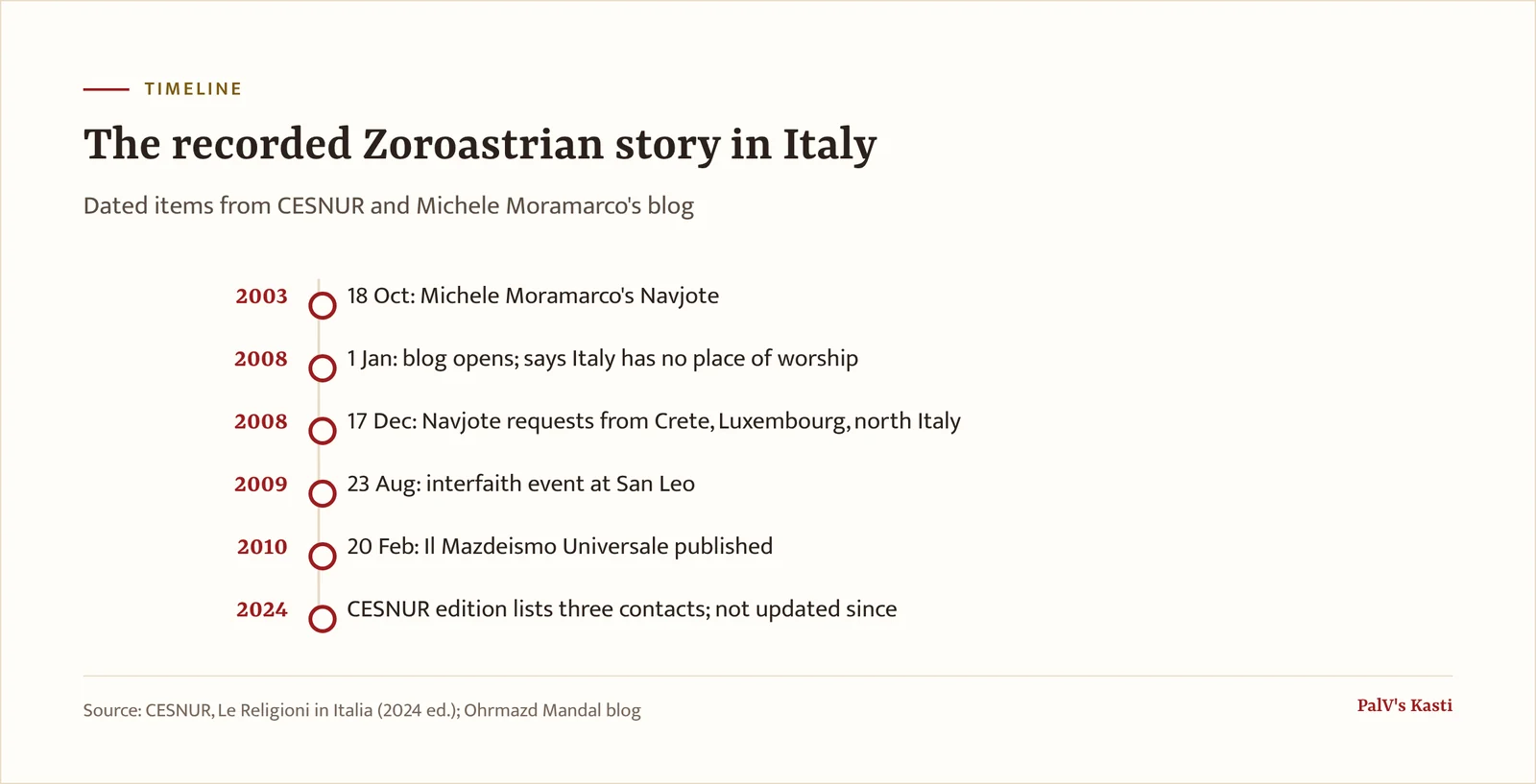
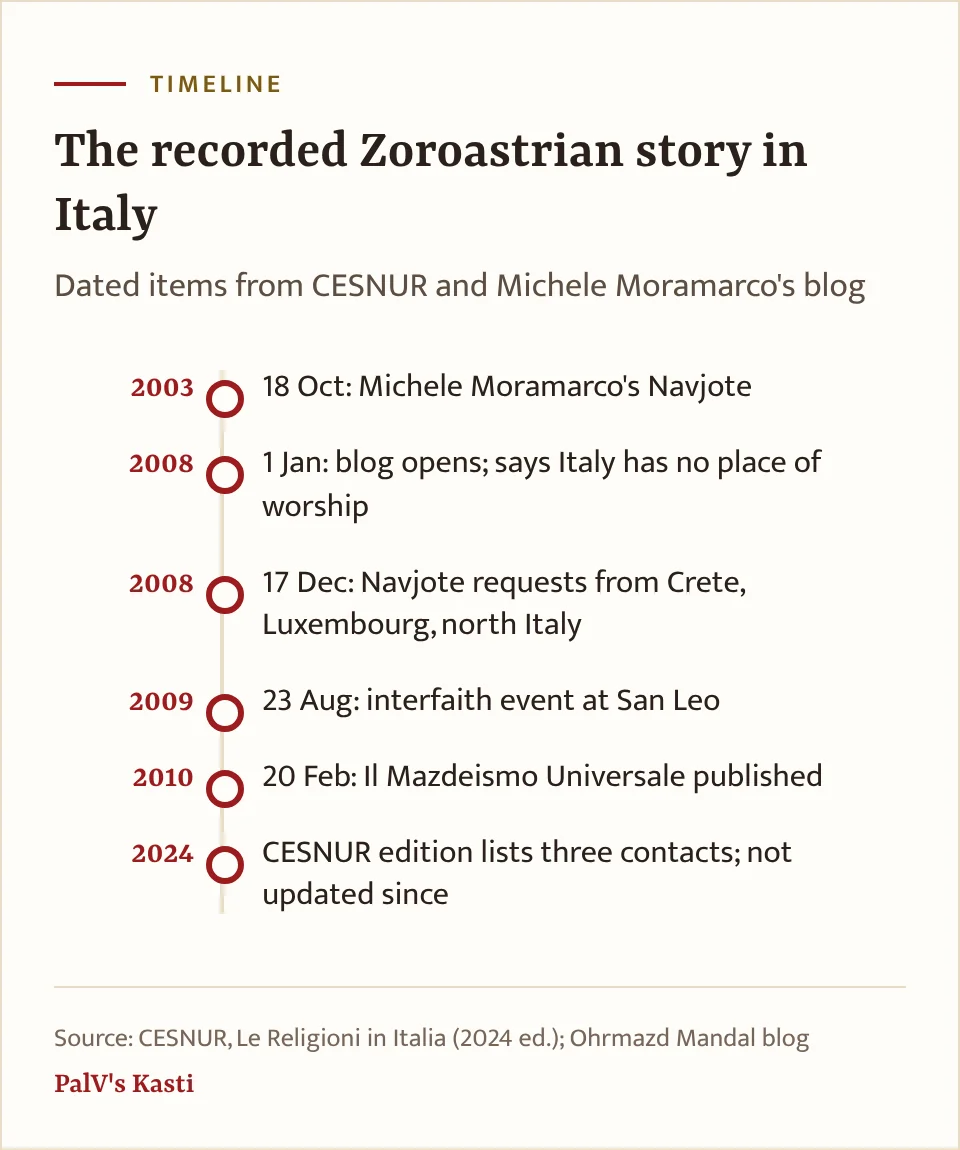
His blog then traces a small, dated trail:
- 17 December 2008: a greeting to people who had asked him for the Navjote over the previous months, from Crete, from the Italian community in Luxembourg and from northern Italy.
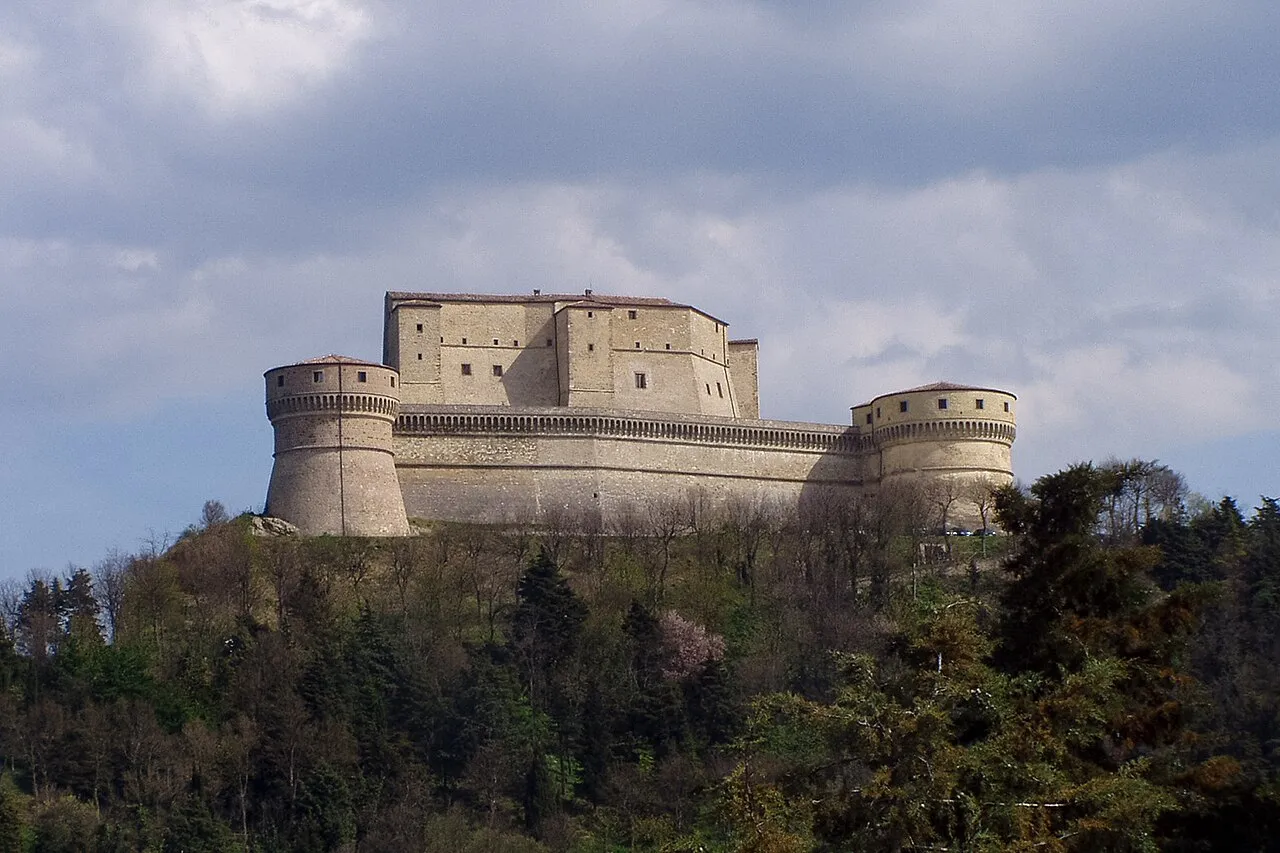
- 1 August 2009: he accepted an invitation for "the Zoroastrian diaspora in Italy" to an interfaith event at San Leo on 23 August 2009, held under the patronage of the town council.
- 20 February 2010: he announced his book Il Mazdeismo Universale, published by Bastogi.
The blog now goes by "Ohrmazd Mandal - The Circle of the Wise Lord", with the line "Universalist Mazdean Alliance".
The debate is about who can belong. CESNUR says Moramarco wants to bring to Italy the approach of Bombay's Association for the Revival of Zoroastrianism, which seeks to open Zoroastrian ranks to anyone who wants to practise, whatever their ethnic background. His Fraternità Mazdea Cristiana, CESNUR adds, welcomes people in Italy and the United States who follow the Zoroastrian path without giving up Christianity. On 25 November 2009 Moramarco posted a "manifesto" of Universal Mazdeism, introduced as addressed to Mazdean communities wishing to free the faith from ethnic restrictions.
The other side is stated just as plainly. CESNUR's own entry says the Zoroastrian religion does not seek converts and that Zoroastrians see themselves as a people bound by blood and lineage. The Sydney Morning Herald, reporting on the community in Australia in May 2013, wrote that the faith "does not approve of conversions or evangelism".
Practice varies between families and Agiaries; your family priest's guidance comes first.
Is there a fire temple or Dar-e-Mehr in Italy?
Not that any source we found records. On 1 January 2008 Moramarco wrote that people had asked him where Zoroastrians could worship in Italy, and that at that moment there were no such places. He announced a plan for a simple Dar-e Mehr, to be set out as a project by the end of 2008. We found nothing showing it was built, and CESNUR's 2024 list gives only contact points, one of them a private home.
On this record, a Parsi family moving to Italy would find no consecrated place of worship listed. How families abroad build that kind of help is the subject of our piece on Parsi immigrant support networks. For a country where Zoroastrians did grow large enough to build their own centres, read about Parsis in Canada.
What did Marco Polo write about fire-worshippers?
One early Italian written link to Zoroastrians is a traveller's tale, not a settlement. Marco Polo, in Henry Yule's English translation revised by Henri Cordier, describes a village in Persia called "Cala Ataperistan", which he glosses as "The Castle of the Fire-worshippers". He tells it alongside a story of three kings of that country who went to worship a newborn prophet with gold, frankincense and myrrh.
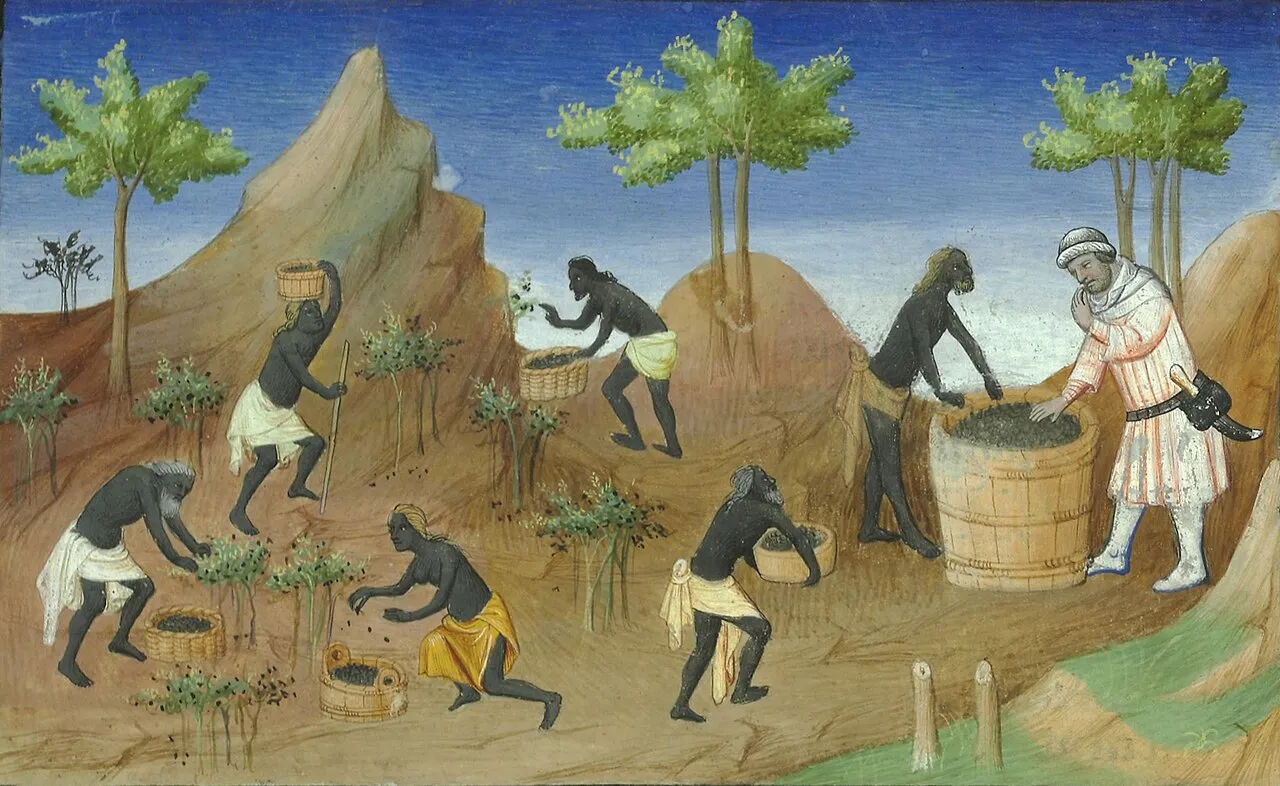
"Fire-worshippers" is Polo's word, not the community's own. CESNUR notes that fire is the central symbol of the Zoroastrian religion, and that Muslim polemic wrongly accused Zoroastrians of "adoring" it.
Who studies Zoroastrianism in Italy?
Italy has more scholars of the faith on record than practitioners. CESNUR's reading list names the Italian scholar Gherardo Gnoli as a leading defender of the traditional reading of how Zarathushtra's teaching became institutional Zoroastrianism, citing his Zoroaster's Time and Homeland (Istituto Universitario Orientale, Naples, 1980). As a primary source in Italian, the same list recommends Zoroaster. Testi religiosi zoroastriani, a translation from Pahlavi published by Paoline in Catania in 1962.
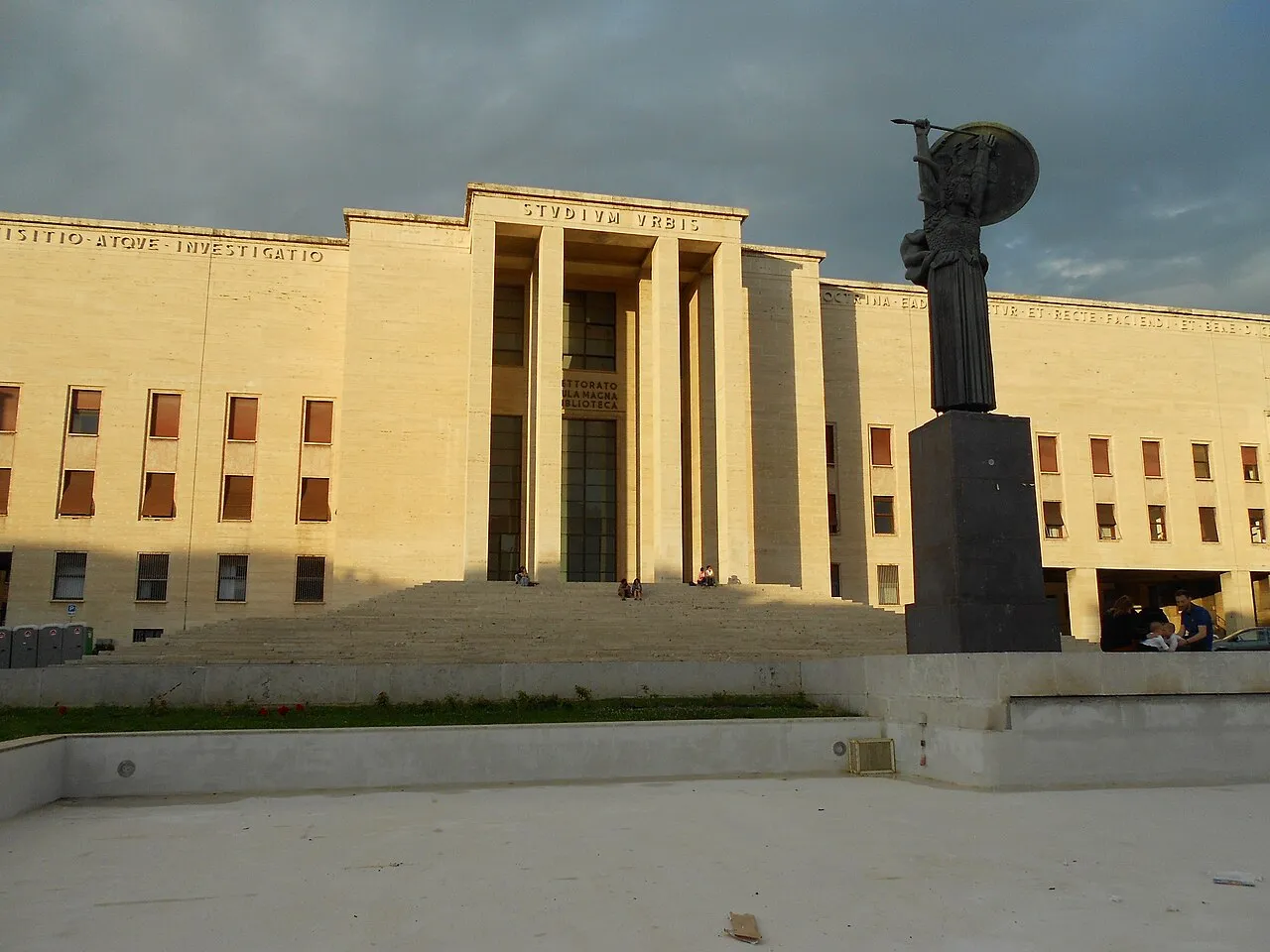
The work goes on at Sapienza University of Rome. Its project TRAVELS, running from 1 September 2025 to 31 August 2028 with Massimiliano Vassalli as fellow and Carlo Giovanni Cereti as supervisor, sets out to reconstruct the history of Iran's Zoroastrian community between 1773 and 1854. The project page says it will analyse 52 diaries from European literature on Iran's Zoroastrians, weigh them against Parsi records, and add interviews with today's Canadian and British Zoroastrian communities.
Frequently asked questions
Are there Zoroastrians in Italy?
Yes, but very few. CESNUR's encyclopaedia Le Religioni in Italia (2024 edition) describes "not many families" and names a Fondazione Zoroastriana and a Zarathustrian Association in Italy, both in Rome. No official count exists, and FEZANA's 2012 world survey gives Italy no line of its own.
Is there a fire temple or Dar-e-Mehr in Italy?
We found no record of one. In January 2008 Michele Moramarco wrote that Italy had no Zoroastrian places of worship and announced a plan for a simple Dar-e Mehr. No source we could open shows it was built, and CESNUR's 2024 listing gives only contact points, one of them a private home in Rome.
What did Marco Polo write about fire-worshippers?
In the Yule and Cordier translation, Marco Polo describes a Persian village called Cala Ataperistan, "The Castle of the Fire-worshippers", and links it to the story of three kings who carried gold, frankincense and myrrh to a newborn prophet. CESNUR notes that fire is the faith's central symbol and that Muslim polemic wrongly accused Zoroastrians of "adoring" it.
Who studies Zoroastrianism in Italy?
CESNUR's reading list names the Italian scholar Gherardo Gnoli, whose 1980 study was published in Naples. Today Sapienza University of Rome hosts TRAVELS (2025 to 2028), a project by Massimiliano Vassalli, supervised by Carlo Giovanni Cereti, that reconstructs Iranian Zoroastrian history from 1773 to 1854 using 52 diaries from European literature.
Is Mazdaznan the same as Zoroastrianism?
CESNUR files Mazdaznan, founded in California in 1917, under neo-Zoroastrianism and records that its authenticity as Zoroastrian teaching was disputed in Europe. It adds that such Western movements generally have little contact with ethnic Zoroastrians. CESNUR therefore lists it apart from the Parsi and Irani faith communities.


