PalV's Kasti

On this page
The Geh prayer comes third in the daily sequence. You do the Kusti, recite the Srosh Baj, and then say the prayer of the Geh you're in, before any Nyaish or Yasht. Ervad Ramiyar Karanjia's site puts it plainly: after the Kasti, "first the Sarosh Baj is recited", then the prayer of the specific Geh, "before doing any other prayers". A Parsi Times Gujarati column of 30 June 2018 gives the same sequence for every Geh.
The Geh gets named twice more along the way. A short dedication to the current Geh sits inside the Srosh Baj, and the same dedication comes back in the Fravarane paragraph of each Nyaish and Yasht you go on to recite.
શહેરેવર રોજ
Shehrevar Roj, Tir Mah · 1396 Y.Z.
What is the order of the daily prayers?
The sources we checked agree on the first three steps, and on the Geh prayer coming before everything else.

| Step | Prayer | What the source says |
|---|---|---|
| 1 | Kusti | The avesta.org Khordeh Avesta heads this prayer "Padyab-Kusti (ablution and formula for tying the kusti)" |
| 2 | Srosh Baj | Recited after the Kusti, according to Karanjia's site |
| 3 | The prayer of the current Geh | Karanjia's site: the larger Geh prayers "are to be recited after the Sarosh Baj" |
| 4 | Other prayers, such as the Nyaishes and Yashts | The Geh prayer comes "before doing any other prayers" (Karanjia's site) |
The Parsi Times column (PT Reporter, 30 June 2018) says the same thing in Gujarati. In each Geh, it says, you do the Kusti, then the Srosh Baj, and then the Geh.
Mobed Zarrir Bhandara's recordings of the daily obligatory prayers on avesta.org follow this order for the morning. Part 1 is listed as "Kusti, 101 names, Sarosh baj, and Havan geh prayers". So in that recorded set, the 101 Names sit between the Kusti and the Srosh Baj.
Older teaching follows the same shape. Jivanji Jamshedji Modi, in The Religious Ceremonies and Customs of the Parsees (Bombay, 1922), writes that a child handed to a priest at seven may be taught the Srosh Baj first, "then the Niyayeshes, and then the Yashts". That's the same relative order Karanjia's site gives for daily recitation.
Practice varies between families and Agiaries; your family priest's guidance comes first.
Where is the Geh named inside the Srosh Baj and the Nyaishes?
The Srosh Baj has a fixed slot for it. In the avesta.org edition of the Khordeh Avesta, which is based on Geldner's 1896 text, the profession of faith ("I profess myself a Mazda-worshipper") is followed by the instruction "(Here recite the appropriate Gah dedication.)" Only after that does the prayer go on to the praise of Sraosha.
The Gah dedication is a formula of a few lines, one for each of the five Gehs. A note in the same edition says "These five dedications are not recited independently". Which one you say depends on the time of day. So by the time you finish the Srosh Baj, you've already named the Geh once.
It comes back in every prayer after that. Karanjia's site describes "the short three line prayer" that is recited "within the Fravarane prayer in all Nyash and Yashts". A second article on the site says the short invocation to the Geh goes "in the Fravarāne paragraph" of every prayer. Only the dedication changes: the Havan dedication in Havan Geh, the Ushahin dedication in Ushahin Geh, and so on.
The full Geh prayer you say after the Srosh Baj is a separate and longer text. What each of the five contains is set out in the five Gah prayers in the Khordeh Avesta, and our Geh prayers page covers them as a set.
Practice varies between families and Agiaries; your family priest's guidance comes first.
Which Nyaish follows the Havan Geh prayer?
In the morning, the Khorshed and Meher Nyaishes. James Darmesteter, introducing the Nyaishes in The Zend-Avesta Part II (Sacred Books of the East, volume 23), lists the Havan Geh among the times the Sun Nyayis is said, "at the rising of the sun (Gâh Hâvan)". He adds that "The Mithra Nyâyis is recited with the Sun Nyâyis".
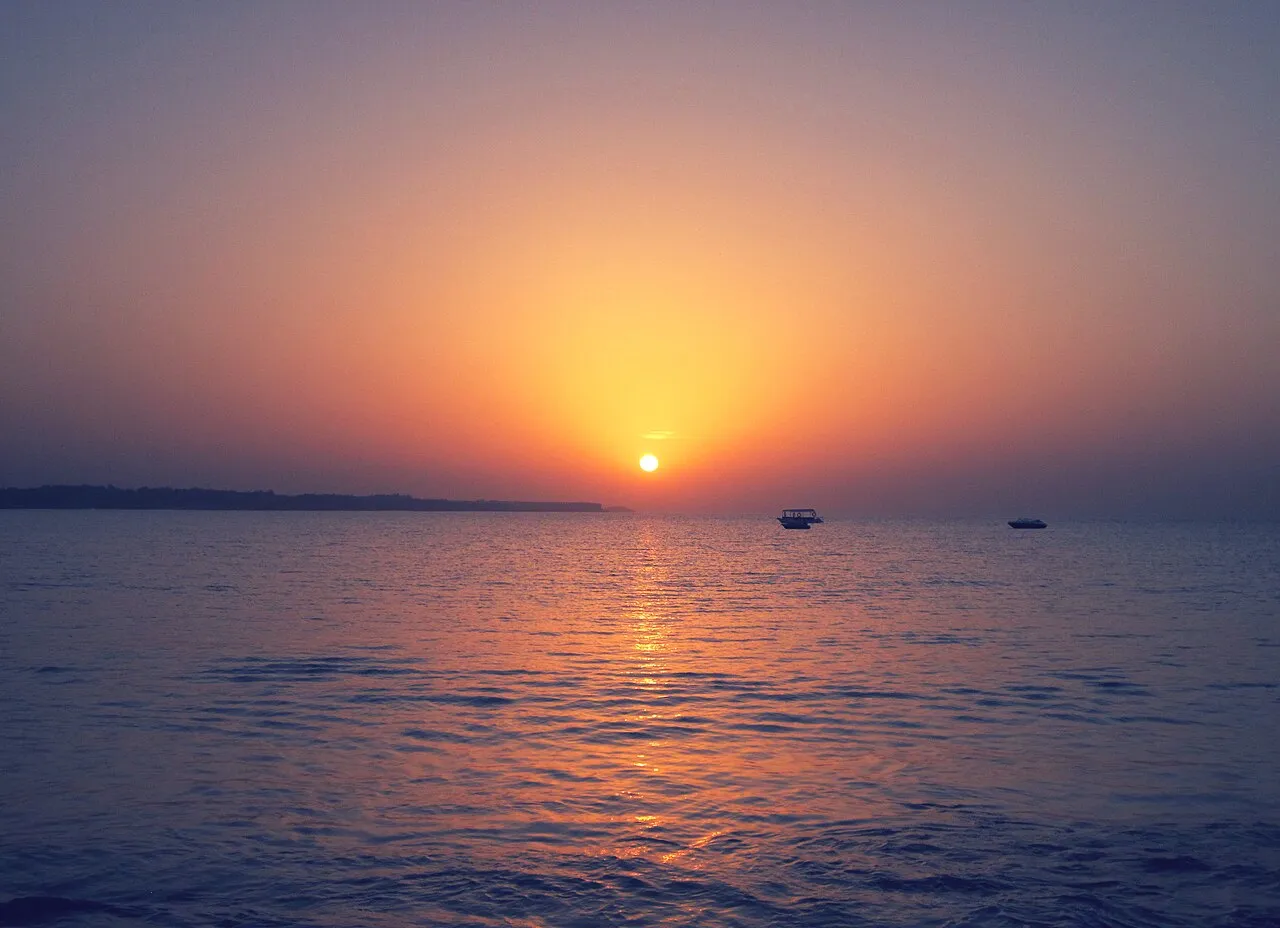
Mobed Bhandara's recordings agree. Part 2, which follows the Havan Geh prayer, begins with the Khorshed Niyayesh and Meher Niyayesh. So a full Havan Geh round in that recording runs like this:
- Kusti
- 101 Names
- Srosh Baj
- Havan Geh prayer
- Khorshed Niyayesh and Meher Niyayesh
- the closing prayers: Doa Nam Setayashne, then Char disa no Namaskar, Din no Kalmo and Tandarosti
We haven't found two sources that agree on which Nyaishes or Yashts follow the Geh prayer in the night Gehs, so we don't list them here.
Practice varies between families and Agiaries; your family priest's guidance comes first.
Is the order the same in every Geh?
Yes, in the sources we checked. The Parsi Times column describes the Kusti, Srosh Baj and Geh sequence as something done in each Geh, and Karanjia's site speaks of "the prayer dedicated to specific Geh" without singling out any one of the five. L. H. Mills's 1887 translation of the Gahs notes that each Geh prayer is said daily at its own hour: the Ushahin Gah, for instance, is "Recited every day at the hour of Ushahina".
Mary Boyce, writing on the word Gāh in the Encyclopaedia Iranica, says the obligatory prayers at each of the five times have "at their core" verses from the Gathas, naming Yasna 46.7 and part of Yasna 44.16. Why the day has five Gehs at all is a separate question, taken up in why the Zoroastrian day has five Gehs.
The order doesn't change, but the clock does. Karanjia's site gives Havan Geh as starting at sunrise "(whatever the time)", so the hour at which you begin each round shifts through the year. How the boundaries are worked out is explained in how Geh timings are calculated from sunrise and sunset. If a Geh changes while you're praying, see what to do when the Geh changes, and for when the Kusti itself is retied, Geh times for doing Kusti.
Practice varies between families and Agiaries; your family priest's guidance comes first.
For the names and spans of all five, start with our main page on the five Gehs.
Frequently asked questions
Do you say the Geh prayer before or after the Srosh Baj?
After. Ervad Ramiyar Karanjia's site gives the order as the Kusti first, then the Srosh Baj, then the prayer of the current Geh, before any other prayer. A Parsi Times Gujarati column of 30 June 2018 gives the same sequence, and Mobed Zarrir Bhandara's recordings on avesta.org place the Havan Geh after the Sarosh Baj.
Is the Geh named inside the Srosh Baj?
Yes. In the avesta.org edition of the Khordeh Avesta, the Srosh Baj carries the instruction to recite the appropriate Gah dedication right after its profession of faith. The short dedication for the current Geh is said there, and the Srosh Baj then continues with its praise of Sraosha. The full Geh prayer follows afterwards.
What comes after the Havan Geh prayer?
The Khorshed and Meher Nyaishes. Darmesteter, in Sacred Books of the East volume 23, lists sunrise in Havan Geh as a time for the Sun Nyayis and says the Mithra Nyayis is recited with it. Mobed Bhandara's recordings on avesta.org follow the Havan Geh with Khorshed and Meher Niyayesh, then the shorter closing prayers.
What is the short Geh prayer in the Fravarane?
It's the Gah dedication, a formula of a few lines naming the current Geh. Ervad Ramiyar Karanjia's site says this short prayer is recited within the Fravarane in all Nyaishes and Yashts. The avesta.org edition notes that the five dedications are never recited on their own, only where another prayer calls for them.
Is the Kusti done before every Geh prayer?
The sources describe the Kusti as the first step of the sequence in every Geh. A Parsi Times column of 30 June 2018 says that in each Geh you do the Kusti, then the Srosh Baj, and then the Geh. Ervad Ramiyar Karanjia's site likewise places the Srosh Baj and the Geh prayer after the Kusti.