PalV's Kasti
On this page
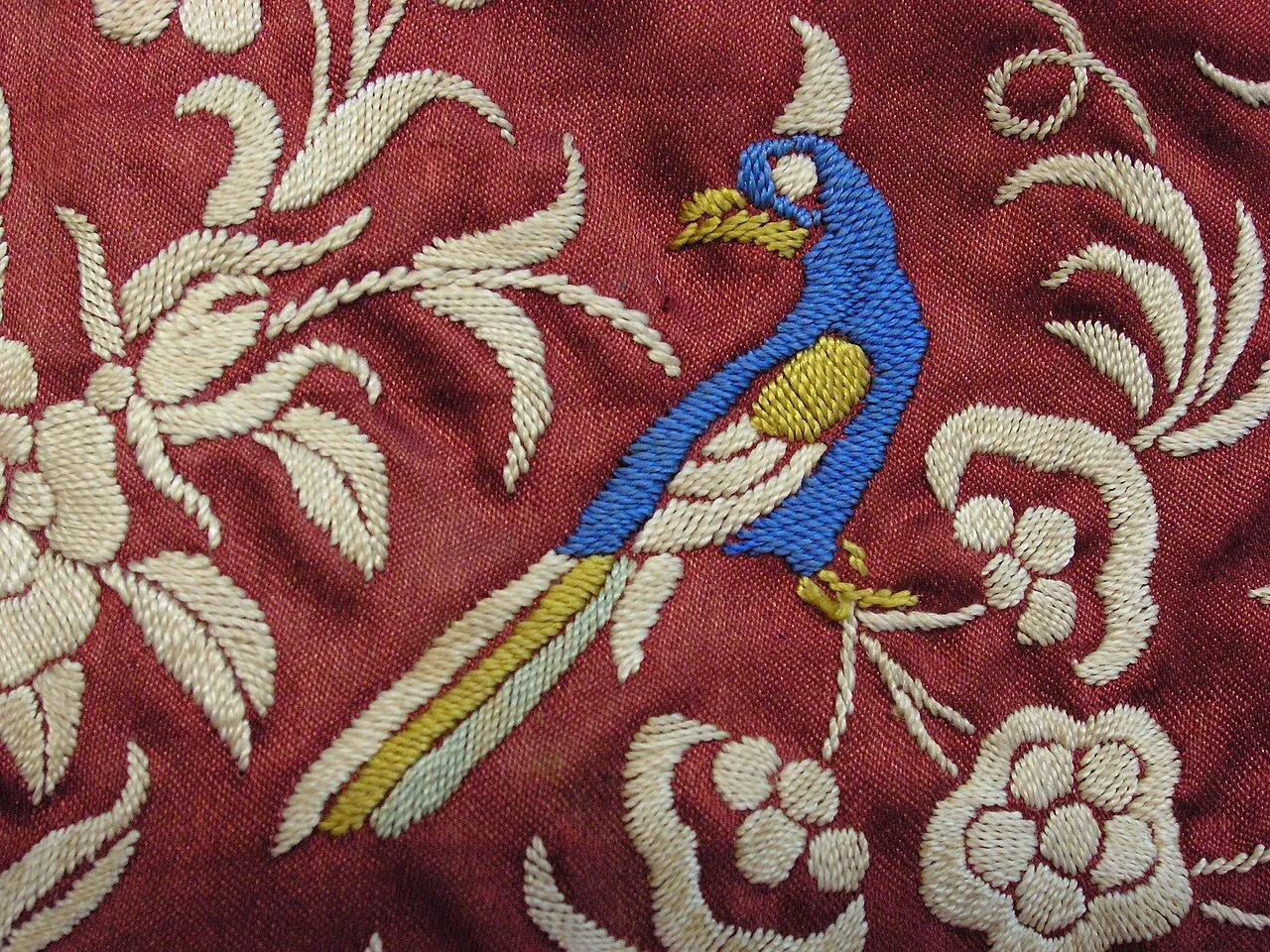
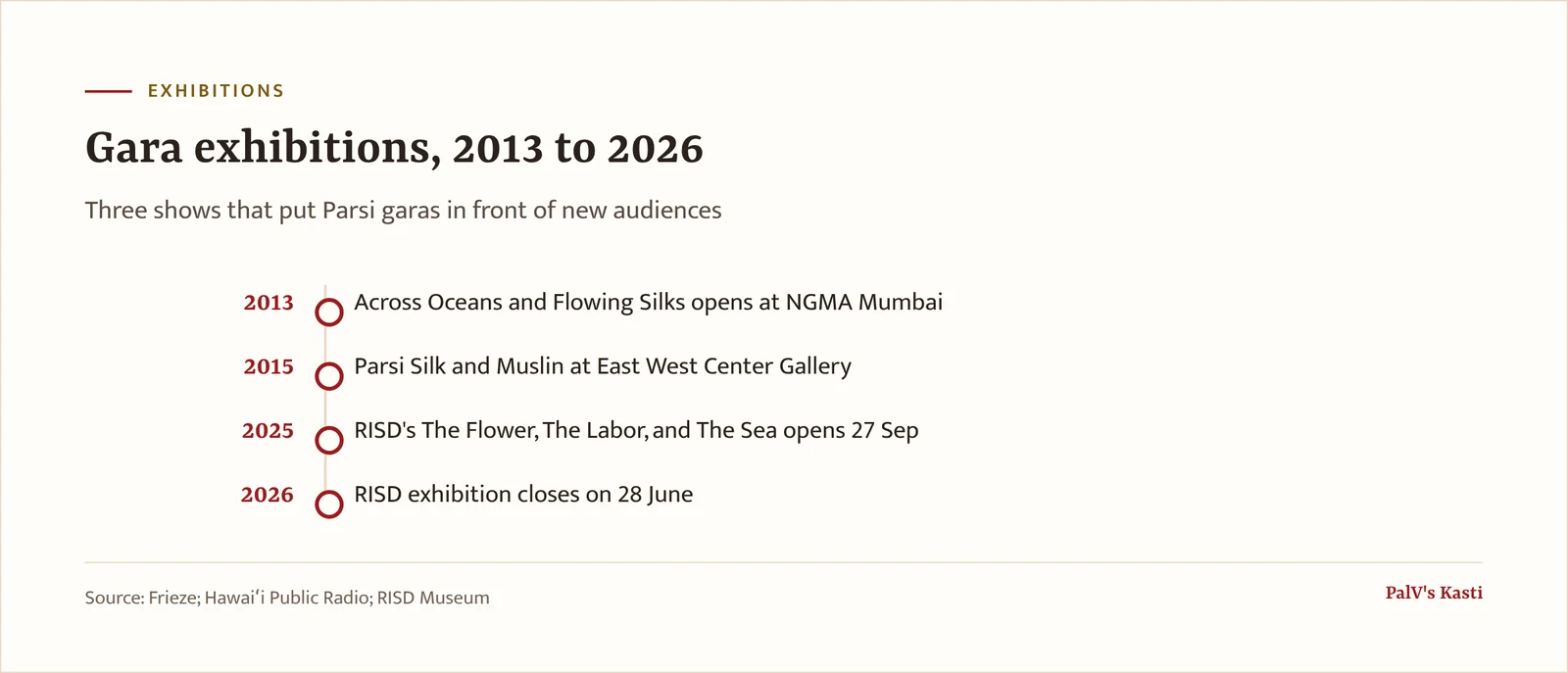
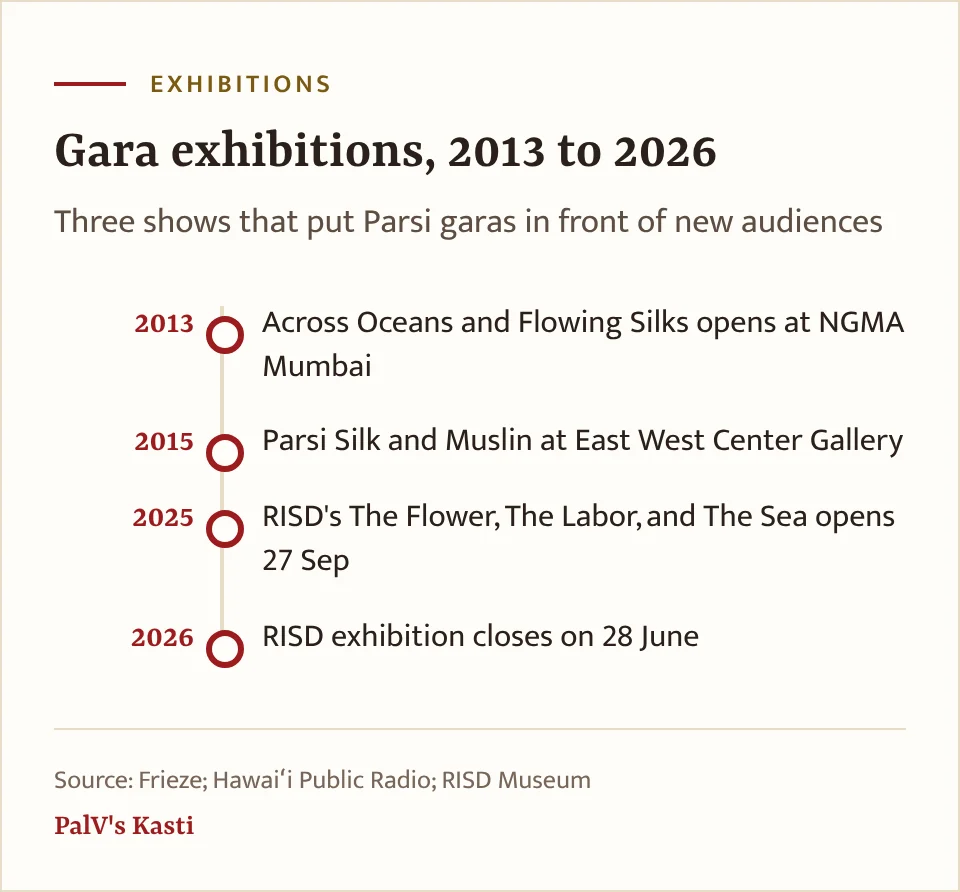
The Parsi gara has been a global textile from the start. Several garas now in museums were embroidered in China for the Parsi market, and the Penn Museum says its example was likely made in China or by Chinese embroiderers in Bombay. Today you'll find garas in the Victoria and Albert Museum (V&A) in London, in the Penn, RISD and Hearst museums in the United States, and at CSMVS in Mumbai. Exhibitions in Mumbai (opening at the end of 2013), at the East West Center Gallery (reported in December 2015) and at the RISD Museum (September 2025 to June 2026) have shown them to new audiences. The weak spot is the diaspora itself. We found no published study of how Parsis abroad wear garas today, and we'd rather say that than guess.
અસપંદામેદ રોજ
Asfandarmad Roj, Tir Mah · 1396 Y.Z.
Why is the Parsi gara called a global textile?
Because it crossed borders before it ever reached a Parsi wardrobe. The V&A describes its black silk gauze sari T.24-1967 as "an example of cross-cultural interchange". The sari was embroidered in China for Parsis, whom the museum calls "a much-dispersed group of people originating in present-day Iran", whose women adopted the sari after settling in Gujarat. Another V&A record, for an unfinished child's jubla of about 1880, notes that Chinese embroiderers also settled in Surat.
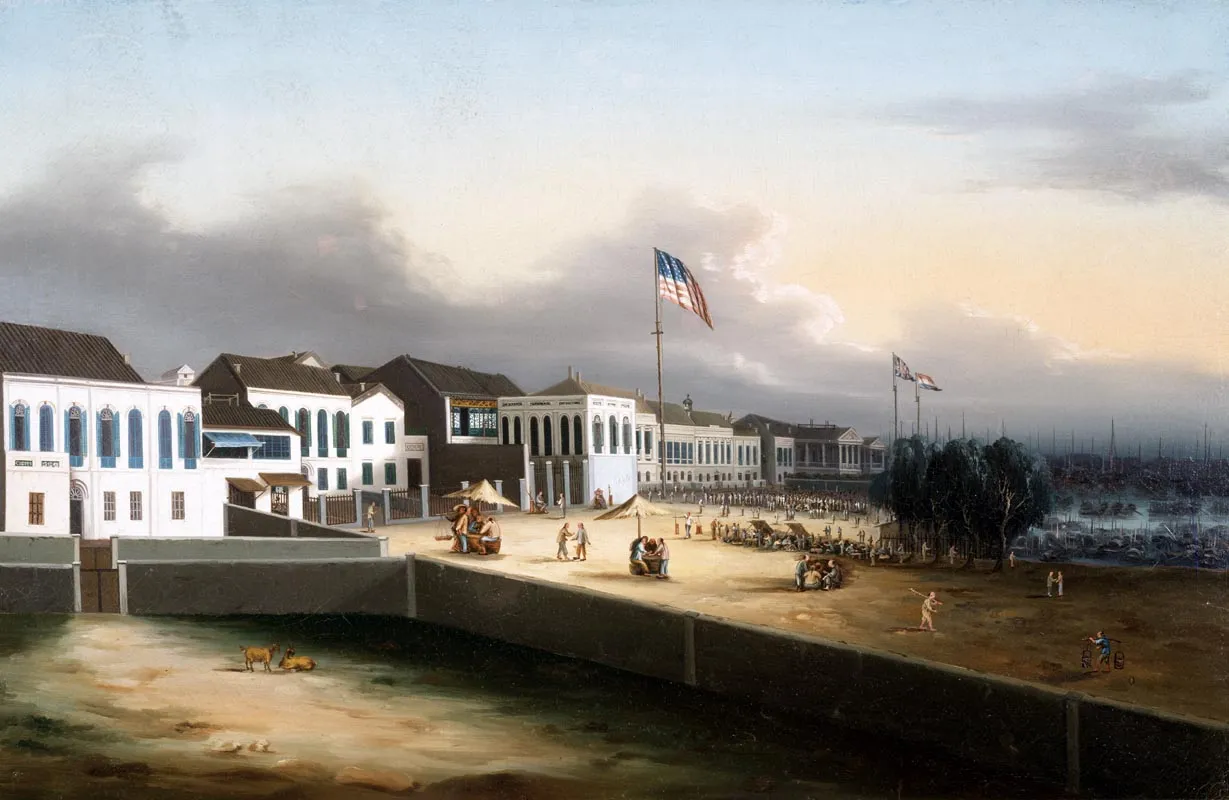
CSMVS tells the same story from the Indian side. Its catalogue says Parsi traders, who admired Chinese embroidery, bought embroidered silks for their families and ordered sari borders, saris, blouses and pantaloons. The word garo, which comes from the Gujarati word for a sari, came over time to mean the Chinese embroidered sari. The trading history itself is told in the Chinese roots of Parsi embroidery and the history of the Parsi gara.
Which museums hold Parsi garas?
These are the garas and gara pieces we could confirm in online museum catalogues. Each row comes from the museum's own record, which we reopened on 16 November 2026.
| Museum | Object | Made | Date | How it entered the collection |
|---|---|---|---|---|
| Victoria and Albert Museum (V&A), London | Sari, T.24-1967: black silk gauze, embroidered with silks | China | 1900 to 1950 | Given by Sir Harold E. Satow |
| V&A | Sari, T.271-1922: black silk gauze, birds and flowers | China, for the Indian Parsi community | Early 20th century | Bequeathed by Miss M. B. Hudson |
| V&A | Saris, a sari border, blouses and other clothing, IS.11-2004 to IS.31-2004 | Bombay, Gujarat, Hyderabad, China and London | Late 19th century to 1960s | The Feroza Jamsheed Marker collection of Parsi clothing |
| Penn Museum | Akho garo sari, A574: black mulberry silk gauze | Likely China, or Chinese embroiderers in Bombay | Late 19th to early 20th century | Purchased from F. P. Bhumgara & Company, 1904 |
| RISD Museum, Providence | Akho garo sari, 55.286 | China (geographic reference: Surat) | About 1875 to 1900 | Bequest of Miss Lucy T. Aldrich |
| Hearst Museum | Fragment from the lower edge of a sari: red silk damask, white embroidery | China, for Parsi customers in India | Not stated | Not stated |
| CSMVS, Mumbai | Akho garo (fully embroidered) sari | Surat, Gujarat (catalogue location) | 20th century | Gift of Manek Khabardar |
Three records carry a story. The Penn Museum bought its sari from F. P. Bhumgara & Company in 1904. The RISD Museum says a wealthy Parsee woman would have worn its sari, "possibly for her wedding". And CSMVS records that its sari belonged to the family of the poet Ardeshir Khabardaar.
What is in the V&A's Feroza Jamsheed Marker collection?
When we searched the V&A's online catalogue on 16 November 2026, it returned 22 objects credited to "The Feroza Jamsheed Marker collection of Parsi clothing". They include an early 20th-century length of purple silk with cream flowers, probably made in China for Parsi use, a Bombay-made purple chiffon sari of about the 1930s with a petit point border of birds, and two silk saris catalogued as made in London in the 1960s. The London pieces are printed or shaded silk, not embroidered garas.
One record shows a family reusing a sari border. The red silk border IS.29-2004 was cut from a Parsi sari, and its owner used part of it to make the pallu of another sari, IS.28-2004. We cover re-use and restoration in the gara as a family heirloom.
Can you see these garas in person?
At the V&A, yes, but not on open display. The online records for T.24-1967 and the Marker collection sari IS.28-2004 are marked "View by appointment", through the museum's Order an Object service. For the other museums, check the object record before you travel. We haven't confirmed whether those pieces are on show.
Which exhibitions have shown Parsi garas to new audiences?
| Exhibition | Venue | When | Curators |
|---|---|---|---|
| Across Oceans and Flowing Silks (subtitled From Canton to Bombay) | National Gallery of Modern Art (NGMA), Mumbai | Opened as 2013 was closing | Pheroza J. Godrej and Firoza Punthakey Mistree |
| Parsi Silk and Muslin from Iran, India and China | East West Center Gallery | Reported on 1 December 2015, running through 24 January | Firoza Punthakey Mistree and Pheroza Godrej |
| The Flower, The Labor, and The Sea | RISD Museum, Providence | 27 September 2025 to 28 June 2026 | Guest curator Bhasha Chakrabarti with Kate Irvin |
Across Oceans and Flowing Silks, Mumbai
Writing in Frieze in March 2014, Shanay Jhaveri reported that the show took up most of the NGMA and was organised to coincide with the 10th World Zoroastrian Congress. Earlier, in April 2013, FEZANA had announced that congress for 27 to 30 December 2013 in Mumbai. Its notice described a planned NGMA exhibition, "From Canton to Mumbai – The Story of Parsi Textiles", that would show gara saris and the 19th-century Canton where Parsi merchants bought garas. The two titles may describe one exhibition. Neither source says so.
Parsi Silk and Muslin, East West Center Gallery
Hawaiʻi Public Radio's Noe Tanigawa reported that the pieces in this show were each about 200 years old. Her report also said that garas embroidered in China are family heirlooms today, while contemporary garas, mostly made in India, are still worn on special occasions. Open magazine reported in February 2025 that designer Ashdeen Lilaowala made woven garas with a Banarasi handloom label in 2016, a story we cover in woven garas.
The Flower, The Labor, and The Sea, RISD Museum
This exhibition set historical textiles "made by Chinese artisans for the Parsi market" against the opium trade, and its text argued that "painful histories of exploitation are hidden within their folds". At its centre was a new embroidered sari the museum commissioned from Bhasha Chakrabarti, made with designer Ashdeen Lilaowala. Chakrabarti told Harper's Bazaar India in January 2026 that she knew once the sari entered the museum "it would never be worn again". That reading of gara history belongs to the curators, and we report it as theirs.
Are Parsi garas worn abroad today?
The published record is thin. The clearest recent public moment came at the Met Gala. Ashdeen Lilaowala wrote in Harper's Bazaar India in June 2025 that Natasha Poonawalla had worn a custom Manish Malhotra ensemble, made from two vintage gara saris, at the "recently concluded Met Gala".
Beyond that, the V&A's Marker collection shows one family's Parsi wardrobe running from early 20th-century Bombay and China to 1960s London. Its records don't say who wore the pieces or where. For how garas fitted into Parsi dress over two centuries, read gara saris and Parsi women's fashion in the 19th and 20th centuries. If your family keeps garas abroad, see our guides to caring for and storing a gara and to the Parsi gara saree, and our wider look at Parsi embroidery.
Frequently asked questions
Which museums have Parsi garas in their collections?
Online catalogues confirm Parsi garas at the Victoria and Albert Museum in London, including the Feroza Jamsheed Marker collection of Parsi clothing, and at the Penn, RISD and Hearst museums in the United States. CSMVS in Mumbai holds a fully embroidered akho garo sari catalogued to Surat, given by Manek Khabardar.
Where can I see a Parsi gara in London?
The Victoria and Albert Museum holds several. Its online records for the Chinese-made black gauze sari T.24-1967 and for Marker collection sari IS.28-2004 are marked "View by appointment", so you book them through the V&A's Order an Object service rather than finding them in a gallery.
Were Parsi garas made in China?
Several museum examples were. The V&A records two black silk gauze saris made in China for the Parsi community in the first half of the 20th century. The Penn Museum says its akho garo was likely made in China or by Chinese embroiderers in Bombay, and the V&A notes that Chinese embroiderers also settled in Surat.
What was the Across Oceans and Flowing Silks exhibition?
It was a show of Parsi textiles, furniture and artefacts tracing the community's trade links with China, held at the National Gallery of Modern Art in Mumbai. Frieze reported that it opened at the end of 2013, curated by Pheroza J. Godrej and Firoza Punthakey Mistree, to coincide with the 10th World Zoroastrian Congress.
Has there been a Parsi gara exhibition in the US?
Yes. The RISD Museum in Providence held The Flower, The Labor, and The Sea from 27 September 2025 to 28 June 2026. It showed historical textiles made by Chinese artisans for the Parsi market, alongside a new embroidered sari by Bhasha Chakrabarti made with designer Ashdeen Lilaowala.