PalV's Kasti
On this page
- What does Parsi gara embroidery usually show?
- What do the gara motifs mean?
- Which gara motifs come from Zoroastrian or Persian tradition?
- What are cheena cheeni, kanda papeta and the other Gujarati motif name…
- How did motifs differ between Chinese-made and Gujarat-made garas?
- How are the motifs arranged on a gara?
- Where do these motifs appear besides the gara?
- Frequently asked questions
Parsi gara embroidery is the Chinese-style needlework on the gara, the sari that the CSMVS museum in Mumbai describes as "an identity for Parsi women". Its motifs come mostly from nature: peonies, chrysanthemums, cranes, peacocks, butterflies, fish and the "divine fungus", along with pagodas, boats and small scenes of Chinese life. Twelve of the motifs our sources name have a recorded meaning, most of them from Chinese symbolism. CSMVS records that the peony and magnolia signify spring, fungus and bamboo longevity, deer and crane long life, and butterflies happiness. A few motifs point back to Persia and to the Zoroastrian faith, most clearly the rooster, which the Parzor Foundation links to Sarosh. Below we go motif by motif and name the source for every meaning, because not every motif has one on record.
અસપંદામેદ રોજ
Asfandarmad Roj, Tir Mah · 1396 Y.Z.
What does Parsi gara embroidery usually show?
Nature dominates the motif lists in every source we read. In her 2009 paper for the journal Global InCH, Shivaa Rawat lists the flowers as lily, lotus, chrysanthemum and peony, and the birds as cranes, peacocks, swans and pheasants. Writing in Harper's Bazaar India in June 2025, designer Ashdeen Lilaowala adds roses to the flowers. Among the creatures he names butterflies, birds of paradise, cranes, phoenixes and peacocks, along with fish, bats, dragons and the divine fungus.
Human and architectural scenes appear too. Rawat mentions "Pagodas, boats, Chinese architectural structures, human figures and scenes". The Textile Research Centre (TRC) in Leiden says many Chinese-made Parsi saris carry flowers, leaves, birds, animals, people in Chinese dress and bridges spanning water.
| Motif group | Examples named by our sources | Sources |
|---|---|---|
| Flowers and plants | Peony, chrysanthemum, lotus, lily, rose, magnolia, bamboo | CSMVS, Rawat, Lilaowala |
| Birds | Crane, peacock, pheasant, swan, bird of paradise, phoenix, rooster | Rawat, Lilaowala, Parzor |
| Other creatures | Butterfly, fish, bat, deer, dragon | CSMVS, Lilaowala |
| Chinese scenes | Pagodas, boats, bridges over water, Chinese figures | Rawat, TRC |
| Symbols | The divine fungus, Chinese baskets, the endless knot | Parzor, Rawat |
What do the gara motifs mean?
CSMVS calls the gara's design and motifs "essentially Chinese". These are the meanings our sources actually state, and who states them:
| Motif | Meaning given | Source |
|---|---|---|
| Peony and magnolia | Spring | CSMVS |
| Fungus and bamboo | Longevity | CSMVS |
| Deer and crane | Long life | CSMVS |
| Butterflies | Happiness | CSMVS |
| Chrysanthemum | Joy, and the spring season | Shivaa Rawat, Global InCH |
| Trees and vegetation | The seasons | Shivaa Rawat, Global InCH |
| Divine fungus | Longevity and immortality; protection, especially for children | Shivaa Rawat, Global InCH |
| Divine fungus | Protection from the evil eye, in Chinese mythology | Parzor, Google Arts & Culture |
| Chinese baskets | Plenty | Parzor, Google Arts & Culture |
| Fish (ariz) | Fertility, said of a Zoroastrian bridal shawl from Iran | Parzor, Google Arts & Culture |
| Rooster | Sarosh | Parzor Foundation |
The divine fungus is the one motif where sources lean different ways. Rawat reads it first as a symbol of longevity and immortality that protects children. Parzor's Google Arts & Culture exhibit says it "symbolizes protection from the Evil Eye" in Chinese mythology. The two readings sit side by side. Neither source rules out the other.
Taken as a group, Parzor's exhibit calls the flowers, birds and animals of Parsi embroidery "emblems of power, purity and protection". Lilaowala uses almost the same phrase for the gara, calling them "emblems of power and protection".
Which gara motifs come from Zoroastrian or Persian tradition?
The rooster is the clearest Zoroastrian motif. Parzor's site names "the Rooster, symbolizing Sarosha" among the motifs of Parsi embroidery. Its Google Arts & Culture exhibit links the rooster's morning crow to the slaying of the demon of darkness and to Yazata Sarosh, and says this made it a favoured motif on children's clothing. The same exhibit shows a red child's jhabla that pairs "the Rooster from the Zoroastrian tradition" with the Chinese divine fungus.
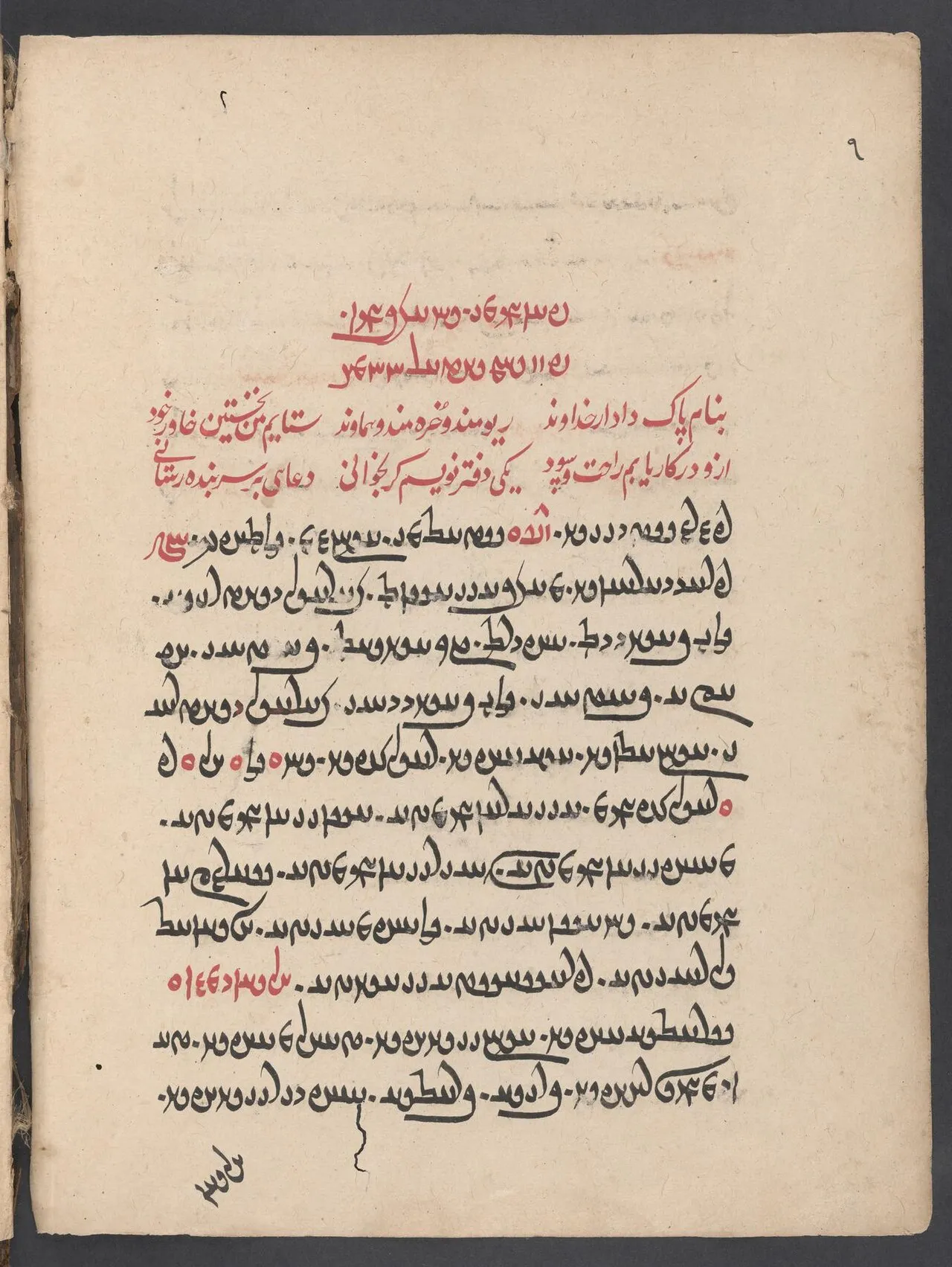
The link between the cock and Sarosh goes back to scripture. In the Vendidad, Fargard 18, verse 14 asks "Who is the Sraosha-varez of Sraosha?" In verse 15, Ahura Mazda answers that it is "the bird named Parodarsh", which "ill-speaking people call Kahrkatas". James Darmesteter's footnote, in his translation for the Sacred Books of the East (hosted on avesta.org), glosses Parodarsh as "He who foreshows the coming dawn; the cock." Lilaowala lists "marga marghi", the rooster and hen, among the named gara motifs.
Practice varies between families and Agiaries; your family priest's guidance comes first.
Parzor traces two more Persian threads. It says the Sassanian "Circlet of Pearls" travelled from Zoroastrian Persia to China and came back to the Parsis on their garas. And on an engagement gara made in Surat, its exhibit points to "Indian peacocks" alongside "Persian trellis and flowers" and "the Chinese Endless Knot". The wider story of how Persian, Indian, Chinese and European elements met on Parsi embroidery is in our article on Parsi embroidery as an intercultural mix.
European touches are motifs too. Parzor names "the Swiss roses and bows in garas, jhablas and kors", and its exhibit describes "scallops, bows and ribbons" that brought four cultures together in the Parsi sari.
What are cheena cheeni, kanda papeta and the other Gujarati motif names?
Four gara motifs go by Gujarati names, which Ashdeen Lilaowala records in Harper's Bazaar India:
- Cheena cheeni: a Chinese man and woman.
- Kanda papeta: onions and potatoes, used for polka dots.
- Karolia: spider motifs.
- Marga marghi: rooster and hen motifs.
These are names, not meanings. Lilaowala doesn't attach a symbolic reading to any of them, and we haven't found a source that does.
How did motifs differ between Chinese-made and Gujarat-made garas?
Museum records show a difference in drawing style. The Penn Museum's fully embroidered gara (object A574, bought from F. P. Bhumgara & Company in 1904) has naturalistic flower sprigs that, its record says, draw on Chinese embroidery. That sets them apart from "the more regularized repeats" of bird-and-flower borders on embroideries made in Gujarat for domestic markets. The museum identifies it as a sari for the Parsi market, likely made in China or by Chinese embroiderers in Bombay.
Garas were embroidered in Gujarat too. CSMVS holds a 20th-century akho garo whose record gives its location as Surat, Gujarat. It belonged to the family of the poet Ardeshir Khabardaar.
The earliest pieces looked different again. Parzor says the first Chinese-embroidered pieces were worked on satin, had no borders or pallavs, and looked like yardage "often carrying Taoist and Buddhist" symbolism. For how the border developed into a separate design element, see our article on the kor border.
How are the motifs arranged on a gara?
The two museum garas we looked at both pair an all-over field pattern with a denser border. The V&A's black silk gauze sari (T.24-1967), made in China between 1900 and 1950, has a centre "covered with rows of floral rosettes" and a border down both long sides with "a densely worked design of birds and flowers". The Penn Museum's akho garo sets four floral motifs inside each diamond of a diagonal grid, with peacocks or other long-tailed birds among dense flowers on the border.
Birds are drawn to look alive. Lilaowala writes that "the rendering needs to be realistic", right down to "the patina of the eye" and the movement of the feathers.
Scale is where modern work departs. Talking about his own crane designs to Open magazine in February 2025, Lilaowala said: "Garas have cranes." But, he added, "never only cranes, or such large cranes as we do." Who makes garas today is covered in Parsi gara work today.
Where do these motifs appear besides the gara?
Gara motifs turn up on children's jhablas too, as Parzor's red jhabla with the rooster and divine fungus shows. See Parsi jhablas and ijars, and for the wider craft, our overview of Parsi embroidery.
For the stitches used to make these motifs, read how Parsi embroidery is done. For when and how the motifs reached the Parsis, see the history of the Parsi gara. For what a gara is and why it costs what it does, start with our guide to the Parsi gara saree.
Frequently asked questions
What is Parsi gara embroidery called?
It is called gara or garo embroidery. The CSMVS museum explains that "garo" comes from the Gujarati word for a sari and, over time, came to mean the Chinese embroidered sari worn by Parsi women. A sari embroidered all over is an "akho garo", the term CSMVS and the Penn Museum both use in their catalogue records.
Which Indian state is Parsi gara embroidery from?
Gara embroidery did not begin in one Indian state. CSMVS records that by the early 19th century prominent Parsis traded with China and that the gara's designs are essentially Chinese. Garas were later embroidered in India too: CSMVS holds an akho garo from Surat, Gujarat, and Parzor shows a gara "Made in Surat".
What does the crane mean on a Parsi gara?
The CSMVS museum in Mumbai records that on the gara "deer and crane symbolize long life". Cranes are named in the CSMVS, Global InCH and Harper's Bazaar India motif lists. Designer Ashdeen Lilaowala told Open magazine that garas do have cranes, though never "such large cranes as we do."
What is the divine fungus motif?
The divine fungus is a Chinese symbol found on garas and on children's jhablas. Shivaa Rawat's Global InCH paper calls it "a symbol of longevity and immortality" that protects children. Parzor's Google Arts & Culture exhibit says that in Chinese mythology it symbolises protection from the evil eye. Both readings appear in our sources.
Is the rooster on Parsi embroidery a religious symbol?
Parzor says the rooster on Parsi textiles symbolises Sarosh and links its morning crow to the slaying of the demon of darkness. The Vendidad (Fargard 18) names the cock as the bird of Sraosha, glossed by its translator as the bird that foretells the dawn. Parzor shows a red child's jhabla pairing the rooster with the Chinese divine fungus.
Does every gara motif have a meaning?
No source we read gives a meaning for every motif. Museum and research records explain the peony, magnolia, crane, deer, butterfly, bamboo, chrysanthemum, fungus, baskets, fish and rooster. Other motifs, such as pagodas, boats, cheena cheeni figures and kanda papeta dots, are named and described but not given a symbolic meaning.